

Vivo appears to be lining up a busier-than-usual second half for its camera lineup: a next-generation X series now expected in Q3, plus a compact self-recording device that sounds a lot like a pocket vlogging camera. The company is also weighing telephoto extender support for more phones, which could make its add-on ecosystem less of a one-off stunt and more of a pattern.
The timing matters. Smartphone makers have spent years trying to turn rear cameras into credible creator tools, but vloggers still reach for action cameras and handheld rigs when they want smooth footage of themselves. Vivo’s answer seems to be a pocket-style device with built-in stabilisation, aimed at making solo shooting less awkward and less dependent on extra hardware.
Vivo X500 series expected in Q3
The next X series is tentatively called the Vivo X500 series, and it is now expected to launch in Q3. That puts it earlier than the X300 series, which was announced in October last year. If Vivo keeps to the current chatter, both the new flagship range and the first vlogging camera could arrive around September in China.
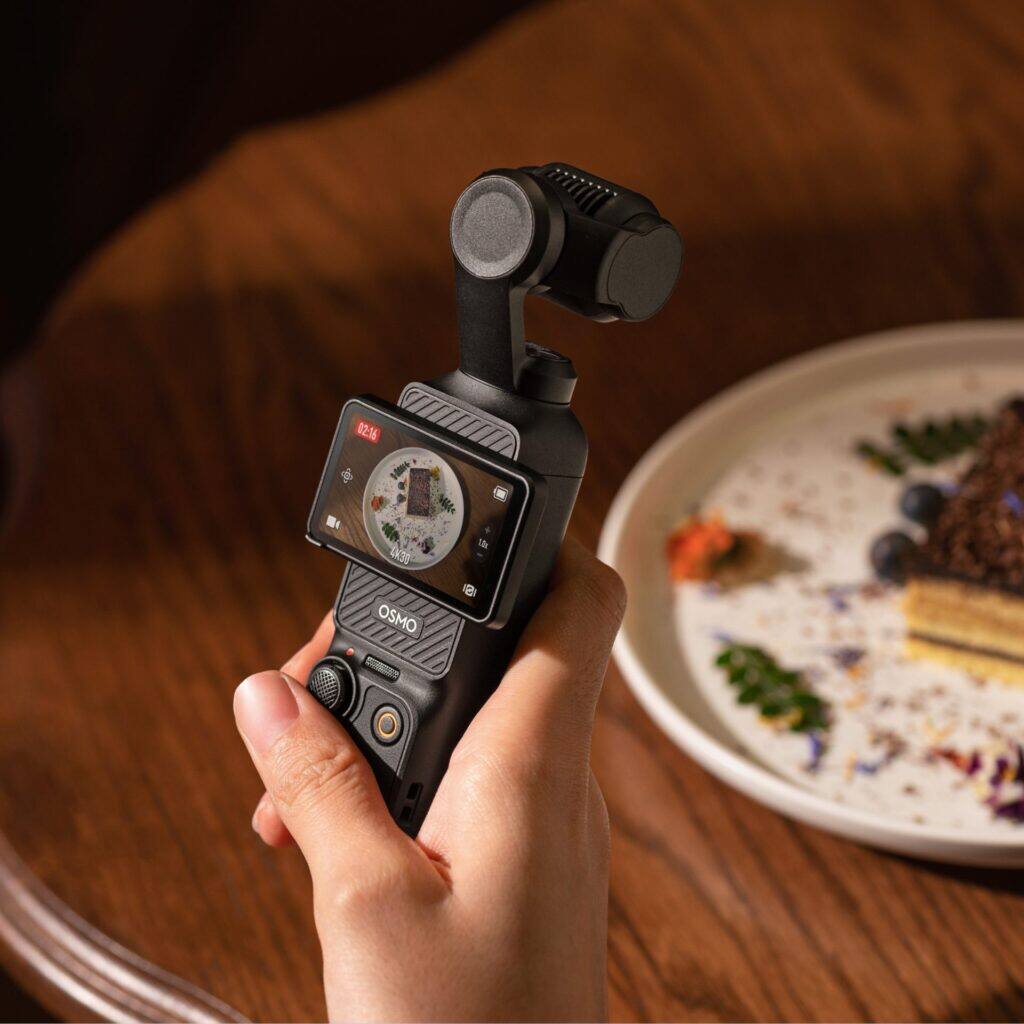
That would put Vivo in the same conversation as DJI, which is launching the Osmo Pocket 4 globally this week. A direct comparison is inevitable, because both products are chasing the same impatient creator: someone who wants quick setup, steady footage, and fewer excuses.
What Vivo’s vlogging camera is trying to fix
Vivo’s pitch is straightforward. Rear cameras can already handle strong video, but people filming vlogs or live content often want a dedicated device rather than a phone balanced on a desk or an accessory-heavy rig. The rumored camera is said to be compact, pocket-friendly, and built with stabilisation, which is exactly the sort of spec sheet that sounds boring until you actually try filming yourself for 20 minutes.
- Form factor: compact, pocket-style device
- Feature: built-in stabilisation
- Purpose: self-recording and creator video
Telephoto extender support may spread beyond the X series
Vivo is also testing how far its external telephoto extender idea can go. Right now, accessories such as the G2 and G2 Ultra are used with the Vivo X300 Ultra to help with long-distance shots, especially in places like concerts or stadiums where digital zoom usually gives up first. The company’s real goal seems less about gimmicks and more about making reach usable without turning the phone into a science project.
That ecosystem could broaden to the youth-focused S series, with the S60 lineup looking like the likely candidate. But Vivo has not waved this through as a done deal; Huang Tao said the company wants consistent image quality before it commits, which is sensible because nobody wants a fancy extender that turns good optics into expensive mush.
The S60 series is expected in May or June in China. If Vivo does bring extender support to a cheaper line, that would be a meaningful shift: camera accessories stop being a flagship party trick and start looking like a product strategy. The question is whether enough buyers care about external lenses to justify the extra complexity, or whether Vivo keeps it limited to the enthusiasts who already treat their phones like a camera bag.