

AI pose suggestions join the camera pitch
The other new trick is less about hardware and more about nudging users into better habits. Huawei says the Pura 90 series will include AI posture recommendations that suggest alternative poses if you keep falling back on the same one. Smartphone photography has been drifting toward this kind of guidance for years, and Huawei is leaning into it hard: the phone is not just taking pictures, it is low-key directing them.
That approach also helps explain the broader strategy. Apple, Samsung, and others have spent years improving computational photography; Huawei is trying to make the camera feel more intelligent without making the user work harder. If it lands well, it could make the phone more appealing to people who want better shots but do not care about manual controls, which is most people after the second attempt.
Kirin 9030 Pro and HarmonyOS 6.1
On the hardware side, the Pura 90 Pro Max is expected to run on the Kirin 9030 Pro chip and may ship with HarmonyOS 6.1. Huawei has not laid out the full performance story yet, but the timing suggests it wants the camera hardware to arrive alongside a fresh software stack rather than as a lone headline feature.
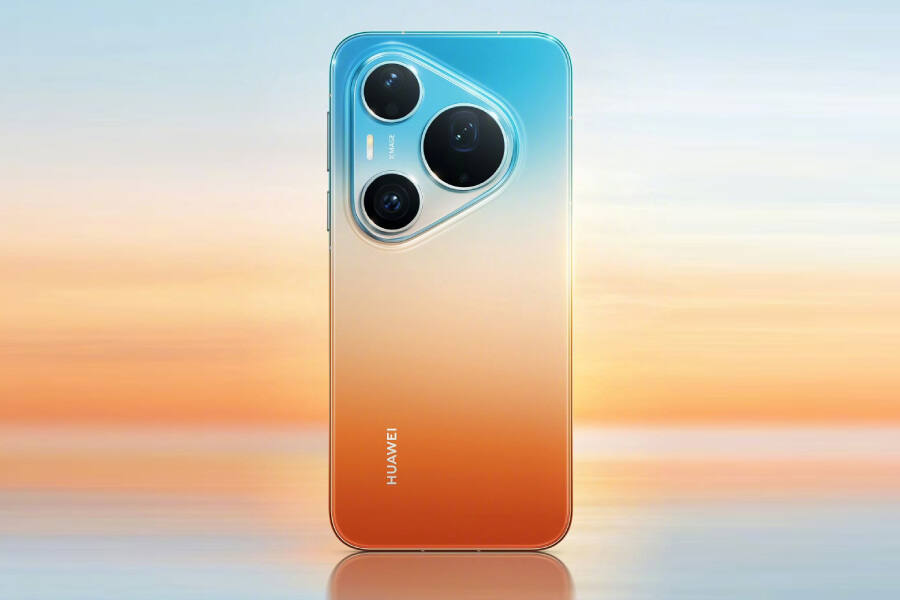
The phone is expected in Obsidian Black, Dawn Gold, Purple Sunset, Orange Ocean, and Emerald Lake. All finishes except Obsidian Black and Dawn Gold will have a gradient look, while storage options should include 12GB/256GB, 12GB/512GB, 16GB/512GB, and 16GB/1TB. The open question is whether Huawei’s zoom-and-AI combo is enough to stand out in a year when rival flagships are also leaning hard on camera tricks and long telephoto reach.
AI pose suggestions join the camera pitch
The other new trick is less about hardware and more about nudging users into better habits. Huawei says the Pura 90 series will include AI posture recommendations that suggest alternative poses if you keep falling back on the same one. Smartphone photography has been drifting toward this kind of guidance for years, and Huawei is leaning into it hard: the phone is not just taking pictures, it is low-key directing them.
That approach also helps explain the broader strategy. Apple, Samsung, and others have spent years improving computational photography; Huawei is trying to make the camera feel more intelligent without making the user work harder. If it lands well, it could make the phone more appealing to people who want better shots but do not care about manual controls, which is most people after the second attempt.
Kirin 9030 Pro and HarmonyOS 6.1
On the hardware side, the Pura 90 Pro Max is expected to run on the Kirin 9030 Pro chip and may ship with HarmonyOS 6.1. Huawei has not laid out the full performance story yet, but the timing suggests it wants the camera hardware to arrive alongside a fresh software stack rather than as a lone headline feature.
The phone is expected in Obsidian Black, Dawn Gold, Purple Sunset, Orange Ocean, and Emerald Lake. All finishes except Obsidian Black and Dawn Gold will have a gradient look, while storage options should include 12GB/256GB, 12GB/512GB, 16GB/512GB, and 16GB/1TB. The open question is whether Huawei’s zoom-and-AI combo is enough to stand out in a year when rival flagships are also leaning hard on camera tricks and long telephoto reach.
AI pose suggestions join the camera pitch
The other new trick is less about hardware and more about nudging users into better habits. Huawei says the Pura 90 series will include AI posture recommendations that suggest alternative poses if you keep falling back on the same one. Smartphone photography has been drifting toward this kind of guidance for years, and Huawei is leaning into it hard: the phone is not just taking pictures, it is low-key directing them.
That approach also helps explain the broader strategy. Apple, Samsung, and others have spent years improving computational photography; Huawei is trying to make the camera feel more intelligent without making the user work harder. If it lands well, it could make the phone more appealing to people who want better shots but do not care about manual controls, which is most people after the second attempt.
Kirin 9030 Pro and HarmonyOS 6.1
On the hardware side, the Pura 90 Pro Max is expected to run on the Kirin 9030 Pro chip and may ship with HarmonyOS 6.1. Huawei has not laid out the full performance story yet, but the timing suggests it wants the camera hardware to arrive alongside a fresh software stack rather than as a lone headline feature.
The phone is expected in Obsidian Black, Dawn Gold, Purple Sunset, Orange Ocean, and Emerald Lake. All finishes except Obsidian Black and Dawn Gold will have a gradient look, while storage options should include 12GB/256GB, 12GB/512GB, 16GB/512GB, and 16GB/1TB. The open question is whether Huawei’s zoom-and-AI combo is enough to stand out in a year when rival flagships are also leaning hard on camera tricks and long telephoto reach.
AI pose suggestions join the camera pitch
The other new trick is less about hardware and more about nudging users into better habits. Huawei says the Pura 90 series will include AI posture recommendations that suggest alternative poses if you keep falling back on the same one. Smartphone photography has been drifting toward this kind of guidance for years, and Huawei is leaning into it hard: the phone is not just taking pictures, it is low-key directing them.
That approach also helps explain the broader strategy. Apple, Samsung, and others have spent years improving computational photography; Huawei is trying to make the camera feel more intelligent without making the user work harder. If it lands well, it could make the phone more appealing to people who want better shots but do not care about manual controls, which is most people after the second attempt.
Kirin 9030 Pro and HarmonyOS 6.1
On the hardware side, the Pura 90 Pro Max is expected to run on the Kirin 9030 Pro chip and may ship with HarmonyOS 6.1. Huawei has not laid out the full performance story yet, but the timing suggests it wants the camera hardware to arrive alongside a fresh software stack rather than as a lone headline feature.
The phone is expected in Obsidian Black, Dawn Gold, Purple Sunset, Orange Ocean, and Emerald Lake. All finishes except Obsidian Black and Dawn Gold will have a gradient look, while storage options should include 12GB/256GB, 12GB/512GB, 16GB/512GB, and 16GB/1TB. The open question is whether Huawei’s zoom-and-AI combo is enough to stand out in a year when rival flagships are also leaning hard on camera tricks and long telephoto reach.
AI pose suggestions join the camera pitch
The other new trick is less about hardware and more about nudging users into better habits. Huawei says the Pura 90 series will include AI posture recommendations that suggest alternative poses if you keep falling back on the same one. Smartphone photography has been drifting toward this kind of guidance for years, and Huawei is leaning into it hard: the phone is not just taking pictures, it is low-key directing them.
That approach also helps explain the broader strategy. Apple, Samsung, and others have spent years improving computational photography; Huawei is trying to make the camera feel more intelligent without making the user work harder. If it lands well, it could make the phone more appealing to people who want better shots but do not care about manual controls, which is most people after the second attempt.
Kirin 9030 Pro and HarmonyOS 6.1
On the hardware side, the Pura 90 Pro Max is expected to run on the Kirin 9030 Pro chip and may ship with HarmonyOS 6.1. Huawei has not laid out the full performance story yet, but the timing suggests it wants the camera hardware to arrive alongside a fresh software stack rather than as a lone headline feature.
The phone is expected in Obsidian Black, Dawn Gold, Purple Sunset, Orange Ocean, and Emerald Lake. All finishes except Obsidian Black and Dawn Gold will have a gradient look, while storage options should include 12GB/256GB, 12GB/512GB, 16GB/512GB, and 16GB/1TB. The open question is whether Huawei’s zoom-and-AI combo is enough to stand out in a year when rival flagships are also leaning hard on camera tricks and long telephoto reach.
AI pose suggestions join the camera pitch
The other new trick is less about hardware and more about nudging users into better habits. Huawei says the Pura 90 series will include AI posture recommendations that suggest alternative poses if you keep falling back on the same one. Smartphone photography has been drifting toward this kind of guidance for years, and Huawei is leaning into it hard: the phone is not just taking pictures, it is low-key directing them.
That approach also helps explain the broader strategy. Apple, Samsung, and others have spent years improving computational photography; Huawei is trying to make the camera feel more intelligent without making the user work harder. If it lands well, it could make the phone more appealing to people who want better shots but do not care about manual controls, which is most people after the second attempt.
Kirin 9030 Pro and HarmonyOS 6.1
On the hardware side, the Pura 90 Pro Max is expected to run on the Kirin 9030 Pro chip and may ship with HarmonyOS 6.1. Huawei has not laid out the full performance story yet, but the timing suggests it wants the camera hardware to arrive alongside a fresh software stack rather than as a lone headline feature.
The phone is expected in Obsidian Black, Dawn Gold, Purple Sunset, Orange Ocean, and Emerald Lake. All finishes except Obsidian Black and Dawn Gold will have a gradient look, while storage options should include 12GB/256GB, 12GB/512GB, 16GB/512GB, and 16GB/1TB. The open question is whether Huawei’s zoom-and-AI combo is enough to stand out in a year when rival flagships are also leaning hard on camera tricks and long telephoto reach.
AI pose suggestions join the camera pitch
The other new trick is less about hardware and more about nudging users into better habits. Huawei says the Pura 90 series will include AI posture recommendations that suggest alternative poses if you keep falling back on the same one. Smartphone photography has been drifting toward this kind of guidance for years, and Huawei is leaning into it hard: the phone is not just taking pictures, it is low-key directing them.
That approach also helps explain the broader strategy. Apple, Samsung, and others have spent years improving computational photography; Huawei is trying to make the camera feel more intelligent without making the user work harder. If it lands well, it could make the phone more appealing to people who want better shots but do not care about manual controls, which is most people after the second attempt.
Kirin 9030 Pro and HarmonyOS 6.1
On the hardware side, the Pura 90 Pro Max is expected to run on the Kirin 9030 Pro chip and may ship with HarmonyOS 6.1. Huawei has not laid out the full performance story yet, but the timing suggests it wants the camera hardware to arrive alongside a fresh software stack rather than as a lone headline feature.
The phone is expected in Obsidian Black, Dawn Gold, Purple Sunset, Orange Ocean, and Emerald Lake. All finishes except Obsidian Black and Dawn Gold will have a gradient look, while storage options should include 12GB/256GB, 12GB/512GB, 16GB/512GB, and 16GB/1TB. The open question is whether Huawei’s zoom-and-AI combo is enough to stand out in a year when rival flagships are also leaning hard on camera tricks and long telephoto reach.
- 200-megapixel telephoto lens
- Up to 20x telephoto video recording
- 50-megapixel main camera with 1-inch sensor
- Variable aperture
- Second-generation Red Maple Image technology
AI pose suggestions join the camera pitch
The other new trick is less about hardware and more about nudging users into better habits. Huawei says the Pura 90 series will include AI posture recommendations that suggest alternative poses if you keep falling back on the same one. Smartphone photography has been drifting toward this kind of guidance for years, and Huawei is leaning into it hard: the phone is not just taking pictures, it is low-key directing them.
That approach also helps explain the broader strategy. Apple, Samsung, and others have spent years improving computational photography; Huawei is trying to make the camera feel more intelligent without making the user work harder. If it lands well, it could make the phone more appealing to people who want better shots but do not care about manual controls, which is most people after the second attempt.
Kirin 9030 Pro and HarmonyOS 6.1
On the hardware side, the Pura 90 Pro Max is expected to run on the Kirin 9030 Pro chip and may ship with HarmonyOS 6.1. Huawei has not laid out the full performance story yet, but the timing suggests it wants the camera hardware to arrive alongside a fresh software stack rather than as a lone headline feature.
The phone is expected in Obsidian Black, Dawn Gold, Purple Sunset, Orange Ocean, and Emerald Lake. All finishes except Obsidian Black and Dawn Gold will have a gradient look, while storage options should include 12GB/256GB, 12GB/512GB, 16GB/512GB, and 16GB/1TB. The open question is whether Huawei’s zoom-and-AI combo is enough to stand out in a year when rival flagships are also leaning hard on camera tricks and long telephoto reach.
- 200-megapixel telephoto lens
- Up to 20x telephoto video recording
- 50-megapixel main camera with 1-inch sensor
- Variable aperture
- Second-generation Red Maple Image technology
AI pose suggestions join the camera pitch
The other new trick is less about hardware and more about nudging users into better habits. Huawei says the Pura 90 series will include AI posture recommendations that suggest alternative poses if you keep falling back on the same one. Smartphone photography has been drifting toward this kind of guidance for years, and Huawei is leaning into it hard: the phone is not just taking pictures, it is low-key directing them.
That approach also helps explain the broader strategy. Apple, Samsung, and others have spent years improving computational photography; Huawei is trying to make the camera feel more intelligent without making the user work harder. If it lands well, it could make the phone more appealing to people who want better shots but do not care about manual controls, which is most people after the second attempt.
Kirin 9030 Pro and HarmonyOS 6.1
On the hardware side, the Pura 90 Pro Max is expected to run on the Kirin 9030 Pro chip and may ship with HarmonyOS 6.1. Huawei has not laid out the full performance story yet, but the timing suggests it wants the camera hardware to arrive alongside a fresh software stack rather than as a lone headline feature.
The phone is expected in Obsidian Black, Dawn Gold, Purple Sunset, Orange Ocean, and Emerald Lake. All finishes except Obsidian Black and Dawn Gold will have a gradient look, while storage options should include 12GB/256GB, 12GB/512GB, 16GB/512GB, and 16GB/1TB. The open question is whether Huawei’s zoom-and-AI combo is enough to stand out in a year when rival flagships are also leaning hard on camera tricks and long telephoto reach.
Huawei is warming up its Pura 90 launch with a familiar message: bigger cameras, more AI, and just enough spec flex to make rivals squint. The Huawei Pura 90 Pro Max, due on April 20, is now confirmed to pack a 200-megapixel telephoto lens, support 20x telephoto video recording, and add AI pose recommendations for the moments when your photo habits get a little too predictable.
The telephoto setup is the headline act. Huawei says the lens can ”capture everything, near and far,” and the company is pushing that same hardware into video rather than treating zoom as a still-photo party trick. That matters because plenty of phones can claim long zoom numbers; fewer can keep video stable and usable once you’ve actually pointed them at something distant.
Huawei Pura 90 Pro Max camera specs
According to earlier reports, the Pro Max also uses a 50-megapixel main camera with a 1-inch sensor and a variable aperture. Huawei is keeping its second-generation Red Maple Image technology on board too, which is designed to produce more natural color. That should help in ugly lighting conditions, the kind that ruin sunsets, bonfires, and every photo your friend insists ”looks better in person.”
- 200-megapixel telephoto lens
- Up to 20x telephoto video recording
- 50-megapixel main camera with 1-inch sensor
- Variable aperture
- Second-generation Red Maple Image technology
AI pose suggestions join the camera pitch
The other new trick is less about hardware and more about nudging users into better habits. Huawei says the Pura 90 series will include AI posture recommendations that suggest alternative poses if you keep falling back on the same one. Smartphone photography has been drifting toward this kind of guidance for years, and Huawei is leaning into it hard: the phone is not just taking pictures, it is low-key directing them.
That approach also helps explain the broader strategy. Apple, Samsung, and others have spent years improving computational photography; Huawei is trying to make the camera feel more intelligent without making the user work harder. If it lands well, it could make the phone more appealing to people who want better shots but do not care about manual controls, which is most people after the second attempt.
Kirin 9030 Pro and HarmonyOS 6.1
On the hardware side, the Pura 90 Pro Max is expected to run on the Kirin 9030 Pro chip and may ship with HarmonyOS 6.1. Huawei has not laid out the full performance story yet, but the timing suggests it wants the camera hardware to arrive alongside a fresh software stack rather than as a lone headline feature.
The phone is expected in Obsidian Black, Dawn Gold, Purple Sunset, Orange Ocean, and Emerald Lake. All finishes except Obsidian Black and Dawn Gold will have a gradient look, while storage options should include 12GB/256GB, 12GB/512GB, 16GB/512GB, and 16GB/1TB. The open question is whether Huawei’s zoom-and-AI combo is enough to stand out in a year when rival flagships are also leaning hard on camera tricks and long telephoto reach.