

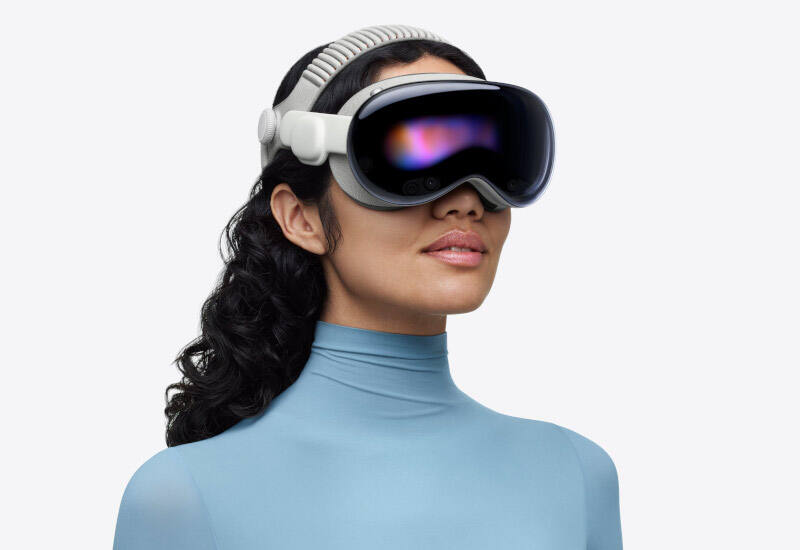
Apple’s next Vision Pro is now expected no earlier than 2028, according to a Bloomberg report, and that delay says a lot about where the company thinks the real money is. Instead of chasing a faster follow-up to its $3,499 mixed-reality headset, Apple has moved much of the team behind Vision Pro toward smart glasses and other wearable AI products.
The shift is not happening in a vacuum. Meta has already pushed hard into smart glasses with Ray-Ban-branded devices, while Google and others are circling the same category from the AI side. For Apple, that means the race has moved from expensive face computers to something lighter, cheaper, and much easier to wear all day.
Apple’s next Vision Pro headset is still in the lab
Bloomberg’s Mark Gurman says Apple is still developing new technologies and materials that could eventually lead to a cheaper and lighter closed-back headset. But that product is not being treated like a front-line project, and the long-discussed Vision Air appears to have been cancelled last year.
That is a telling move for a company that rarely admits defeat. The first Vision Pro arrived in 2024 and never really escaped the luxury-gadget trap, with price doing the heavy lifting as an excuse for slow adoption. Apple did refresh the headset last year with a more powerful Apple M5 processor, but faster silicon does not magically make a $3,499 headset feel mainstream.
Smart glasses and Siri now get the priority
The bigger reallocation is happening inside Apple’s Vision Products Group, whose members have reportedly been moved onto the smart-glasses effort. Some engineers have also been sent to work on Siri, AirPods with cameras, and an AI pendant, which is Apple’s way of admitting that the next interface war may be less about goggles and more about ambient computing.
- Vision Pro price: $3,499
- Possible successor timing: no earlier than 2028
- Last reported hardware refresh: Apple M5
- Vision Air status: cancelled last year
If Apple is betting on glasses, it is following the direction the wider market has already started to take: lighter wearables, better cameras, and AI features that do something useful before the battery dies. A huge headset can impress a demo; a pair of glasses people actually tolerate in public is a harder but smarter prize.
What happens between now and 2028
That leaves Apple with an awkward middle stretch. Vision Pro remains a halo product, not a volume hit, while the company tries to build the next category without repeating the same mistake at the same price. The obvious question is whether Apple can make smart glasses feel distinctly Apple without turning them into yet another expensive proof of concept.