

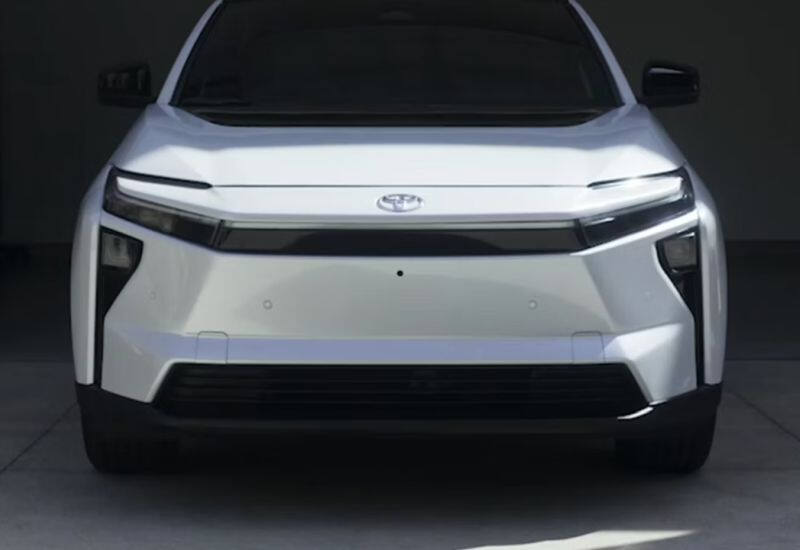
Toyota’s EV sales jumped 170% in May, even as demand for its gasoline and hybrid lineup softened for a fourth straight month. The split is a warning sign for the world’s biggest automaker by volume: Toyota is still huge, but its battery-electric models are growing much faster than its traditional engines.
In May, Toyota’s global sales fell 7.2% year on year to 834,279 vehicles, including Lexus. The weakness was most pronounced in China, where sales dropped 31.7%, while North America, Japan, and Europe were close to flat. For a brand that has long relied on scale and reputation, that’s a reminder that size buys you time, not immunity.
China is dragging Toyota’s tally
China remains the sharpest point of pressure. Toyota sold 102,299 vehicles there in May, and year-to-date volumes in the country fell 15% to 579,419 units. In the U.S., May sales slipped 0.6% to 238,800 vehicles, even with the RAV4 arriving in a plug-in hybrid version that should, in theory, make it easier to catch buyers who want lower running costs without committing fully to a battery-electric car.
The EV side tells a very different story. Toyota’s global electric-vehicle sales rose 170% to 37,313 units in May, and 155,074 vehicles over the first five months of the year, up 138% from the same period a year earlier. That is still a small slice of Toyota’s overall volume, at no more than 7%, but the direction is hard to miss.
Cheap Chinese parts are doing real work
Some of Toyota’s EV momentum is coming from China, where the company works with local partners and sells models under its own badge. The bZ3X, built with GAC, became the best-selling model at that plant in April, helped by a starting price of about $15,000 made possible by inexpensive local components. That is a very different business model from the one Toyota used to perfect with combustion cars: less about global uniformity, more about adapting fast enough to stay in the game.
- May global sales: 834,279 vehicles, down 7.2% year on year
- May EV sales: 37,313 vehicles, up 170%
- Year-to-date EV sales: 155,074 vehicles, up 138%
- EV share of Toyota sales: no more than 7%
Toyota is still selling its EV story cautiously
The company’s own explanation for the EV lift is plain enough: higher fuel prices are steering buyers toward electric cars. That logic is spreading across the industry, and Toyota is hardly alone in trying to cash in. Tesla is expanding hiring at its Berlin plant, while Toyota is lining up larger electric SUVs for North America, including the three-row Highlander BEV and the Lexus TZ.
The interesting question is whether Toyota can turn a strong percentage jump into meaningful volume before rivals lock in more of the market. For now, the company is winning on momentum, but not yet on scale. That may change quickly if the next wave of electric crossovers lands on time and buyers keep doing the simplest thing possible: comparing the price at the pump with the price at the plug.