

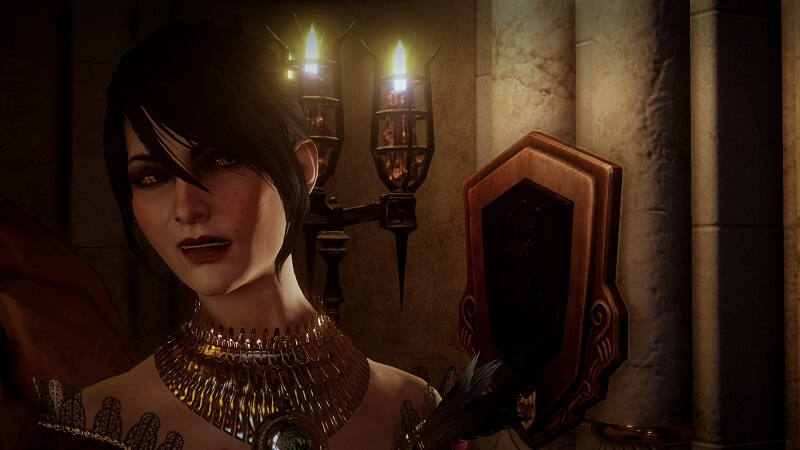
David Gaider, the writer and co-creator of Dragon Age, is not buying the industry hype around generative AI. In a recent interview with GamesRadar, he said the technology may have ”some potential” as a useful development tool, but argued it is nowhere near ready for broad use – especially if studios keep treating it as a cheap substitute for junior staff.
That jab lands because game development has always depended on apprenticeships disguised as production work: the low-status tasks teach people how the pipeline actually works. Strip those away and you do not just save money; you also starve the next generation of designers, artists, and writers of the boring but necessary jobs that usually turn them into senior talent. Big publishers love the promise of fewer payroll headaches; the long-term bill may be a weaker talent bench.
What Gaider says AI should be doing
Gaider’s argument is fairly pragmatic: if AI handled routine chores and left the meaningful decisions to people, the backlash would be much smaller. Instead, he says the industry keeps seeing the opposite pattern – important creative work gets handed to software, while humans are left cleaning up the mess.
He also drew a hard line on training data, saying the technology should not be built on illegally obtained material. That debate is hardly unique to games; it has already dogged generative AI across publishing, art, and music, where the business case often arrives faster than the legal one.
Why junior roles matter in game development
There is a reason so many studios have historically leaned on entry-level work. It is inefficient in the short term and invaluable in the medium term, because someone has to learn how to debug assets, chase revisions, and understand why ”good enough” is often not good enough. AI can imitate output, but it does not train judgment, and game studios need a lot more judgment than polished autocomplete.
- Gaider sees generative AI as potentially useful, but not ready for broad deployment.
- He says it should not be trained on unlawfully sourced data.
- His bigger concern is the loss of junior work that teaches newcomers the craft.
Electronic Arts is telling a different story
Electronic Arts, which owns the Dragon Age rights, has been singing a far happier tune. The company recently said generative AI has boosted creativity inside its studios, a familiar line from executives who tend to frame automation as liberation rather than substitution. That clash is telling: publishers want scale, creators want skill, and those goals do not always share the same spreadsheet.
The next fight is likely to be less about whether AI appears in game development and more about where it is allowed to sit in the workflow. If it keeps taking over the bottom rung, studios may get faster output and a thinner talent pipeline – which is a neat way to win the quarter and annoy the future.