

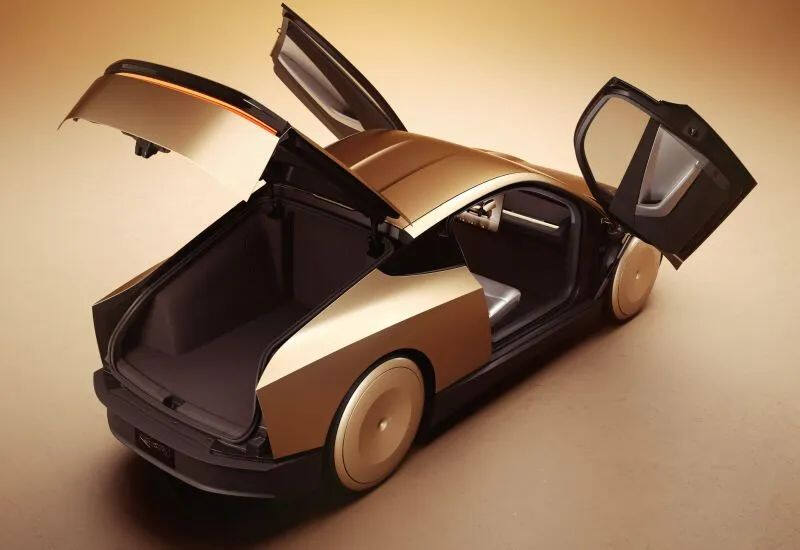
Tesla’s Cybercab has officially crossed from concept showpiece to certified product, and the paperwork says the compact robotaxi will go up to 669 km on a single charge. The U.S. Environmental Protection Agency filings also reveal something Tesla has never sold before: a front-wheel-drive EV, built around a modest 219 hp motor and a 47.6 kWh battery that prioritizes efficiency over brute force.
That setup makes sense for a vehicle meant to earn money in city fleets rather than impress spec-sheet hunters. A smaller battery keeps weight and cost down, and in ride-hailing duty fast charging usually matters more than carrying the biggest pack possible. Tesla is chasing the same playbook that helped smaller EVs and dedicated city cars win over operators long before passengers started worrying about badge appeal.
Cybercab range, motor and battery specs
- Drive layout: front-wheel drive
- Motor output: 219 hp
- Battery capacity: 47.6 kWh
- EPA range: 669 km in mixed driving
There is a catch, of course: rated range is not the same thing as what drivers actually get. Electrek’s suggested 0.7 correction would put real-world mixed-use range closer to 468 km in city driving and about 420 km on the highway, which is still respectable for a vehicle this size. That is the sort of number that makes fleet accountants smile, even if enthusiasts were hoping for a bigger battery and a bigger headline.
Weight and payload tell a different story
The Cybercab’s mass is more revealing than its range figure. At 1,412 kg empty, it is still 340 kg lighter than the Tesla Model 3, but the 309 kg battery accounts for a hefty chunk of that curb weight. Payload is capped at 280 kg, which means two passengers and a couple of bags can eat through the allowance pretty quickly.
Charging also leaves a small paper trail of its own. Tesla says a full refill from household AC power takes 53.4 kWh, about 12% more than the battery’s nominal capacity because of charging losses. The missing piece is independent testing, and that is where the real verdict will come from. Certified numbers are nice; operating a robotaxi every day is where the marketing slides usually meet physics.