

Five years after Tesla unveiled its 4680 battery cells as a leap forward, the numbers now look far less heroic than the pitch. Independent testing suggests the company’s in-house cells trail rival packs in energy density, charging speed, and even usable capacity, which is a pretty awkward outcome for something marketed as a moonshot.
Battery Day promised a lot: five times the energy, 16% more range, and battery costs nearly cut in half. Instead, the Tesla 4680 has become a lesson in how hard battery manufacturing is, especially when Panasonic, LG, and even cheaper LFP packs are still setting a very high bar.
Tesla 4680 energy density lags rivals
According to Electrek, Tesla’s 4680 cells made at Giga Austin deliver about 244 Wh/kg. Panasonic’s 2170 cells, by comparison, are rated at 269 Wh/kg. That gap alone undercuts the idea that Tesla’s proprietary format is automatically ahead of the pack.
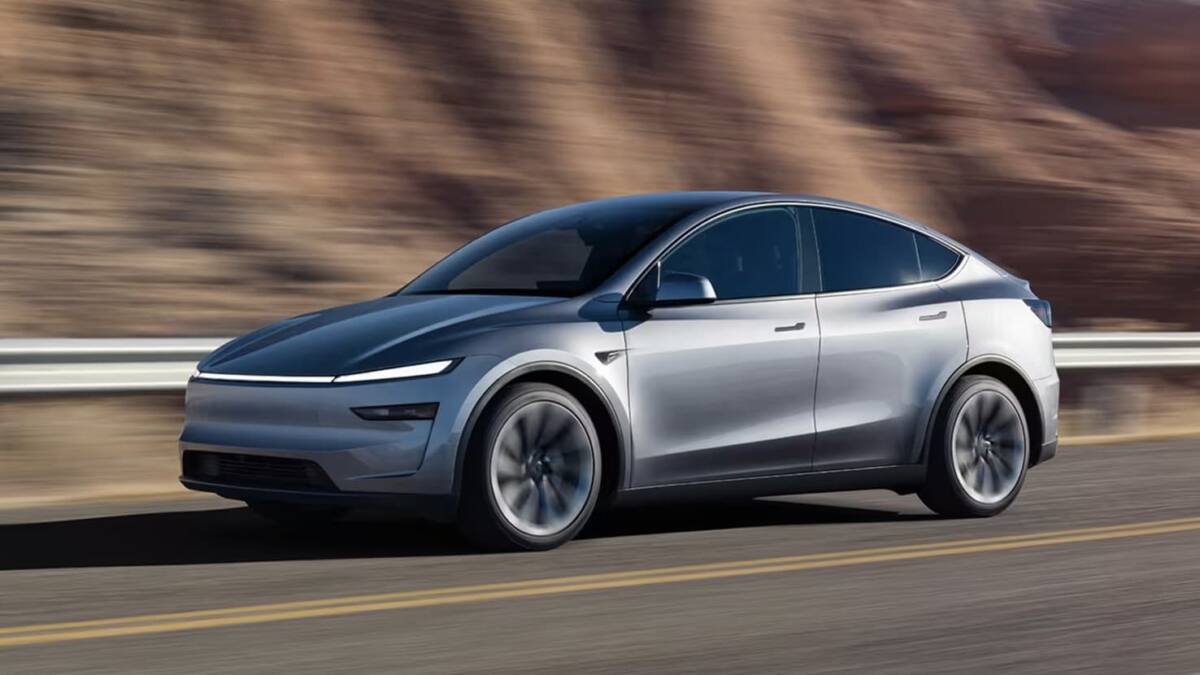
The problem is not just at the cell level. In the European version of the Tesla Model Y Premium Long Range RWD, the 8L battery built around 4680 cells has a nominal capacity of about 79 kWh, but only 74 kWh is available to drivers. The previous LG 5M pack offered 82-84 kWh, which is the kind of math nobody likes to see when they are paying for range.
The result is a drop in WLTP range from 661 km to 609 km. That is not a rounding error; it is the difference between a convincing upgrade and a spec sheet that quietly moved backward.
Tesla 4680 charging speed is the bigger embarrassment
Fast charging is where the 4680 looks weakest. Test data cited by Electrek says a Tesla Model Y with 4680 cells takes more than 40 minutes to charge from 10% to 80%, while the 2170 version does it in roughly 27 to 30 minutes. After 35%, charging power drops below 100 kW.
That is especially embarrassing because even some smaller-capacity LFP batteries can charge faster in certain cases. Tesla may have trimmed weight, but shaving off about 18 kg from the battery pack in the European Model Y does not compensate for slower charging and less range.
- 4680 energy density in Giga Austin cells: about 244 Wh/kg
- Panasonic 2170 energy density: 269 Wh/kg
- Model Y 8L usable capacity: 74 kWh
- Previous LG 5M pack: 82-84 kWh
- 10% to 80% charging time: more than 40 minutes
- 2170 charging time: about 27-30 minutes
Lower demand is starting to show up
The commercial picture looks just as messy. South Korean supplier L&F has reportedly cut back a major contract tied to the program, and 4680 cells are now used only in select Model Y and Cybertruck variants. For a technology that was supposed to reshape Tesla’s battery strategy, that is a very small footprint.
There is also a reputation hit in Europe, where some owners say they received cars with reduced range and no advance choice of battery type. That is the kind of customer experience that sticks, especially when the original sales pitch was built on superiority rather than compromise.
The obvious question is whether Tesla keeps pushing the 4680 as a flagship technology or quietly lets it become a niche internal battery format. Right now, the evidence points to the second option unless the next production revision can do something Tesla’s current cells have not: beat the competition on the basics.