

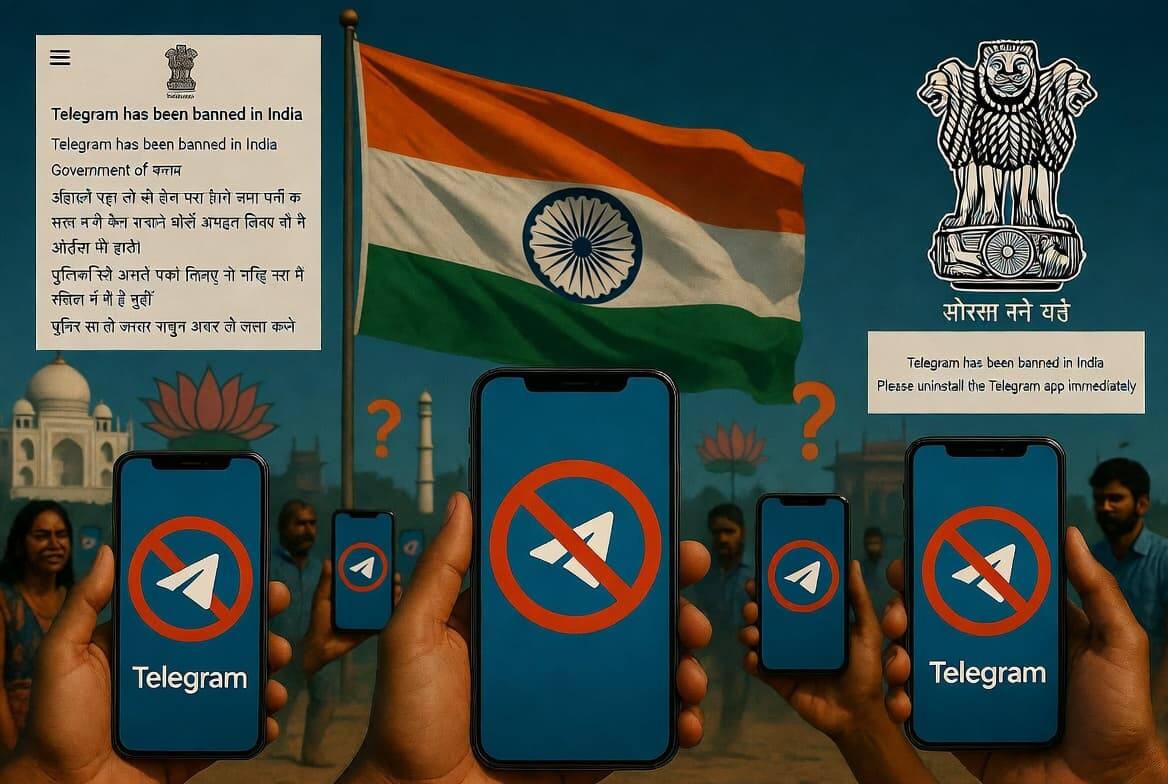
India has blocked Telegram until 22 June over allegations that the messaging app was being used to help candidates cheat on medical entrance exams, including NEET. The move comes in the middle of a fraught testing cycle, after authorities already scrapped a major national exam last month when its questions were leaked before the test started.
The government says the ban relies on a strict provision of its information technology law that allows access to online services to be restricted in the interests of India’s sovereignty and integrity. In practice, that gives officials a blunt tool against platforms that become convenient plumbing for fraud, whether they like the PR or not.
NEET retest under pressure
The immediate trigger is the National Eligibility cum Entrance Test, better known as NEET. The original exam was cancelled after the leak, and a retest is set for 21 June. According to the National Testing Agency, Telegram was being used in an organized way by fraud groups targeting candidates taking that retest.
That puts Telegram in an awkward club no app wants to join: popular enough to be useful, open enough to be abused, and hard enough to police at scale. India has taken similar hard-line action before against online services it says are helping unrest or fraud, and this case shows regulators are now willing to treat exam cheating as a national-platform issue, not just a school discipline problem.
India’s Telegram block until 22 June
- Restriction in force until 22 June
- Action tied to alleged cheating around medical entrance exams
- Legal basis: a provision allowing blocks in the interests of sovereignty and integrity
The timing is telling. By moving before the retest, officials are signalling that they see online coordination as part of the threat surface, not a side effect. The bigger question is whether a temporary block on one app meaningfully slows down fraud networks, or just pushes them somewhere less visible and equally messy.
What comes after 22 June
If the block lifts on schedule, Telegram gets a reprieve. If exam-security problems keep surfacing, though, this looks less like a one-off sanction and more like a preview of how India may handle platforms that sit at the center of high-stakes cheating schemes: quickly, broadly, and with very little patience for apologies.