

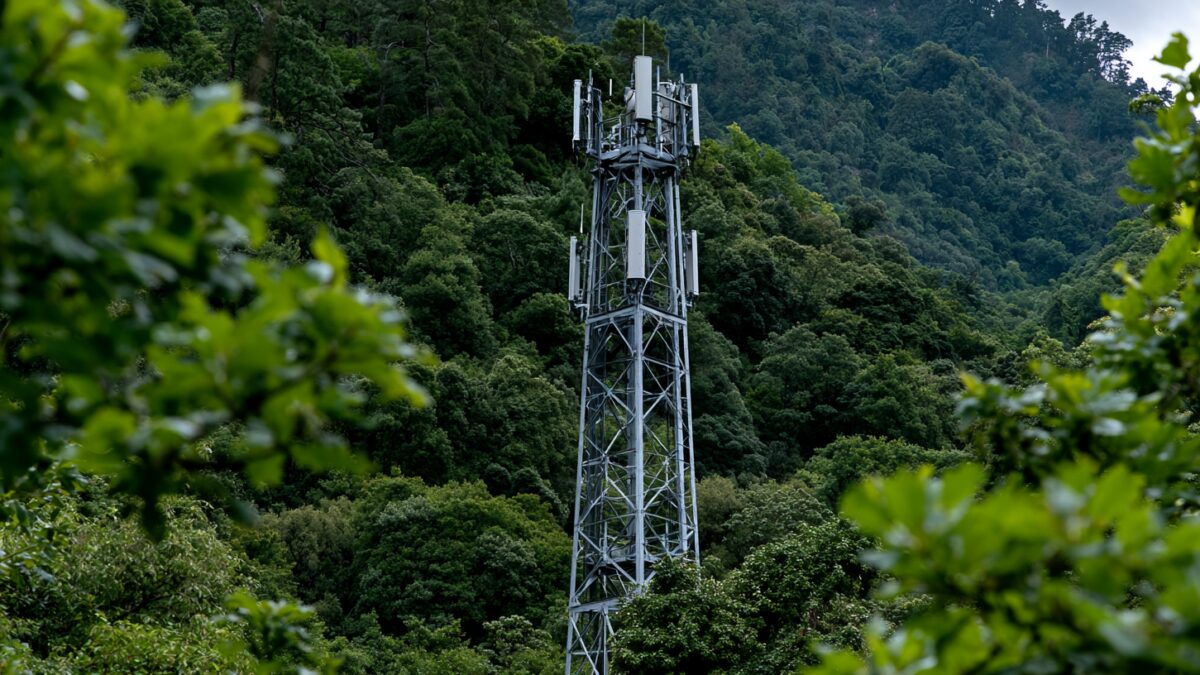
T2 says its tower company ”Pilar” has completed more than 3,500 network-development jobs since the start of 2025, a sign that the operator is leaning harder on its own engineering teams instead of outside contractors. The pitch is simple: faster execution, tighter control, fewer surprises. In telecom, that usually means fewer excuses too.
The company says its dedicated brigades were set up in 2024 and now help manage work across everything from traditional ground masts and rooftops to indoor installations. More than 35 specialized teams are spread across several macro-regions, giving T2 a more centralized way to roll out infrastructure as mobile traffic keeps rising and operators keep squeezing more performance out of existing sites.
What T2 says changed after building its own teams
According to the company, training and vetting employees in-house reduces the risk of poor contractor qualification and creates a single safety standard across projects. That is a familiar move in telecom and tower businesses: once network buildouts get dense and geographically scattered, quality control becomes as valuable as raw labor.
T2’s ”Pilar” unit is effectively betting that owned execution beats outsourced work. Rival operators have taken similar paths in parts of their network operations, especially where rollout consistency matters more than a one-off cheap job.
How T2’s rollout model is changing
Alexey Krushinin, the general director of ”Pilar,” said the company’s reliance on its own resources had proved fully justified, pointing to the current team structure as proof of faster decision-making and more predictable quality. That kind of language usually means one thing: the operator wants less dependence on the messy middle of subcontracting.
- More than 3,500 network-development jobs completed since the start of 2025
- Own engineering brigades created in 2024
- More than 35 specialized teams working across several macro-regions
The test for T2’s tower strategy
The open question is whether this model scales cleanly as deployment gets more complex. If T2 can keep speed high and quality uniform across the country, it gives the company a neat operational edge; if not, the savings from in-house control can vanish fast once the rollout pile gets bigger than the teams built to handle it.