

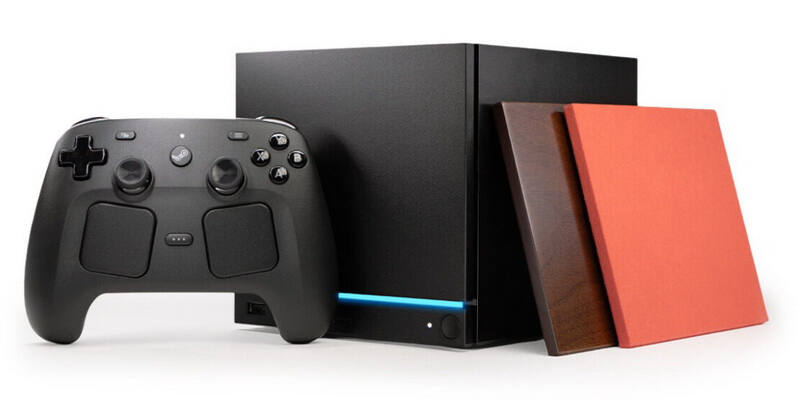
Valve is quietly turning SteamOS into something closer to a universal living-room operating system: if you have a compatible desktop PC, you may soon be able to build your own Steam Machine instead of waiting for the official box. The company says that starting with SteamOS 3.8, users can assemble a ”Steam Machine” from ordinary PC parts, and it is also making the software friendlier to Intel, AMD, and, eventually, Nvidia hardware.
That is a bigger deal than it sounds. Steam Deck proved Valve can make Linux gaming feel mainstream; the next step is making the same software stack work on ordinary PCs without the usual hobbyist pain. If Valve pulls that off, SteamOS could compete not just with consoles in the living room, but with Windows on a chunk of gaming desktops too.
SteamOS 3.8 opens the door
The immediate trigger is SteamOS 3.8.10, which arrived last week with a batch of updates and improved compatibility with newer Intel and AMD platforms. Valve is also, in effect, giving players permission to install SteamOS on their own desktop machines, which is a notable shift from the Steam Deck-first world the software has lived in until now.
Pierre-Loup Griffais of Valve told The Verge that the company is working to make SteamOS more comfortable on desktop hardware, including Nvidia graphics cards. He said the team around Nvidia driver support is growing and that Valve is working closely with Nvidia, though support may not land this year. Translation: the company is laying pipe before it turns on the taps.
What works now on a desktop PC
SteamOS has technically been installable on regular PCs for some time, but the practical limits were obvious: AMD systems were the main target, and the setup relied on the Steam Deck recovery image. Intel and Nvidia machines were much harder to get going, which made the whole thing feel more like a tinkerer’s project than a real alternative to Windows.
- SteamOS can be installed on a desktop PC if you are willing to wipe the drive.
- Core features already work, including the SteamOS graphics driver and shader precompilation.
- HDMI-CEC is still missing, so the couch-PC dream is not fully polished.
Why Valve is pushing the couch-PC angle
Valve is clearly aiming at a very specific machine: a PC connected to a TV, with a single drive and no need for dual booting. In that setup, Griffais said SteamOS should behave much like Steam Deck or Steam Machine, which is Valve’s way of saying: if you want a simple box for games, this is becoming a real option again.
The catch is that the current installer still expects a completely clean drive, and there is no easy wizard for sharing a disk with another operating system. That makes SteamOS less inviting for people who want to test it on an existing Windows gaming rig without wiping their data first. A smoother dual-boot path is the obvious next step, and Valve has already hinted that it sees that future coming.
Building a SteamOS gaming PC now
For buyers, the timing is awkward. Building a gaming PC is unlikely to cost less than a Steam Machine right now because of the ongoing memory shortage, yet waiting in line for Valve’s hardware is not exactly thrilling either. That leaves a familiar choice: buy what you can get, or build the closest thing yourself and hope the software catches up.
There is also a backup plan for impatient tinkerers. If SteamOS still feels too rough on desktop hardware, gaming-focused Linux distributions such as Bazzite and Nobara are already there, which puts a little more pressure on Valve to make its own system easier to install and harder to break. The real question is how long it takes before SteamOS stops feeling like an experiment and starts feeling like the default couch-PC choice.