

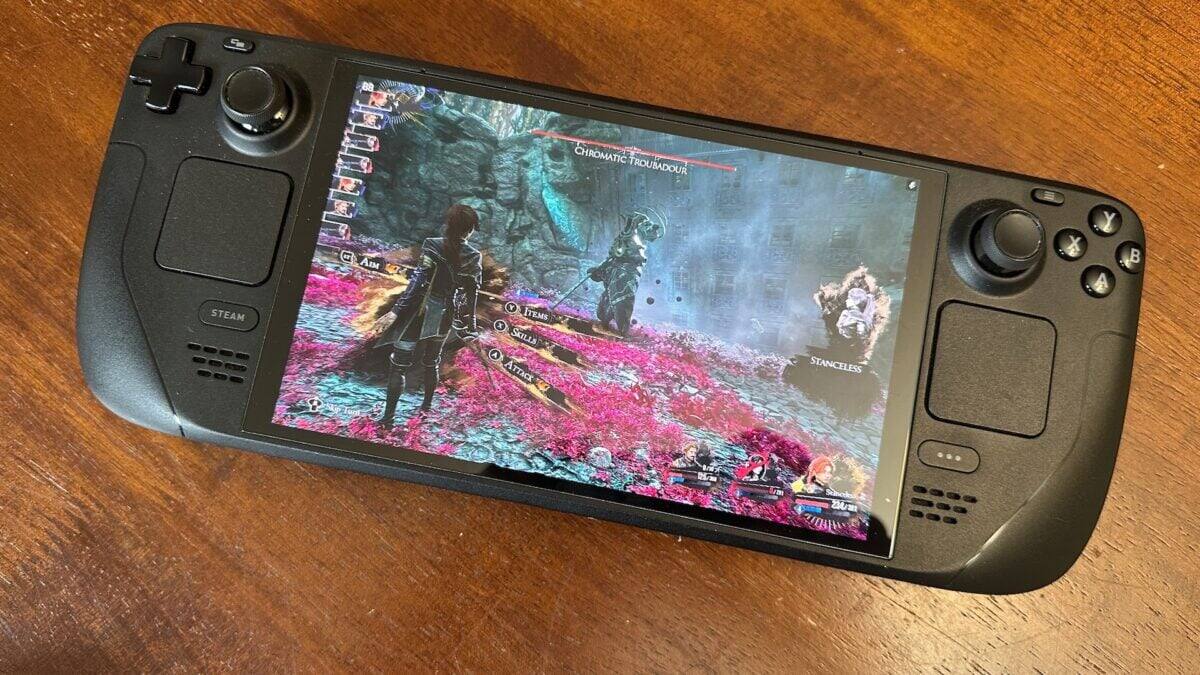
Valve has pushed the Steam Deck OLED into absurd territory: the 1TB model now costs $950, while the 512GB version is $790. That is a brutal reset for a handheld that built its reputation on being the cheaper, friendlier alternative to Windows-powered rivals – and it arrives just after Valve stopped selling the Steam Deck LCD in December 2025.
The upside, if you can call it that, is that the OLED models are at least back on sale after sitting as ”Sold Out.” Valve says the higher prices reflect component costs and broader logistical pressure across the industry, which is corporate code for ”everything costs more and you’re paying for it.”
Steam Deck OLED pricing now
- 512GB Steam Deck OLED: $790, up from $550
- 1TB Steam Deck OLED: $950, up from $650
- Refurbished 512GB Steam Deck OLED: $650
- 256GB Steam Deck LCD: $320
That refurbished 512GB price is still higher than the model’s $500 launch price, which is a strange way to sell ”refreshed” hardware. The cheaper LCD option looks more sensible, especially if you are willing to add a microSD card or swap in a larger SSD later.
Valve is drifting into the same trap as everyone else
This is not happening in a vacuum. Memory prices are rising, and gaming hardware makers have been lifting prices across the board, from Xbox Series S/X to PlayStation 5 and Nintendo’s Switch 2, which now costs $500. Even higher-end handhelds are feeling the squeeze: the Asus ROG Xbox Ally X sits at $1,000, while the Lenovo Legion Go 2 has climbed to $2,000 for its top-end model.
Valve’s problem is that price was the Steam Deck OLED’s most persuasive feature. It was never the fastest handheld on the shelf, but SteamOS made it feel easier to live with than Windows 11 machines that often cost more and ask for more patience. Strip away the bargain angle and the Deck starts looking less like a clever buy and more like an expensive nostalgia item for people who really, really love Proton.
What this could mean for Steam Machine pricing
The bigger worry is Valve’s upcoming Steam Machine, a 6 x 6-inch SteamOS-based PC that still has no official price or release date. Valve has said it would price the device based on similar PC components, but today’s component market is moving in the wrong direction for anyone hoping for a neat, consumer-friendly number.
There is a chance Valve has found a separate memory supplier for the Steam Machine, which could shield it from some of the pressure hitting the Deck. But after this latest round of hikes, optimism is thin. If the company is forced to price the machine like a normal PC box in a wildly abnormal market, the whole ”console-like” pitch gets a lot harder to sell.