

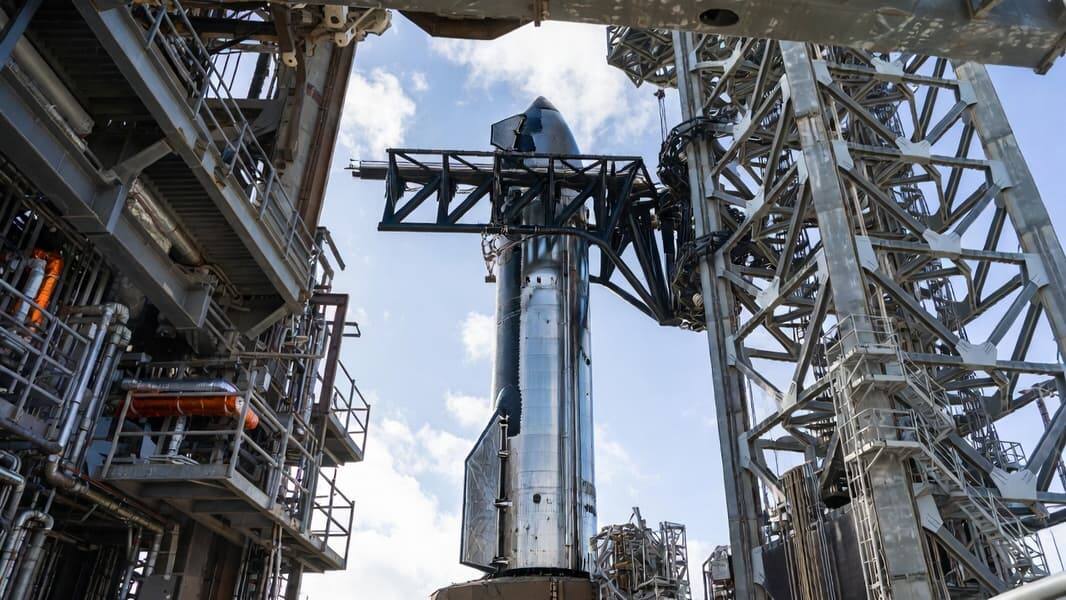
SpaceX has loaded two small satellites with reaction wheels into Starship Ship 39, giving the next test flight a more precise set of observers than the usual crowd of dummy payloads. Their job is simple but unforgiving: watch how Starship’s heat shield behaves during the hottest part of reentry while staying rock steady without using fuel for attitude control.
A reaction wheel is basically a momentum-saving trick: spin a wheel one way and the spacecraft rotates the other. That makes it a useful tool for keeping instruments pointed at the target, especially during a chaotic entry profile where the shield is getting hammered and the vehicle is trying very hard not to misbehave.
Why these satellites matter for Starship
These satellites are now the main ”eyes” of the flight, which is a better use of payload space than most spacecraft get on a development mission. If the data is clean, it could help SpaceX support certification work for crewed Starship flights later on – a long road, but one that depends on showing the vehicle can survive repeated atmospheric punishment without turning the shield into expensive confetti.
The timing is also doing SpaceX no favors. The launch has already slipped to 21 May because of weather, which is a familiar annoyance for a program that seems to treat schedule slips as a design feature. Still, a payload that can hold its attitude precisely during descent is exactly the kind of instrumented step you want before you start talking seriously about routine reuse.
Ship 39 carries more than Starlink dummies
Starship’s payload bay is therefore doing double duty: it carries mock Starlink satellites, but also these dedicated monitoring spacecraft built to stay stable when the atmosphere stops being polite. That combination says a lot about where the program is right now – less ”look at the fireworks,” more ”show us the data.”
What the next reentry test will be judged on
The real question is whether the shield, the guidance system, and the new onboard observers all survive the same brutal stretch of flight without losing their story. If they do, SpaceX gets something far more valuable than another splashy launch clip: evidence that Starship’s return path is becoming predictable enough to build a future around.