

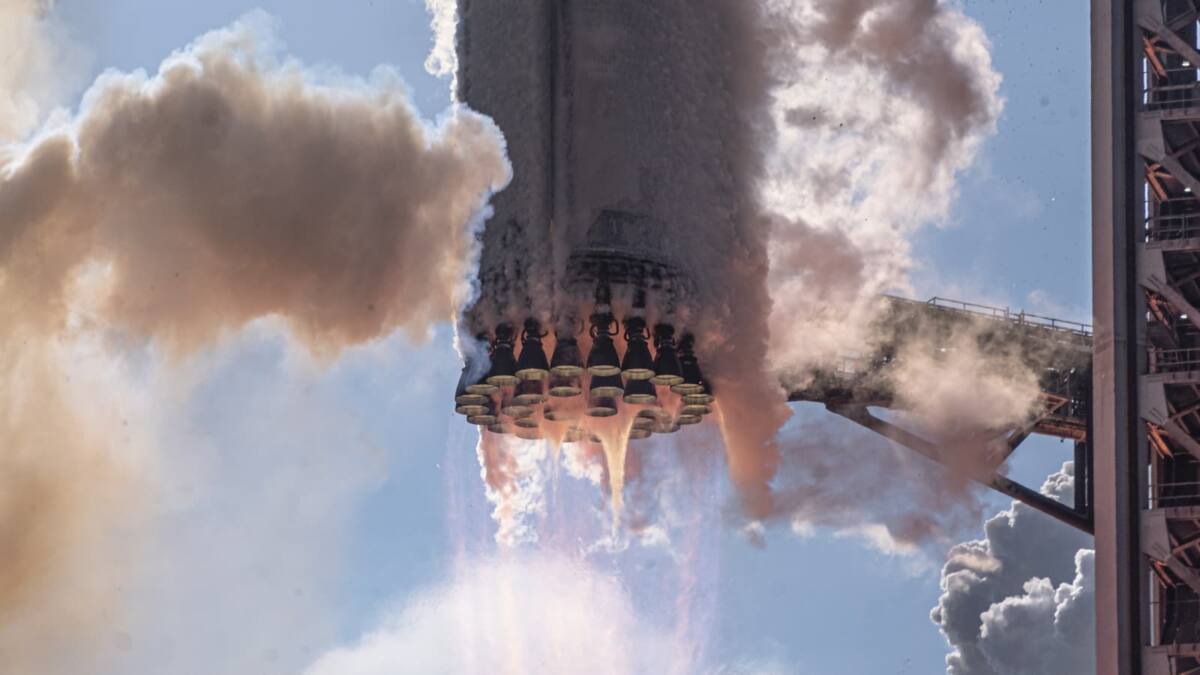
SpaceX says the loss of one Starship engine during the 12th flight did not ruin the mission – it helped sharpen the data set. Shana Diez, the company’s director of Starship Flight Reliability, said the team gathered valuable information from the engine failure and from the vehicle’s atmospheric reentry, calling the test a strong outcome for a research flight.
That is the logic of Starship test campaigns in a nutshell: break things, learn fast, fly again. SpaceX has already turned repeated setbacks into design changes before, and the company’s willingness to treat a partial failure as useful data is one reason it keeps moving faster than the rest of the launch industry.
What SpaceX learned from Starship flight 12
Diez said the flight produced ”very valuable data” and emphasized that the vehicle still handled the rest of the mission well. Her point was blunt: for experimental missions, the priority is information, not perfection. In this case, that meant data on how the engine behaved during failure and how Starship performed on a dramatic reentry back through the atmosphere.
SpaceX also credited both the ship and the booster for getting through the flight’s problems. The company framed the result as another step in proving out a new rocket system that is still being pushed hard in real-world conditions rather than polished behind closed doors.
A record haul of simulated satellites
The flight was more than just an engine story. SpaceX said Starship deployed all 20 simulated Starlink satellites and two modified Starlink craft designed specifically for imaging, while also putting roughly 45 tons of mass simulators into orbit. That is a serious payload for a vehicle that is still under active development, and it shows why SpaceX is so intent on keeping the test cadence high.
- 12th Starship launch
- One engine failed during flight
- 20 simulated Starlink satellites deployed
- 2 modified Starlink satellites launched for imaging
- About 45 tons of mass simulators reached orbit
FAA review still hangs over the result
There is still a regulatory subplot. The Federal Aviation Administration has not yet decided whether it needs to investigate the incident after the launch, so SpaceX does not have a final bureaucratic verdict to pair with its technical one. That matters because Starship is no ordinary prototype: each flight is both a test and a public demonstration of how much risk regulators are willing to tolerate while the vehicle matures.
Musk separately said the ship’s heat shield did its job on the latest test flight, which fits the broader picture SpaceX is trying to sell: not a flawless mission, but a vehicle that can survive enough of the hard parts to keep learning. The next flight will tell us whether the company turns this into a cleaner run, or whether Starship keeps collecting victories that still come wrapped in expensive reminders of how hard orbital rocket reuse really is.