

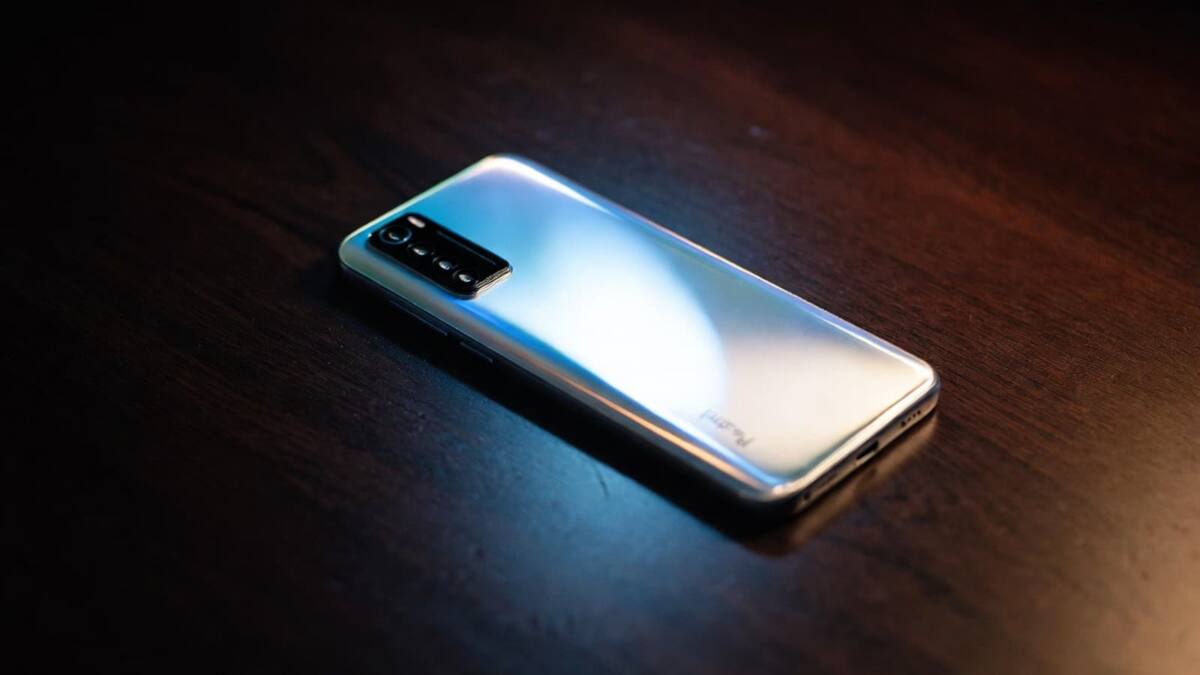
Redmi’s next K-series phones are leaking early, and the spec sheet reads like Xiaomi is trying to win every benchmark thread at once. The Redmi K100 lineup is said to be headed for a launch in the 3000-4000 yuan range, with Snapdragon 8 Elite Gen 5, LPDDR5X memory, UFS 4.1 storage, a claimed AnTuTu score above 4 million, and a giant 8500 mAh battery.
That combination would put the series in familiar flagship territory for the brand: aggressive pricing, oversized batteries, and camera hardware that tries very hard to sound expensive. The catch is that the actual retail names may still shift before launch, because pre-release leak cycles love a little confusion right up to the finish line.
Redmi K100 display and chip details
According to the leak, the screen gets SuperPixel tuning across the range. The standard model is tipped to use a 6.6-inch flat panel, while the Pro Max version could stretch to 6.9 inches. That split suggests Redmi is keeping one model compact-ish by modern standards and another aimed squarely at buyers who want the biggest possible slab of glass.
- Chipset: Snapdragon 8 Elite Gen 5
- Memory: LPDDR5X
- Storage: UFS 4.1
- Benchmark claim: more than 4 million points in AnTuTu
Camera and battery claims
Photography hardware is where the leaks get more ambitious. All models are said to include a 50-megapixel periscope telephoto module, while the Pro Max version may add a 200-megapixel main camera on top. If that sticks, Redmi is clearly not treating the K100 as a midrange value play with a single flashy spec; it’s aiming for full-on flagship bragging rights.
Battery life could be the headline act, though. The engineering sample is reportedly using an 8500 mAh cell with 100 W wired Xiaomi Surge charging and 50 W wireless charging. That is the sort of battery figure that makes even power-hungry rivals look oddly conservative, especially as other big-name phone makers still tend to stop well short of that capacity.
What the 3000-4000 yuan price band suggests
The rumored price range matters as much as the hardware. In that band, Redmi can undercut many premium Android rivals while still advertising a top-tier chip and unusually large battery, a formula that has worked for the company before. The downside for competitors is obvious: if these specs survive the final product cycle, anyone shopping by raw numbers will have a very short list.
For now, the most interesting question is whether Redmi keeps the full feature stack across the family or saves the wildest camera and battery pieces for the highest-tier model. Leaks are easy; delivering all of this without awkward cutbacks is the part that usually gets expensive.