

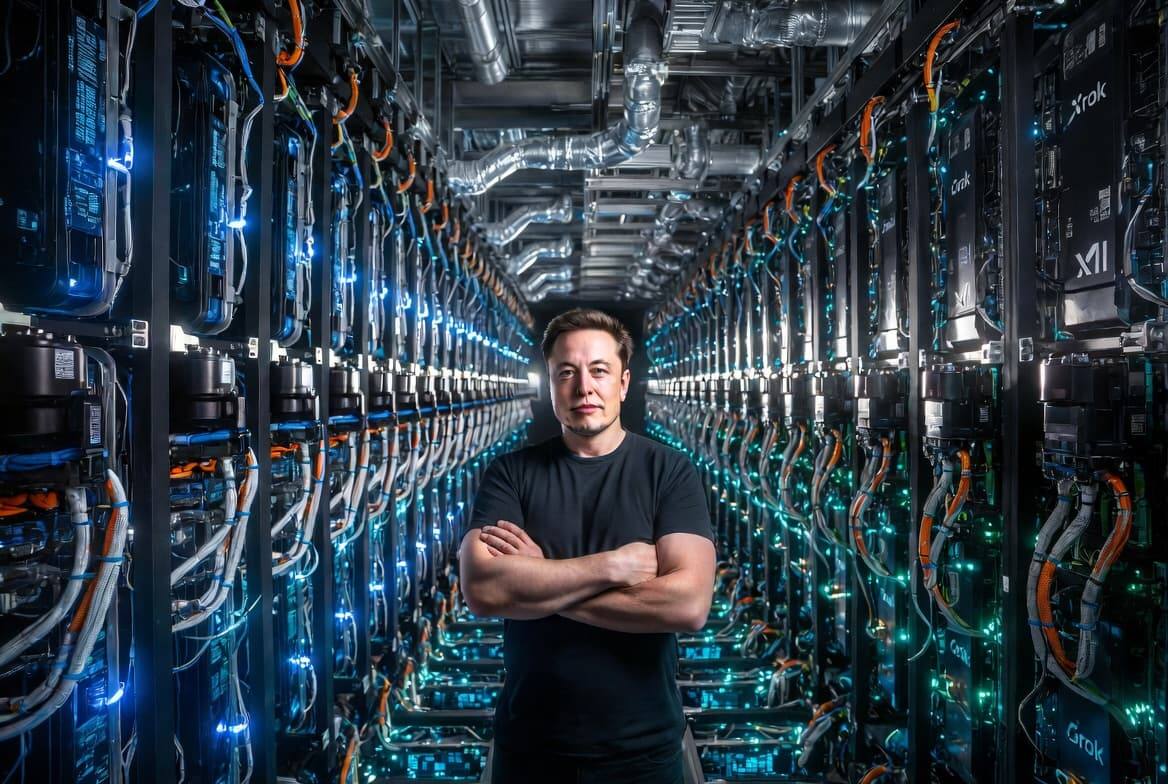
SpaceX’s Starlink is cutting the monthly bill by 50% for people in parts of Memphis, a move tied to the company’s giant Colossus data-center footprint there. New customers in the eligible area also get the hardware upfront at no initial cost, turning what is usually a fairly expensive plug-in to the satellite web into a much easier yes for local households.
The deal is automatic for addresses inside the selected zones, so nobody needs to file a request or tweak account settings. The discount shows up on the next billing cycle and stays in place as long as the service address remains covered by the program.
What Memphis customers get from Starlink
- 50% off the standard monthly Starlink subscription
- No initial equipment charge for new subscribers in the program area
- Automatic billing adjustment with no application required
- Referral bonus: one free month for both sides when friends or relatives sign up in the same zone
Why SpaceX and xAI are doing this now
The company is presenting the offer as local support for the community around its infrastructure, but the message is also practical: if you’re building high-profile AI hardware in a city, making the internet cheaper nearby is a decent way to soften the optics. Memphis has become part of the story not just because Colossus is there, but because the surrounding area now sits at the intersection of satellite broadband marketing and data-center politics.
That matters because satellite internet has spent years fighting the same two battles: price and convenience. A sharper local deal can help Starlink win users who were curious but hesitant, while also creating a neat little halo around xAI’s physical presence in Memphis.
The Colossus connection
Colossus is described as the world’s most powerful supercomputer for AI training and is operated by xAI, Elon Musk’s company, in Memphis, Tennessee. The new Starlink promotion is explicitly aimed at residents in the same city, which makes it less like a generic discount and more like a location-specific perk wrapped around one of Musk’s most visible infrastructure projects.
The obvious question is whether this stays a Memphis one-off or becomes a template for other cities hosting SpaceX or xAI facilities. If the answer is yes, Starlink may have found a clever way to turn expensive hardware and local resentment into a customer-acquisition machine.