

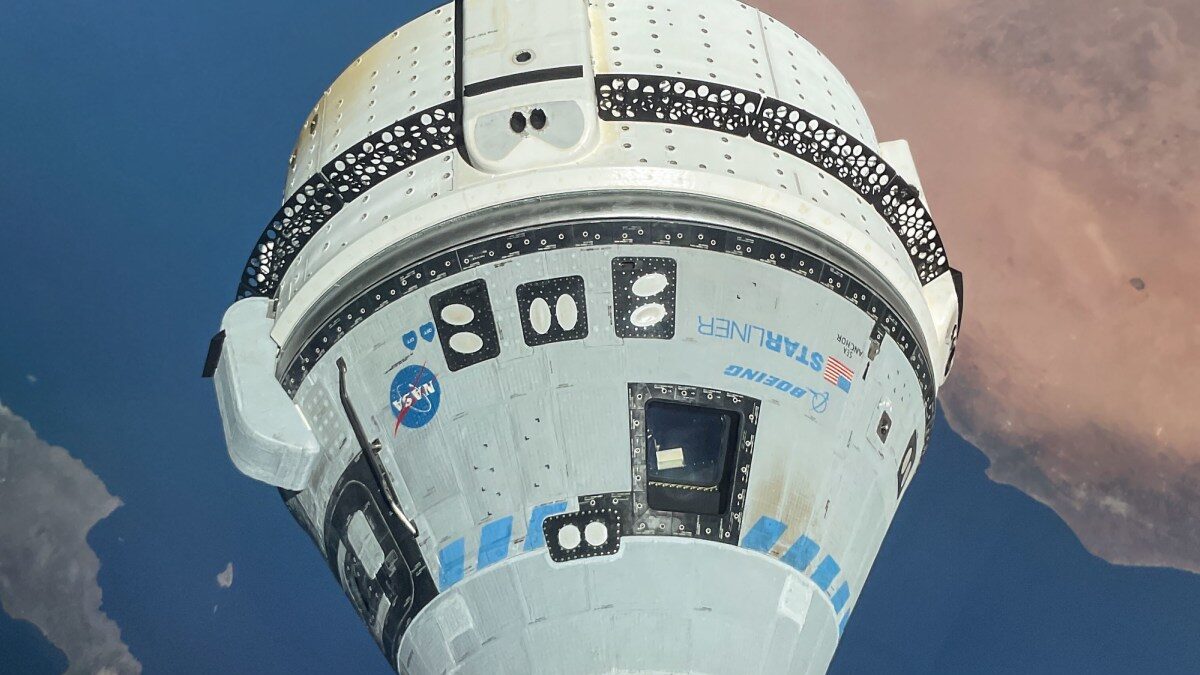
NASA and Boeing still do not have a launch date for Starliner’s return to flight, and the bottleneck is ugly in the way space programs hate most: engine trouble and heat. The CST-100 capsule has cleared much of the fallout from its previous mission, but two stubborn problems are still holding up Starliner-1, pushing the next flight into a window that could be a year away.
That is the latest readout from NASA’s safety advisory board, as reported by SpaceNews. It’s a familiar pattern in crewed spaceflight: the paperwork says progress, the hardware says wait. Boeing needs Starliner to work, NASA needs a second U.S. ride to the International Space Station, and SpaceX’s Crew Dragon keeps being the only operational backup with a track record to match.
What is still blocking Starliner-1
The remaining issues are centered on the reaction control engines and the overheating in the compartments that house them. Engineers have apparently closed most of the anomalies found on the last flight, but those specific faults are still serious enough to keep the program from moving into launch prep. For a spacecraft that is supposed to prove it can safely carry astronauts, that is not a minor housekeeping task.
- Vehicle: CST-100 Starliner
- Program status: most prior anomalies resolved
- Main hold-ups: engine malfunctions and overheating
- Next mission: Starliner-1
The Starliner launch timeline keeps sliding
NASA had previously floated the idea of an uncrewed flight in spring 2026, but that schedule has now been pushed aside. The agency is no longer offering a firm start date, only the cautious estimate that launch could come ”within the next year or so.” In spaceflight terms, that is a polite way of saying the calendar is now a moving target.
The delay also underlines how hard it is for Boeing to catch up in a market it helped create but has not yet conquered. SpaceX already has the operational rhythm, and NASA cannot afford to rush Starliner just to get a second option on paper. If the fix works, the capsule finally becomes the backup NASA wanted; if not, Crew Dragon stays the default answer a little longer.
What happens after the fixes
Once the technical problems are solved, Starliner is expected to become NASA’s second American vehicle for ferrying astronauts to the ISS alongside SpaceX’s Crew Dragon. That is the whole point of the program, and also why every delay stings: a redundant crew transport system is supposed to reduce risk, not become the risk.
The open question now is whether Boeing can stabilize the propulsion system without another round of schedule slips. If the company does, Starliner finally gets back into the flight lineup. If it doesn’t, the next ”next year” may arrive before the capsule does.