

South Korea’s semiconductor industry is running low on a very unglamorous but very necessary ingredient: high-purity carbon dioxide. The shortage is already tightening supply for chipmakers that build much of the world’s NAND and DRAM memory, and that matters because any hiccup in memory output tends to show up later in prices.
The immediate problem is not a factory shutdown. It is inventory. Industry sources cited by The Elec say combined stocks held by chipmakers and suppliers are down to less than a month of use, while companies usually keep about two weeks in reserve. That buffer is supposed to cover the usual logistics wobble; it is not built for a prolonged squeeze in a market this concentrated.
Why chip fabs need high-purity CO2
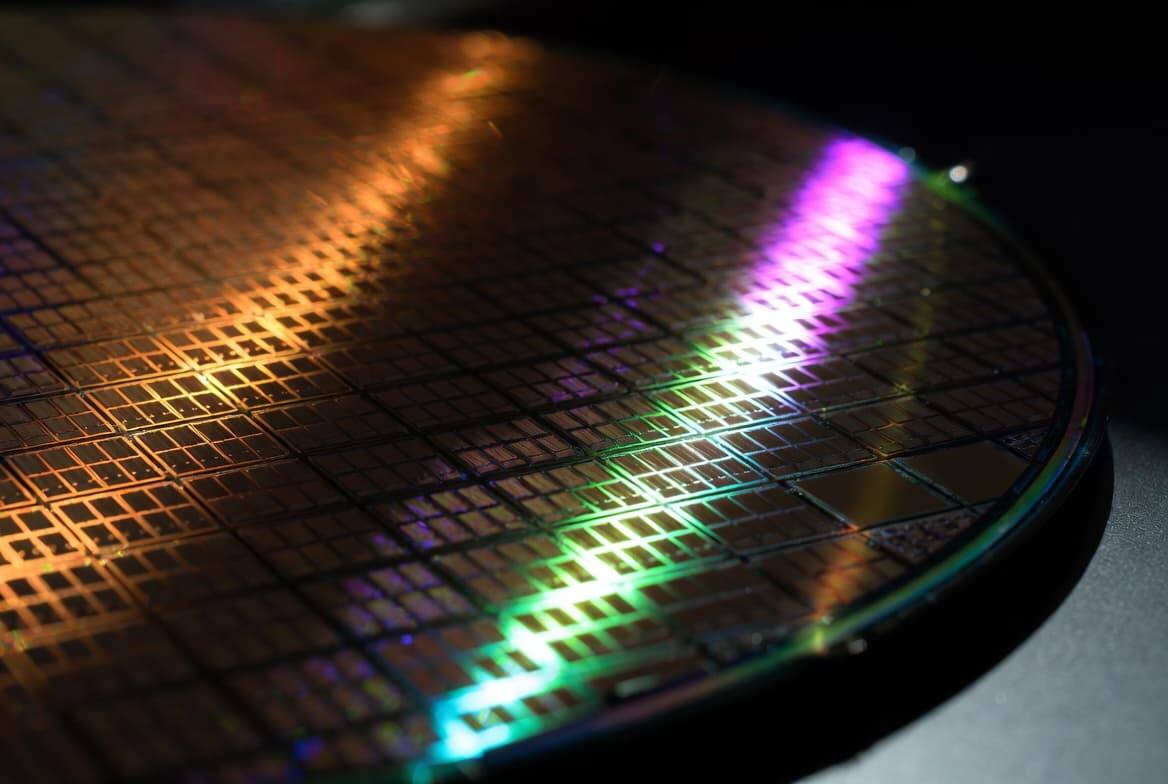
High-purity CO2 is used in supercritical cleaning of semiconductor wafers, a process that helps strip contamination from extremely fine structures inside modern chips. In that state, carbon dioxide behaves partly like a liquid and partly like a gas, which makes it effective at reaching places conventional cleaning methods struggle to touch. The more advanced the chip, the more annoying the chemistry gets.
Samsung Electronics is said to consume about 1,800-2,000 tons of the gas each month, while SK hynix uses about 600-700 tons. Both companies are trying to secure more supply, but sources say extra volumes are getting harder to find even with buyers willing to pay more. That is a familiar pattern in semiconductors: one niche input gets tight, then everyone suddenly discovers how dependent the whole chain is on it.
A supply problem born outside the fabs
The shortage appears to be a byproduct of reduced output from the industries that make the gas in the first place. High-purity CO2 is produced as a side product of oil refining, petrochemicals, and hydrogen production, so lower utilization at chemical plants can quickly ripple into chip manufacturing.
According to the report, weaker operations at South Korea’s petrochemical plants and unstable oil supplies tied to geopolitical tension in the Middle East have made the situation worse. That is the kind of cross-industry dependency that rarely gets attention until it starts nudging memory costs upward.
Memory prices are already under pressure
Liquid CO2 prices have risen by about 20% since the start of 2026, and market participants expect the shortage to last at least through the end of the year. If that happens, the most exposed part of the chain is memory, where South Korea’s makers still dominate global output and where even modest supply disruptions can sharpen price swings.
- South Korean chipmakers are facing a shortage of high-purity CO2 used in wafer cleaning.
- Combined gas stocks are said to be below one month of use.
- Samsung Electronics uses about 1,800-2,000 tons a month; SK hynix uses about 600-700 tons.
- Liquid CO2 prices have risen by about 20% since the start of 2026.
The supply squeeze is not yet a production crisis, but it is a reminder of how dependent advanced chipmaking is on inputs most people never think about. If availability stays tight, chipmakers may be able to manage through the shortage in the near term, but buyers of memory are unlikely to escape the knock-on effects for long.