• 2 min read
Seagate’s HDD capacity faces an enterprise squeeze
Seagate’s fiscal 2026 results show strong cloud storage demand as HDD supply commitments stretch into 2028 and 2029.
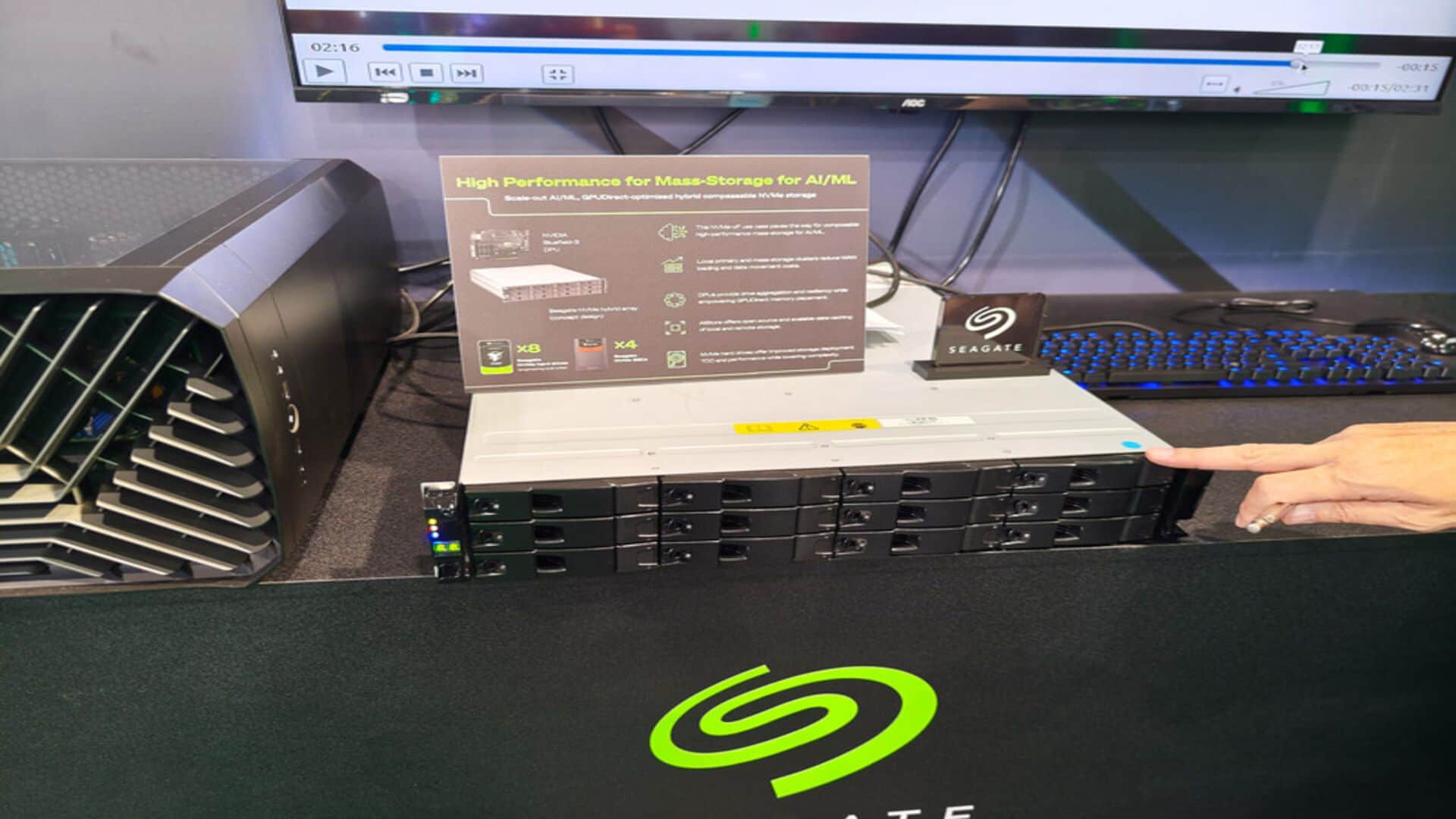
Image: TechRadar
Enterprise cloud customers are putting more pressure on hard-drive supply as AI systems generate larger datasets that must remain available after computation is complete. Seagate’s fiscal fourth-quarter and full-year 2026 results point to sustained demand from cloud data centers, although the company did not disclose whether customers have reserved HDD production through 2029.
AI demand puts mass-capacity HDDs first
AI workloads require substantial, economical storage for data retention, making high-capacity enterprise hard drives a central part of expanding cloud infrastructure. As organizations deploy larger models, the amount of information stored alongside those systems also increases.
Manufacturers are already booking supply commitments years ahead. The source reports that many HDD makers have contracts extending into 2028 and 2029, potentially leaving customers seeking drives that far out with limited available capacity.
Recommended reading
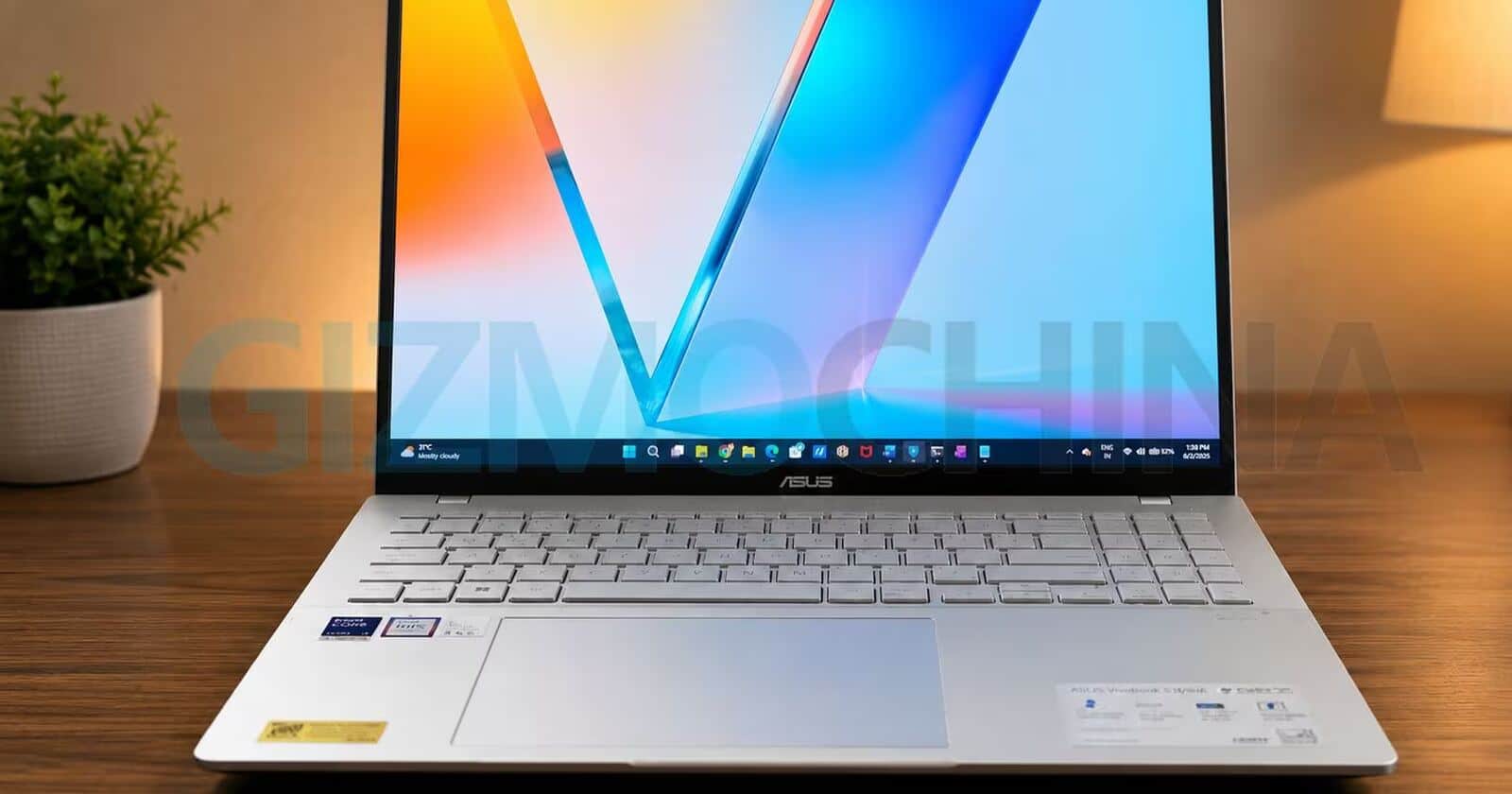
Asus Vivobook S16 brings a numpad to a 1.7kg laptop
Seagate said robust cloud data center demand supported its recent growth. The company expects exabyte demand to strengthen through its Mozaic platform and differentiated HAMR technology roadmap as enterprise deployments expand globally.
“As AI accelerates data generation and its value, we see durable long-term demand for mass capacity storage.”
Mosley did not explicitly say customers are reserving Seagate’s production through 2029. His comments do show that enterprise demand is now central to the company’s strategy.
Seagate’s fiscal 2026 results
Seagate’s financial performance provides further evidence of strong storage demand:
- Operating cash flow: $3.7 billion for fiscal 2026
- Free cash flow: $3.1 billion for fiscal 2026
- Fourth-quarter operating cash flow: $1.3 billion
- Debt reduction: $1.4 billion during fiscal 2026, including $302 million in the fourth quarter
- Ending debt: $3.6 billion
- Cash and cash equivalents: $1.7 billion
- Ordinary shares outstanding: 227 million
- Quarterly dividend: $0.74 per share
Annual revenue increased during fiscal 2026, and fourth-quarter revenue exceeded Seagate’s expectations. For the first quarter of fiscal 2027, the company expects revenue near $4.1 billion and non-GAAP diluted earnings per share of approximately $7.30, subject to stated variations.
“Our performance is being driven by robust cloud data center demand and disciplined execution, and we see the momentum continuing in 2027.”
Micron’s consumer exit offers a precedent
Seagate’s rival Micron has already redirected capacity toward enterprise customers. In 2025, Micron exited its Crucial consumer RAM business, saying the move would “improve supply and support for our larger, strategic customers in faster-growing segments.”
Seagate has not taken the same step with hard drives. The company’s results and comments, however, suggest that continued cloud demand could lead it to prioritize enterprise customers if current trends persist. The company has not announced any such allocation change or confirmed customer commitments through 2029.
Computing Editor
Tomas lives in the terminal. He covers chips, laptops, and operating systems with a focus on performance and efficiency. He reads kernel changelogs the way other people read fiction, and he's always on the hunt for the perfect mechanical keyboard switch. If it processes data, Tomas has an opinion on it.
via TechRadar