

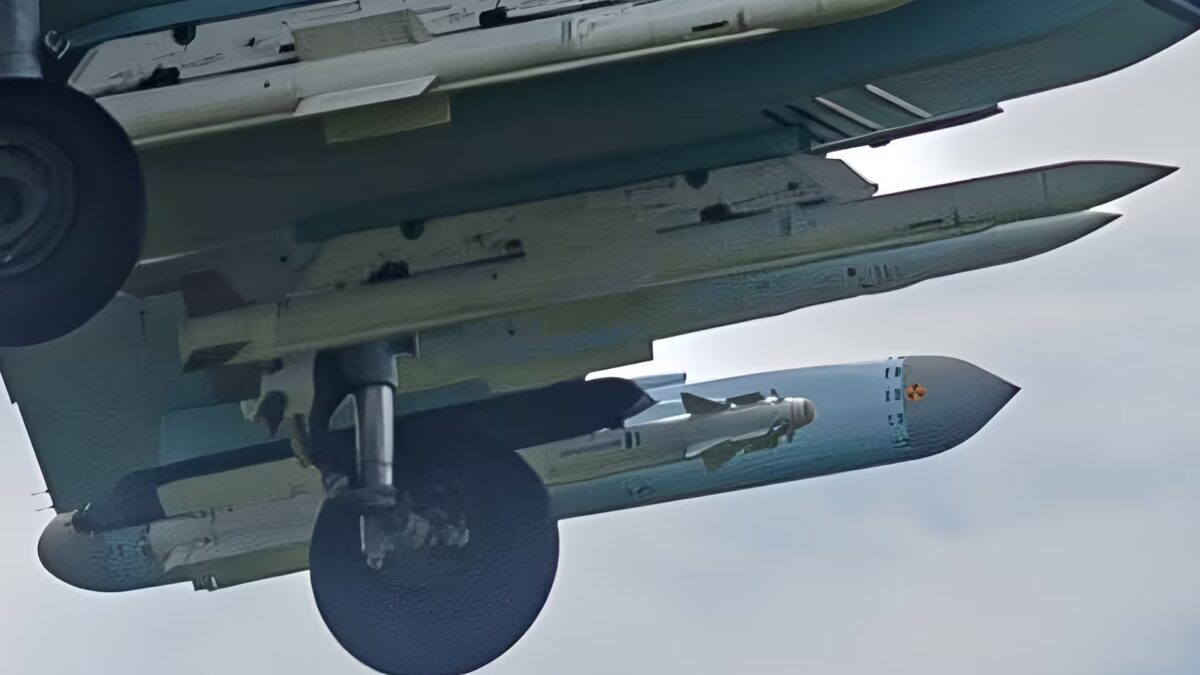
Russia’s long-range air-to-air missile, the R-37M, may have just set a new record with a confirmed intercept at around 190 kilometers. Primarily deployed on the MiG-31 and Su-35 fighters-aircraft designed to engage targets beyond visual range-this strike pushes the known combat reach of such missiles further than before.
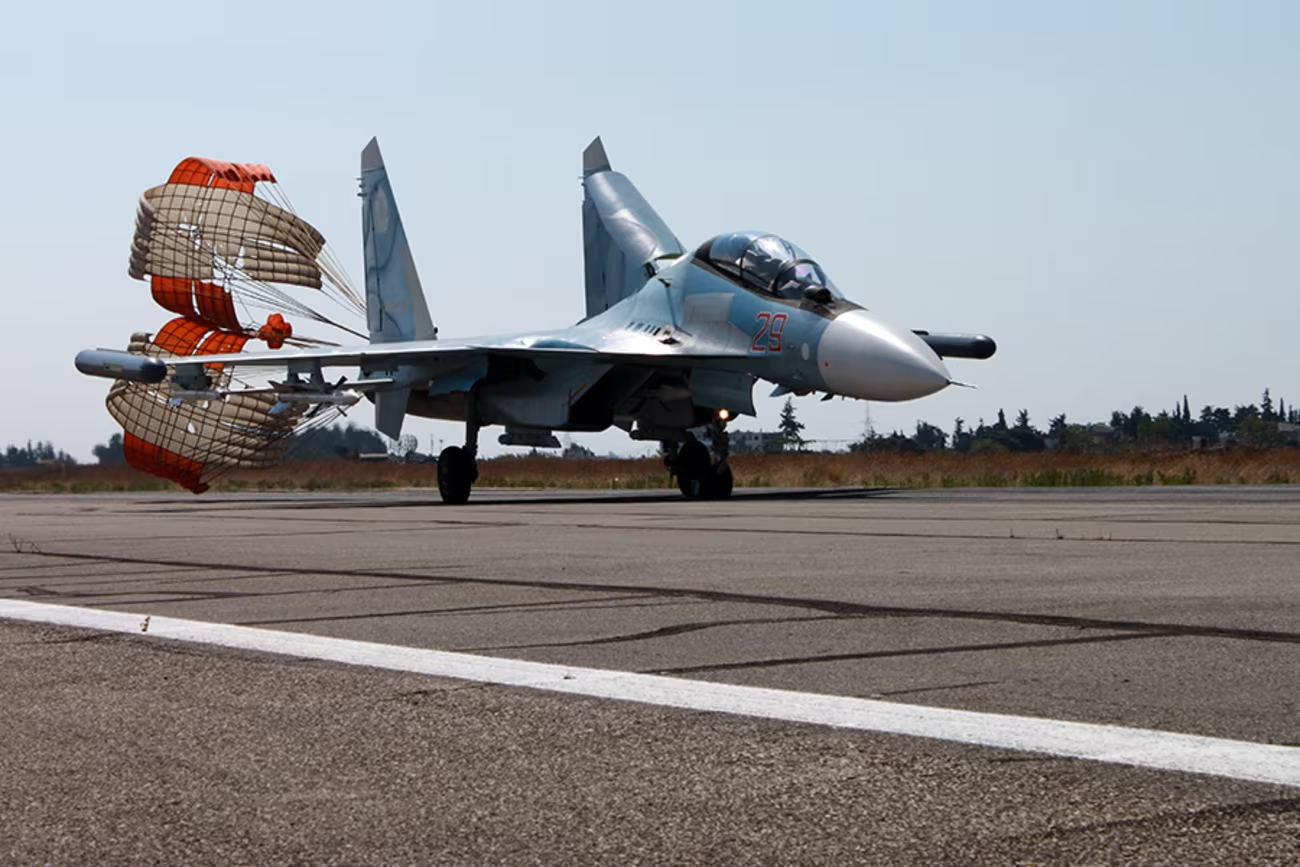
Previous operational ranges for missiles in this class were typically cited between 150 and 180 km. The newly reported 190 km intercept stands out, especially compared to the American AIM-120D AMRAAM, which has a similar claimed range of 180 to 190 km-but only from launches at high altitude.
The R-37M figure is reportedly based on an actual combat engagement rather than theoretical or promotional data.
The R-37M was initially developed for the MiG-31 supersonic interceptor before being adapted for the Su-35 multirole fighter. Public sources estimate its maximum range at about 400 km when launched from a MiG-31 and roughly 350 km from a Su-35. It travels at speeds near Mach 6, making it one of the fastest serial production missiles in its class.
Missiles with long reach like the R-37M target enemy support aircraft, reconnaissance planes, and airborne early warning and control (AEW&C) assets, as well as fighters operating far from the front lines. The key challenge isn’t just range, but how much kinetic energy the missile retains in the terminal phase. Many long-range weapons lose effectiveness sharply at extended distances, so a verified intercept at 190 km is more significant than the number alone suggests.
If this engagement can be independently confirmed, the R-37M would set a new benchmark for long-range air-to-air missiles. Previous well-documented combat hits generally maxed out near 180 km, so even a 10-20 km increase is notable for tactical air combat.
For international readers, Russia’s long-range missile development aims to counter high-value aerial targets outside traditional combat zones-similar in intent to what the U.S. and its allies pursue with missiles like the AIM-120D and the longer-range AIM-260 JATM under development. While Western missiles emphasize networked targeting and advanced seeker technology, Russia has focused on sheer speed and extended range to challenge early warning and support aircraft that shape the skies.
Looking ahead, confirmation of the R-37M’s real combat stamina will shape future fighter and missile development strategies. Will Western air-to-air missiles push beyond these distances with similar reliability? Can Russia maintain this edge, or will improvements in missile defense and stealth technologies narrow the gap? The next few years in aerial weapons development promise a high-stakes race for beyond-visual-range dominance.