• 3 min read
Bayer’s corn fields now have robot dog guards
Bayer is using robot dogs from Asylon to patrol its 8,000-acre corn farm in Hawaii, giving the company a new kind of corn field security. The move shows how expensive crop protection is moving further into the same autom
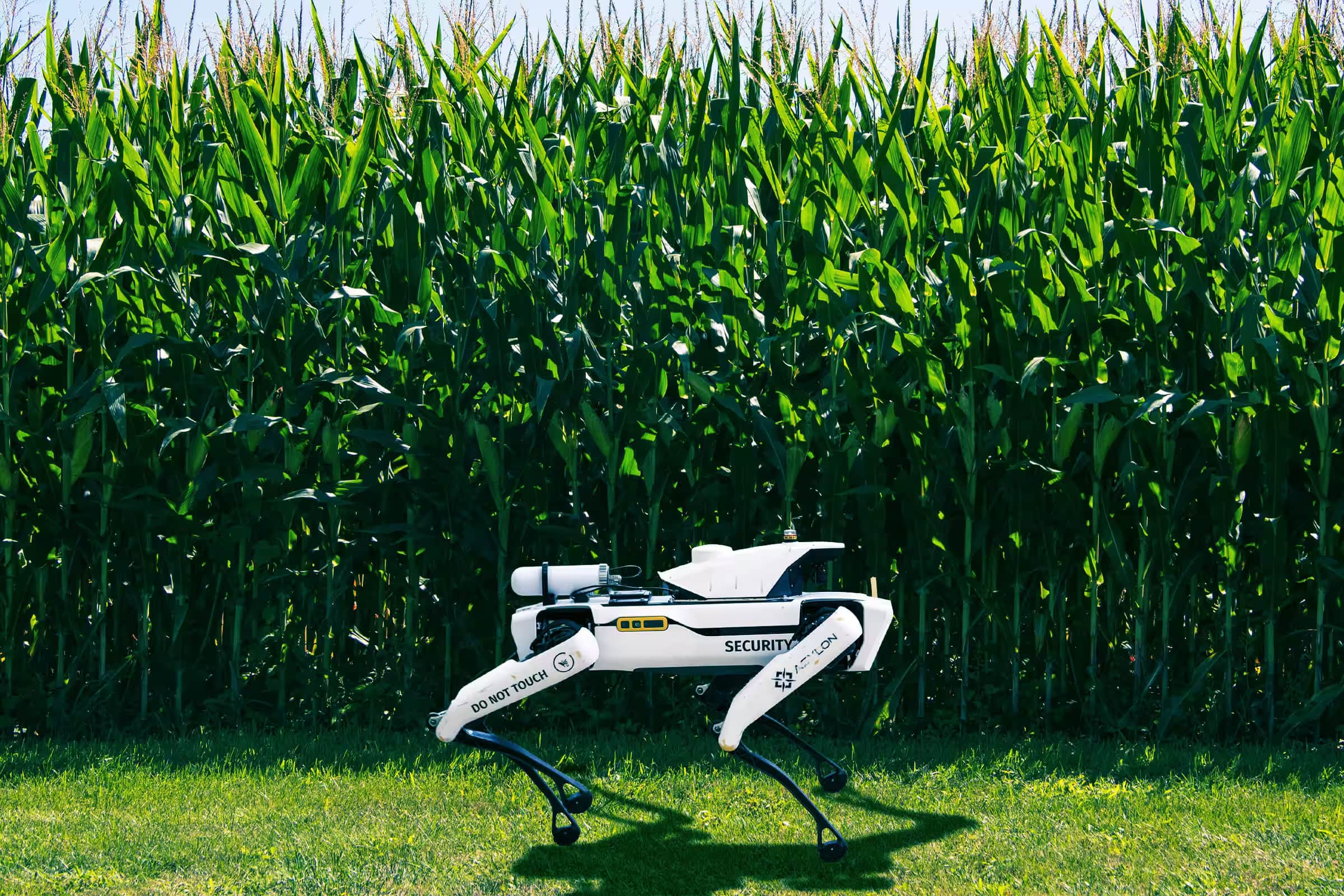
Image: futurism.com
Bayer is using robot dogs from Asylon to patrol its 8,000-acre corn farm in Hawaii, giving the company a new kind of corn field security. The move shows how expensive crop protection is moving further into the same automation playbook already used for data centers, borders, and private estates.
The setup sounds like something cooked up by a satirist, but the economics are straightforward: raw corn can be worth a lot, especially when a single site accounts for most of a company’s export volume. The robots are there to watch for vandals, fires, animals, and anything else that might chew through a very pricey field before a human guard can get there.
How Bayer is using Asylon robot dogs
According to industry publication the Fence Post, the company is supplementing human patrols with Asylon’s security robots around its Hawaiian corn operation. Each unit carries thermal cameras and electro-optical sensors, the same broad class of kit that shows up in military drones and high-end surveillance systems.
The machines also connect back to both Bayer’s Hawaii Security Operations Centre and Asylon’s own monitoring hub. That means the dogs are not freelancing in a field like some sci-fi mascot; they are part of a layered security system built to spot trouble early and keep people from having to do every lap themselves.
Why this corn field security is so expensive
FenPo says Bayer’s Hawaiian holdings account for 90% of the company’s international feed corn exports. It also puts the value at more than $900,000 in crop investment alone, using an average cost of $113.50 per acre, before you even get to what the harvest might fetch on the wider market.
Recommended reading
Graphite One advances Ohio battery-materials plant
That kind of protection budget makes more sense when you look at the broader industrial corn machine, which generated $123 billion in revenue in 2024 alone. In other words, these are not novelty robots wandering around a hobby farm; they are guarding part of a massive commercial system where a lost field can mean real money, not a bad day.
Food insecurity makes the image harder to ignore
The timing is what gives the story its bite. Farmers are warning about price spikes after disruption to about one-third of the world’s fertilizer supply, and the Food and Agriculture Organization says 2.3 billion people already face moderate to severe food insecurity.
That’s the odd split screen here: a planet under strain, and a premium crop protected by autonomous security hardware. The logic is cold, but not mysterious. When fertilizer, fuel, irrigation, and transport all get more expensive, companies will spend more on surveillance if it helps prevent losses they can’t easily absorb.
So the question is not whether robot dogs can patrol cornfields. They clearly can. The sharper question is how many more parts of agriculture will get wrapped in this kind of machine-led security while the cost of food keeps doing exactly what no one wants it to do.

Frontier Editor
Dan is our resident futurist, covering electric mobility, space exploration, and the smart home. He's interested in atoms just as much as bits. Whether it's a new battery chemistry, a reusable rocket, or a protocol that finally makes IoT devices talk to each other, Dan breaks down the engineering that pushes humanity forward.
via futurism.com