• 3 min read
iPhone satellite features are headed for a bigger upgrade
Apple’s satellite features are about to change hands. Amazon said it plans to acquire Globalstar, the company behind Apple’s current satellite features on the iPhone 14 and newer and the Apple Watch Ultra 3, and it has a
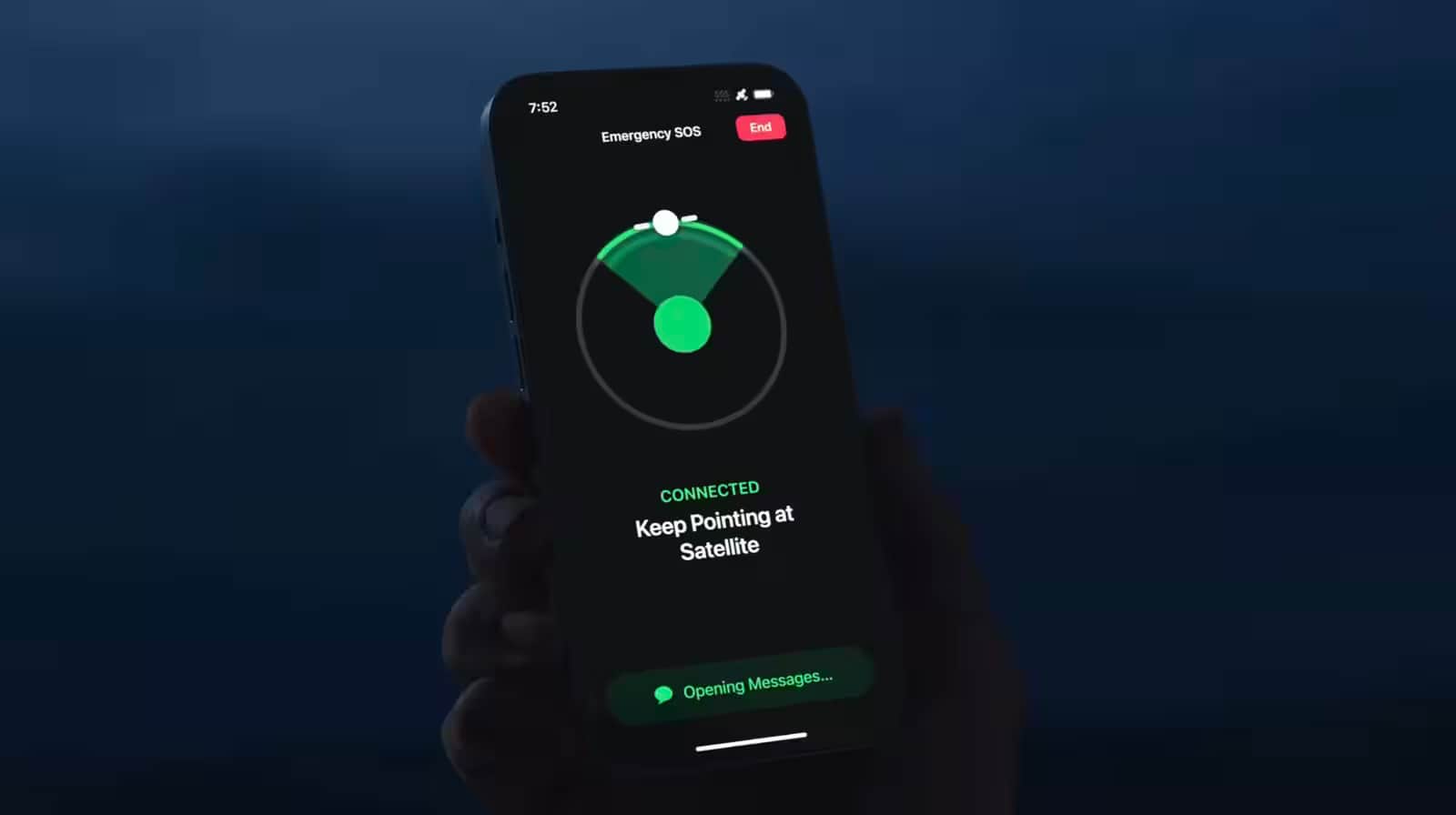
Image: MacRumors
Apple’s satellite features are about to change hands. Amazon said it plans to acquire Globalstar, the company behind Apple’s current satellite features on the iPhone 14 and newer and the Apple Watch Ultra 3, and it has already signed an agreement with Apple to keep satellite connectivity flowing for current and future iPhone and Apple Watch features. If regulators sign off, the deal is expected to close in 2027, with Apple’s features then running on Amazon Leo satellites.
That sounds like infrastructure trivia, but it is really a clue about where Apple wants satellite support to go: from emergency-only backup to something far more ordinary. The company’s current features are still free in supported areas without Wi-Fi or cellular connectivity, yet the next wave could make satellite a real utility instead of a last-resort lifeline.
What Apple’s current satellite features already do
Right now, Apple offers four satellite-based tools:
- Emergency SOS via satellite
- Find My via satellite
- Roadside Assistance via satellite
- Messages via satellite
Availability varies by country, which is the fine print Apple can never quite escape. Still, the company has managed to make satellite feel less like a sci-fi demo and more like a feature people might actually rely on.
Recommended reading
Oppo A7 Pro Max leak points to a 10,000mAh battery
Five more iPhone satellite features are already rumored
Before Amazon even stepped in, there were already five satellite upgrades rumored for the iPhone. Some could arrive with iOS 27, which is expected to enter beta in June and be released widely in September this year. The list is the sort of thing that makes the current setup look positively bare-bones.
- 5G via satellite, possibly limited to iPhone 18 Pro and iPhone 18 Pro Max
- Apple Maps via satellite
- Photos support for Messages via satellite
- Third-party app support for Apple’s satellite features
- The ability to connect without pointing the iPhone toward the sky
That last one may be the most practical of the bunch. If Apple can reduce the awkward “hold your phone exactly this way” ritual, satellite service stops feeling like a survival drill and starts looking like a feature normal people might use on purpose.
Amazon gives Apple room to expand satellite features
Amazon’s announcement also pointed to future features, which suggests this is not just about preserving the status quo. That fits a broader pattern in consumer tech: once a premium feature proves useful, the next step is usually to turn it into a platform. Apple did that with emergency calling, and the market is now pushing satellite connectivity toward messaging, maps, and app integration rather than one-off rescue tools.
In other words, Apple is not buying a backup plan anymore. It is building a capability stack, and Amazon just became a bigger part of the machinery underneath it. The open question is how far Apple wants to go once satellite stops being exotic and starts being expected.

Gadgets Editor
Eli is obsessed with the tangible future. He reviews phones, wearables, and everything with a battery. Known for his rigorous testing protocols and unabashed teardowns, Eli has broken more review units than he cares to admit, all in the name of discovering the truth about durability and repairability.
via MacRumors