• 3 min read
Project Helix may launch dearer as memory costs bite Microsoft
Microsoft is already warning that its next console, Project Helix, may arrive with an awkward problem: memory is getting more expensive, and that could push the console higher in price while also making it harder to buy.
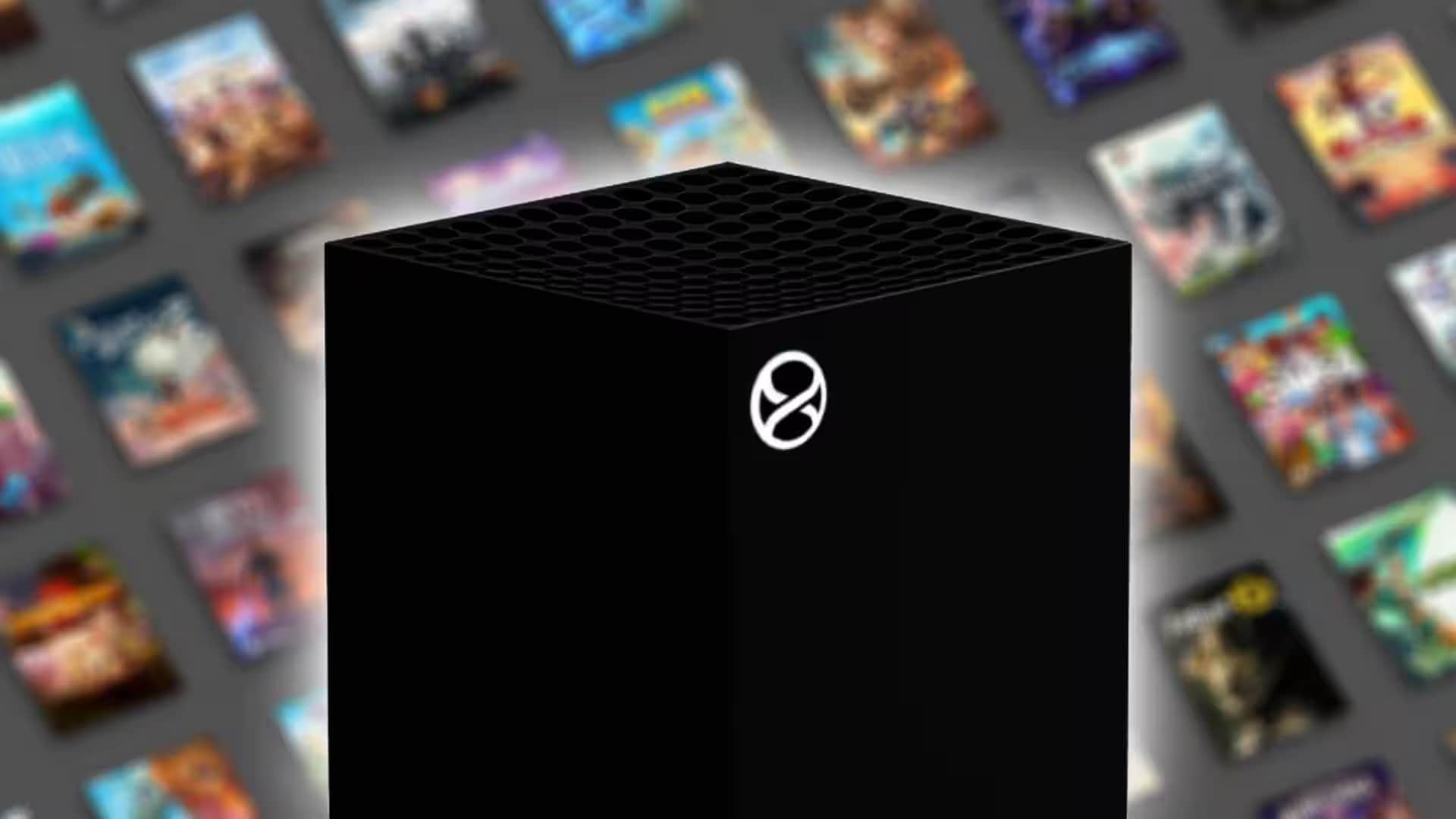
Microsoft is already warning that its next console, Project Helix, may arrive with an awkward problem: memory is getting more expensive, and that could push the console higher in price while also making it harder to buy. That is not the kind of headline any hardware team wants before launch. It also suggests Microsoft is less interested in eating the cost itself than in protecting margins, which is a very different strategy from the aggressive pricing that helped some past consoles win early momentum.
The warning came from Asha Sharma, who recently took over Microsoft’s gaming division and has already started reshaping the subscription side of the business. On 21 April, Xbox Game Pass Ultimate dropped from $29.99 to $22.99 a month, while PC Game Pass fell from $16.49 to $13.99. At the same time, Microsoft stopped adding new Call of Duty titles on day one, shifting those games to the service only after 12 months. That is a pretty clear signal: the company is tightening the economics around gaming, not loosening them.
Memory prices could shape Project Helix pricing
Sharma said the shortage and rising cost of memory will directly affect Project Helix pricing and could also hit availability. Microsoft has not announced a launch date yet, but development is said to be moving forward, and partner devkits are expected to start going out next year. That part matters because devkit shipments usually mean the hardware is moving from slide-deck territory into real production planning.
The sting here is simple: if component costs stay elevated, Microsoft may have to launch with a pricier box or absorb less margin than it wants. Neither is ideal. Sony and Nintendo have both learned that hardware pricing can shape early demand as much as raw specs do, and Microsoft now looks set to face that same old console math all over again.
Recommended reading
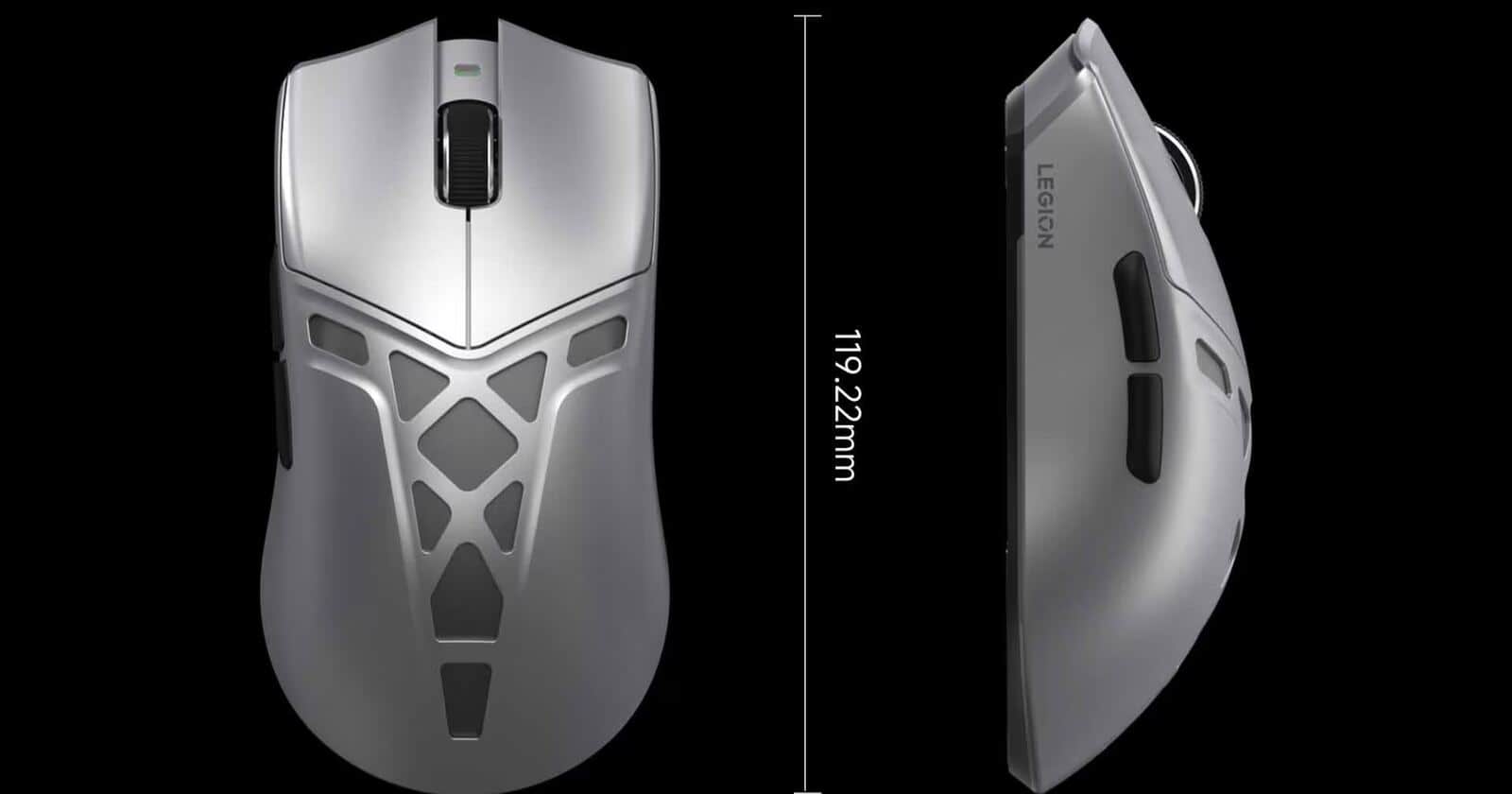
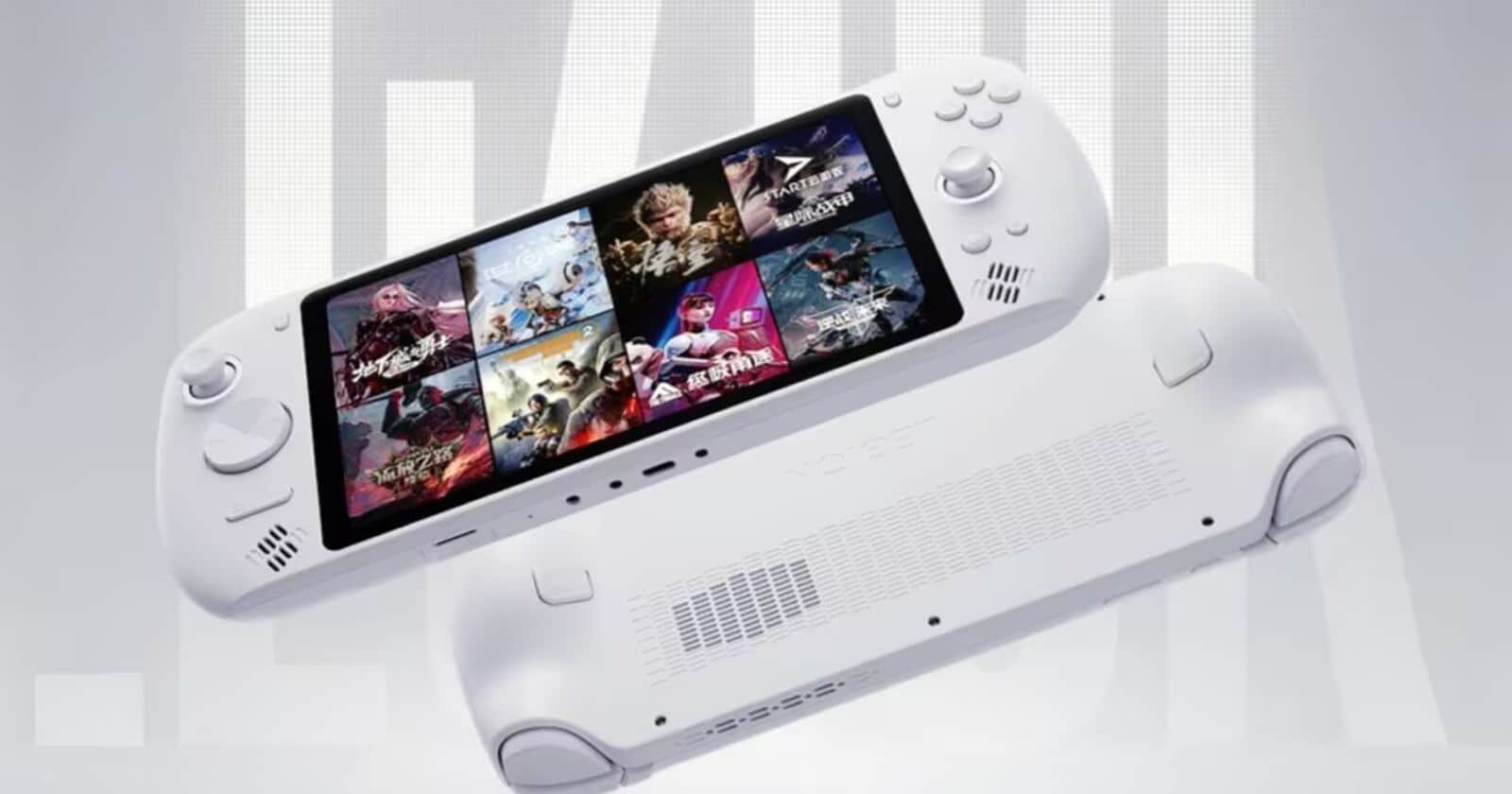
Lenovo teases Legion C700 with 10 ms streaming claim
No promise of a subsidy
Sharma also made it clear that Microsoft is unlikely to subsidize the console to force a lower consumer price. That is the kind of answer that tends to make launch-day watchers wince, because subsidies have long been the classic way to soften the blow of expensive hardware. If Microsoft sticks to that line, Project Helix could arrive in a market where buyers are already paying more for memory, storage, and just about everything else that goes into a modern console.
She also left the door open, at least in theory, to a return to full Xbox exclusives, saying no final decision has been made. For now, though, the bigger story is simpler: Microsoft is preparing a new console while the bill of materials is going the wrong way. That tends to make “availability” and “price” the same problem with two different labels.
Culture Editor
Maya explores gaming, streaming, and the internet as a place where people actually live. From deep-dives into creator economies to the anthropology of digital communities, she tracks platform drama and cultural shifts so you don't have to. She believes the best tech stories are fundamentally about human behavior.