

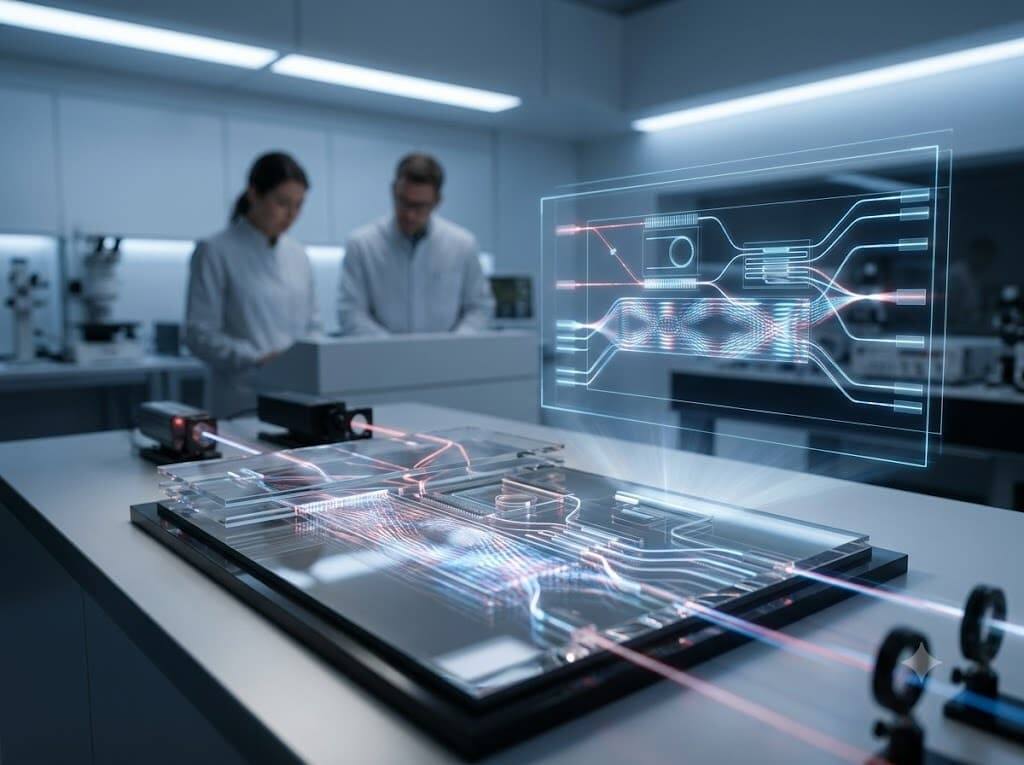
Chinese researchers have built a digital twin for an optical computer, and that may be the unglamorous breakthrough the field needed most. The open DT-OCS platform can mimic a real photonic system closely enough that scientists can train and tune algorithms in software first, then transfer those settings to hardware with little to no extra adjustment.
That matters because optical computing has long had a lab bottleneck: the equipment is expensive, limited, and usually booked solid. DT-OCS is meant to break that queue, letting multiple teams work in parallel instead of fighting over one setup like it is the last seat on a train.
How DT-OCS mirrors the hardware
The system, described in Opto-Electronic Advances, creates a software model of an optical computer that reproduces its behavior under different settings without needing the physical machine every time. In tests, the researchers used a high-speed optical computing platform and a silicon-photonics chip, then checked the setup on image classification and sequential decision-making tasks.
The interesting part is not just that the virtual model works, but that the optimized parameters transfer to the real system directly. The team says the measured performance of the physical setup closely matched what the digital twin predicted, which is exactly what you want from a tool built to save time and calibration headaches.
What researchers get from an open digital twin platform
- Training and parameter search can happen mostly in software.
- Multiple groups can develop different tasks at the same time.
- Other labs can test algorithms without owning optical hardware.
- Results are easier to reproduce because the software and hardware are aligned.
That open-access angle is the real strategic move. In a field still trying to move from specialist demo rigs to something more practical, a shared software layer can do for photonics what simulators did for other kinds of computing: lower the barrier, widen the user base, and expose weak points before expensive hardware time is wasted.
Why optical computing still needs software scaffolding
Optical computing is often pitched as a way to speed up AI while cutting energy use, but the research infrastructure has lagged behind the promise. DT-OCS suggests that a mature photonics platform may need both halves at once: the physical device and a faithful software stand-in that behaves the same way.
If that idea catches on, optical computers could stop feeling like rare lab curiosities and start looking more like a shared research stack. The next question is whether other teams will trust the twin enough to build on it at scale, or whether every lab will still insist on touching the hardware before believing the result.