

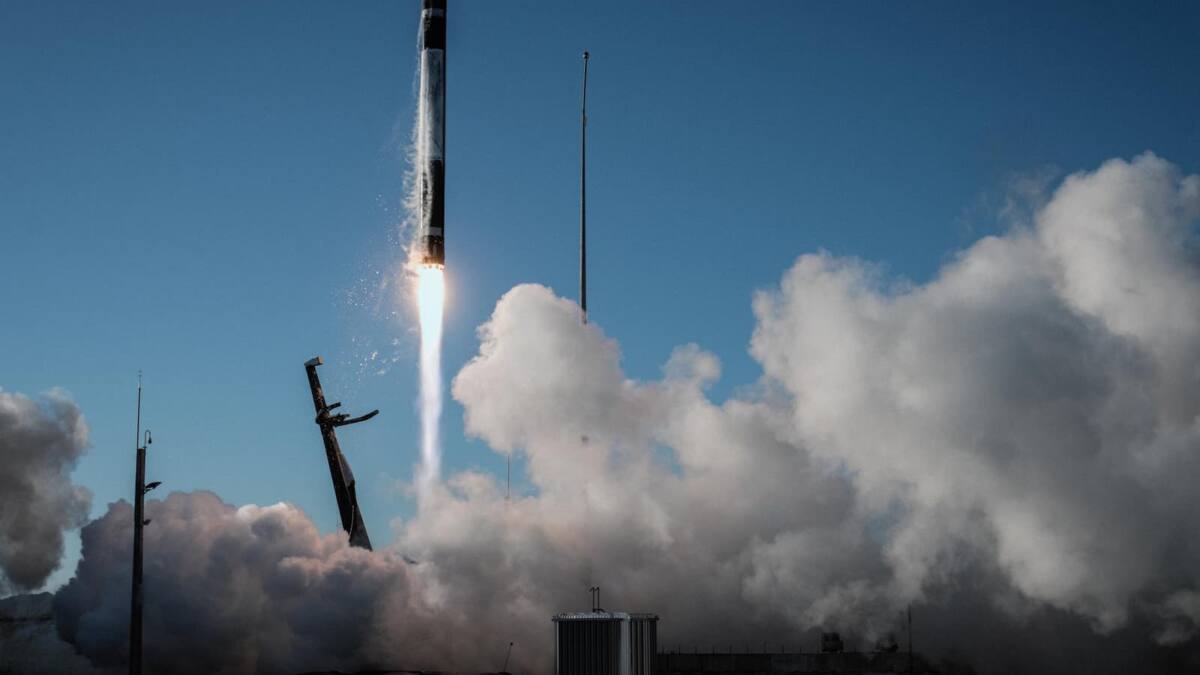
NASA has tapped Rocket Lab’s Electron to launch two new science missions, PolSIR and TSIS-2, under the VADR program. The move is another sign that NASA is increasingly using smaller launchers for targeted science payloads instead of defaulting to larger rockets.
Both missions are slated for 2027. PolSIR is set to fly no earlier than June 2027 from Mahia, New Zealand, while TSIS-2 is scheduled for early 2027 from Launch Complex 1.
PolSIR science mission will measure ice clouds
PolSIR, short for Polarized Submillimeter Ice-cloud Radiometer, will send two 16U CubeSats into separate orbits. Their job is to study ice clouds in tropical and subtropical regions, tracking how ice content shifts over the course of a day and how that affects atmospheric processes and Earth’s radiation balance.
That kind of measurement sounds narrow, but climate science runs on narrow measurements. The more precisely researchers can observe clouds and radiation, the less they have to rely on broad guesses that make models wobblier than they should be.
TSIS-2 will measure solar radiation
TSIS-2 will measure the solar radiation reaching Earth, capturing both total energy and its spectral split across ultraviolet, visible, and infrared wavelengths. Those readings feed directly into climate and weather models, where the Sun is the original source of both comfort and headaches.
The mission uses instruments developed by US research institutions including Vanderbilt University, the University of Wisconsin, and the Laboratory for Atmospheric and Space Physics at the University of Colorado. Rocket Lab will handle integration and launch from Launch Complex 1, which keeps the whole stack nicely within a familiar Electron workflow.
Why NASA keeps buying small launchers
NASA’s choice fits a broader pattern: smaller missions are increasingly being assigned to smaller rockets, rather than being bundled into overcrowded rideshares or waiting years for a bigger vehicle. The agency gets more targeted launches, and companies like Rocket Lab get a stronger case that Electron can do serious science, not just prove it can survive the ride.
- Rocket: Electron
- Program: VADR
- PolSIR launch window: no earlier than June 2027
- TSIS-2 launch timing: early 2027
- Launch sites: Mahia, New Zealand, and Launch Complex 1
The open question is whether this becomes a routine pipeline for Electron or just another pair of wins in a very long queue of science missions. If NASA keeps splitting modest payloads off from bigger launchers, Rocket Lab has a lot more room to grow than its size suggests.