

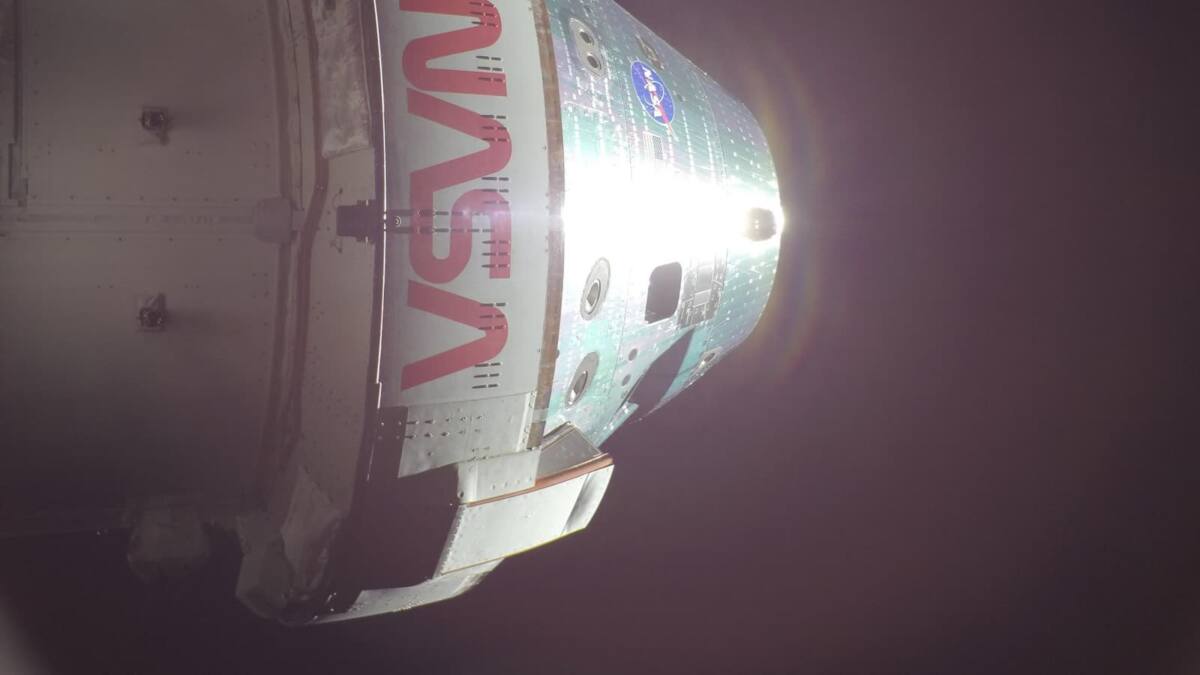
NASA wants to turn lunar missions into a routine, not a headline. Starting in 2027, the agency plans to send uncrewed spacecraft to the Moon almost every month, with the first test flights possibly beginning this year as part of a push to build infrastructure for a permanent base near the lunar south pole. The plan is part of NASA’s broader Moon strategy, with the first test flights possibly beginning this year.
The pitch is bigger than a series of robotic landings. NASA is treating the Moon as a proving ground for the machinery, logistics, and construction methods it will need for deeper spaceflight, including future human missions to Mars. That is a familiar pattern in space history: first you industrialize the transport, then you talk about settling the frontier. The difference is the cadence this time – monthly launches are a serious attempt to make lunar operations feel boring, which is exactly what any base-building program needs.
A lunar base at the south pole
In an interview with Fox News, NASA chief Jared Isaacman said the agency’s immediate goal is to prepare for a permanent American outpost in the Moon’s south polar region. That location is no accident: it is one of the most strategically interesting places on the Moon because it is tied to resource access and long-term habitation planning.
Robotic landers will do the dull but essential work first. They will test landing systems, surface operations, and construction techniques before astronauts arrive, and that matters because lunar hardware has a habit of becoming expensive in a hurry once it has to survive dust, extreme temperatures, and the lack of easy repairs.
Artemis, Mars and the long runway ahead
The timeline NASA is describing still stretches across several milestones. Under the current Artemis schedule, American astronauts are supposed to land on the Moon in 2028, while the first crewed mission to Mars is aimed at around the middle of the 2030s.
That leaves NASA trying to do two things at once: land humans on the Moon and make the Moon useful. The agency’s monthly-launch plan suggests it is betting that robotic construction, not just exploration, will be the bridge between those goals. If the cadence holds, the next question is whether the United States can keep that pace without the program slipping back into the old pattern of delays, reboots, and very expensive optimism.