

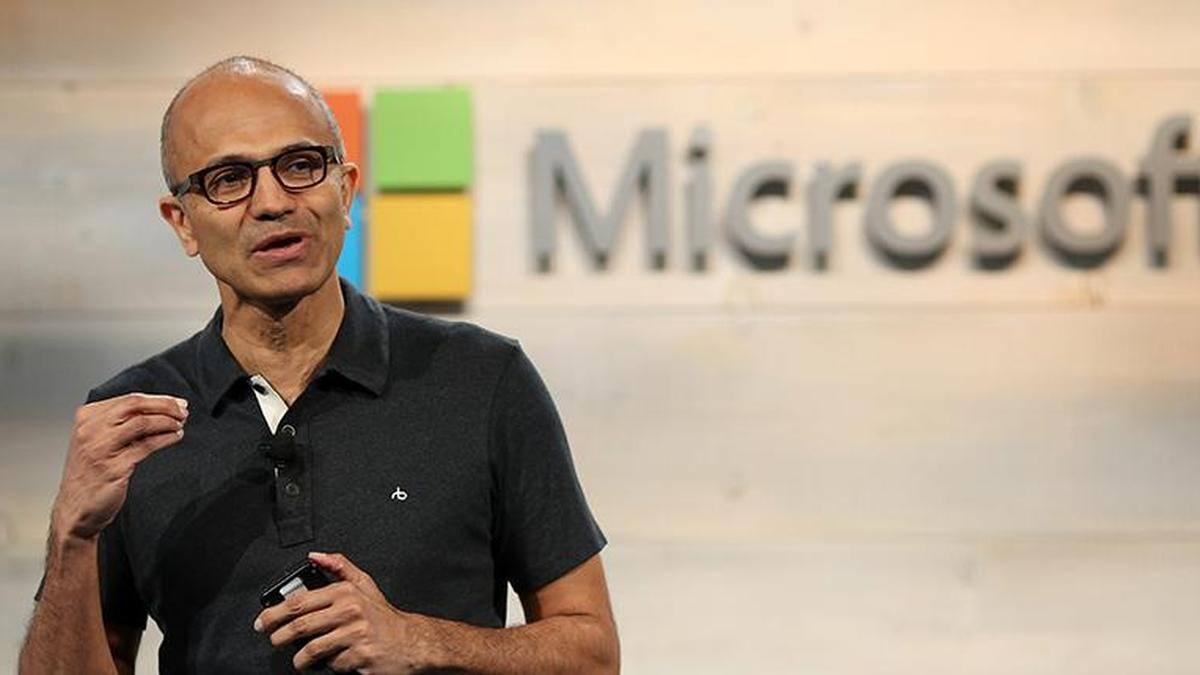
Microsoft CEO Satya Nadella is set to testify in Elon Musk’s lawsuit against OpenAI, putting one of the most powerful backers of generative AI on the spot over emails that may help Musk argue the startup drifted from its nonprofit roots. The appearance comes as the OpenAI trial moves toward a verdict and could shape the company’s planned future, including its push toward a more conventional corporate structure.
The hearing is turning into a very Silicon Valley kind of morality play: founders, investors, and executives arguing over mission statements while everyone quietly counts the billions. Microsoft is not just a side character here. Its investment turned into one of the most valuable AI bets on the planet, which is exactly why Musk wants the jury to believe the company knew what it was helping build.
Microsoft’s 2018 emails are the new battleground
Musk’s lawyers plan to focus on Microsoft emails from January 2018, when Nadella discussed a discount for OpenAI’s use of Azure computing power. The messages, they argue, show Microsoft was evaluating the startup less as a charity project and more as a possible commercial asset once profit looked plausible.
Nadella wrote that he could not tell what research OpenAI was doing or how sharing it might help Microsoft get ahead. He also repeated Musk’s own view that OpenAI was nearing major AGI breakthroughs, while another Microsoft executive sounded wary that the startup could simply bolt to Amazon. That kind of corporate paranoia is rarely printed on a glossy slide deck, but it tends to show up nicely in court.
From donations to a $228 billion stake
In 2019, Microsoft invested $1 billion in OpenAI after stepping back from the startup earlier. The company eventually put in $13 billion in total, and that position is now valued at $228 billion, according to figures cited in the trial. For a company that says it merely backed innovation, that is a spectacular return on trust.
Musk says his $38 million in founding donations were meant for a nonprofit mission, not to seed what he calls an empire valued at over $850 billion. OpenAI responds that Musk walked away after failing to gain majority control and later became a direct rival through xAI. That rivalry matters because this is no longer just about old friendships gone sour; it is about who gets to define the rules for the next wave of AI.
What the jury is being asked to decide
An advisory jury is expected to weigh wrongdoing by the week of May 18, after which Judge Yvonne Gonzalez Rogers will make the final ruling on liability and remedies. She has signaled she is likely to follow the jury’s advice. If she sides with Musk, OpenAI’s path to an initial public offering could be thrown into doubt.
OpenAI’s bosses are not the only ones under scrutiny. Last week, co-founder Greg Brockman was pressed over diary entries that appeared to show a hard-nosed interest in money, while Musk’s side also highlighted his own alleged physical threat toward Brockman in 2017. The trial has become a tidy reminder that the AI boom was built by people who like to talk about humanity’s future and argue like hedge fund managers.
Anthropic, Google and xAI are watching closely
If Musk wins even partially, the ripple effects could reach beyond OpenAI. A forced change in the company’s structure would sharpen competition with Anthropic, Google, and China’s DeepSeek, while Microsoft would be left defending one of the biggest strategic investments in tech history. Musk’s own partnership with Anthropic, announced on Wednesday, only makes the corporate chessboard messier.
The most likely outcome is not a neat legal clean-up but a longer fight over control, mission, and money. Nadella’s testimony may not settle whether OpenAI betrayed its origins, but it should make one thing clearer: the biggest names in AI are now litigating the price of getting rich before the rules were finished.