

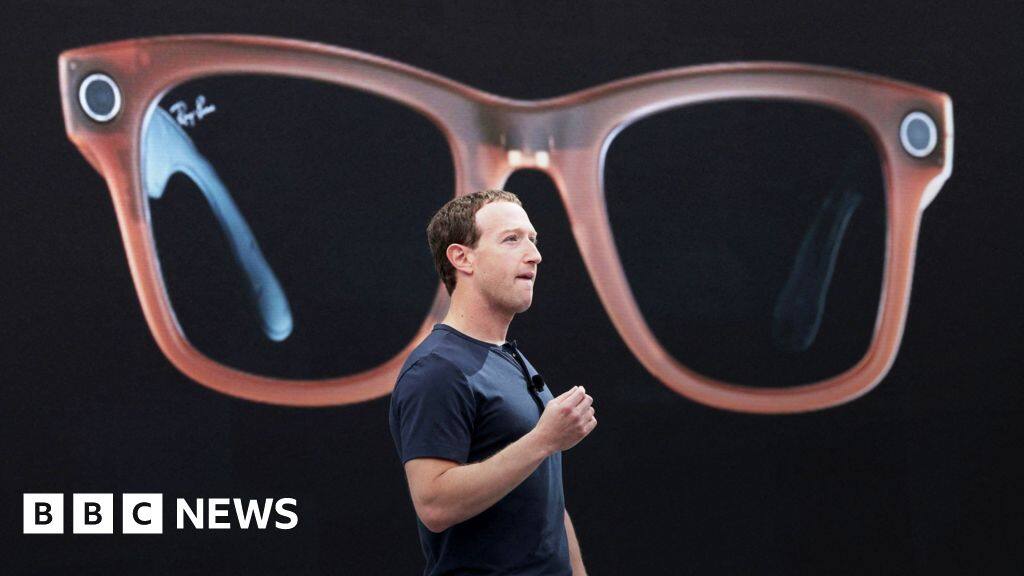
Meta’s Ray-Ban smart glasses are selling fast, but they are also making people deeply uneasy. The problem is not just the camera in the frame; it is how easy it is to record someone without their knowledge, how hard it is to prove harm later, and how quickly that footage can end up online or in AI training pipelines.
That combination is helping the product grow even as complaints pile up. Meta is estimated to account for more than 80% of AI or smart glasses sales, and the glasses, made with EssilorLuxottica, look like ordinary Ray-Bans while hiding a camera, including speakers in the arms, and showing information in the lenses.
How Meta’s Ray-Ban smart glasses work
The appeal is obvious. A wearer can tap the frames to start video or take a photo without fumbling for a phone. That also makes the device nearly invisible in a social setting, which is exactly why critics say it crosses from convenience into surveillance with a stylish logo attached.
This is a familiar pattern in consumer tech: the first company to make a category feel normal often gets to define the rules, at least for a while. Apple did it with wearables, Google tried it with Glass years ago, and Meta is now trying again with a product that looks less futuristic and therefore far easier to normalize.
Women are finding out after the fact
The more troubling stories involve men using the glasses in public to film women while asking casual questions or pick-up lines, often without consent. The women usually discover the videos only after they start circulating online, where abuse can spread faster than any takedown request.
That is where the legal gray area does a lot of damage. Filming in public is broadly legal in many places, which leaves the people being recorded with little leverage once the clip exists. In one reported case, a woman who asked for a secret recording of her to be removed was told it was a ”paid service” to take it down, a response that says plenty about the incentives here.
The AI training backlash
The privacy complaints do not stop at social misuse. After workers in Kenya said they were being asked to review videos made through Meta’s glasses, including graphic material such as sex and bathroom usage, people who own the device filed lawsuits. One suit argued users had not known those videos were being made; another said they had not known the footage was being shared for review.
That is the part Meta cannot really hand-wave away. A product can be marketed as a sleek hands-free camera, but once the footage is fed into human review systems, the company is no longer selling just a gadget; it is selling a data machine with a social side effect.
Meta Ray-Ban smart glasses privacy concerns
Meta has the lead because it moved first and made the device look familiar rather than nerdy. The open question is whether that advantage survives once more people realize the camera is not only recording what the wearer sees, but also changing what everyone around them can safely do in public.