

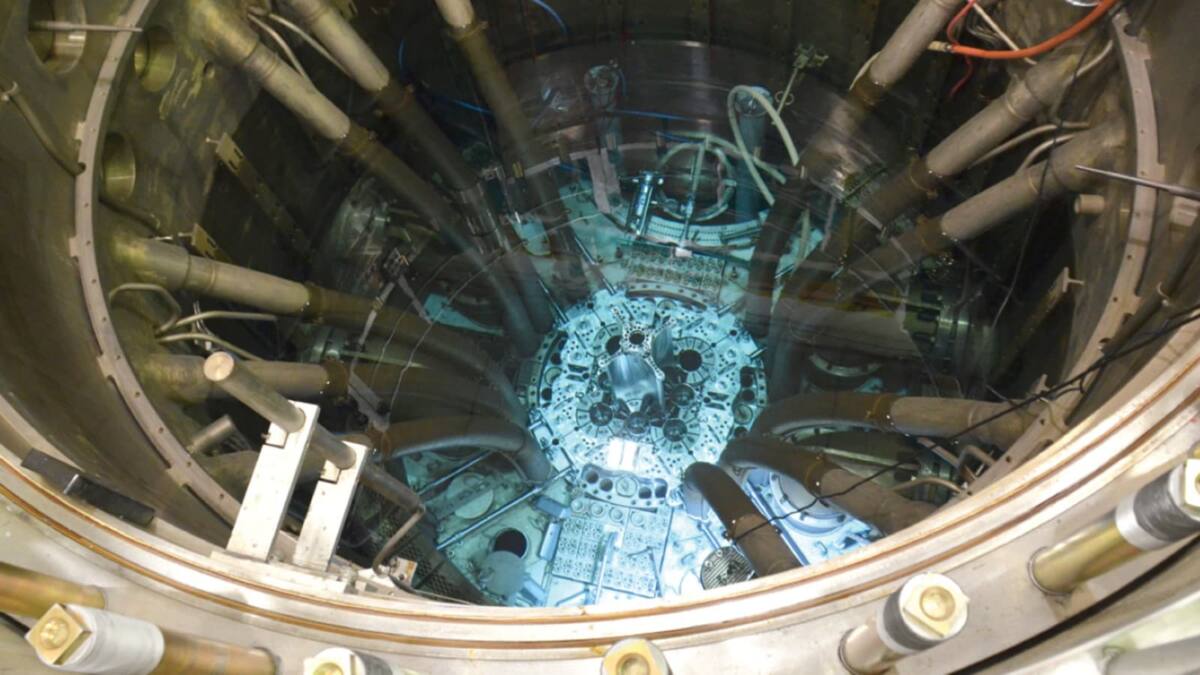
Lightbridge has pulled its first irradiated fuel samples from the Advanced Test Reactor at the Idaho National Laboratory, a milestone that moves its next-generation metal fuel from theory and lab work into the far less forgiving world of reactor testing. The company says the samples have been in the reactor since 6 May 2026, where they were exposed using its FAST method, a shortcut designed to simulate long periods of operation in a power reactor.
That matters because nuclear fuel vendors do not get to win on promises alone. They have to show regulators and utilities that the material behaves predictably under neutron bombardment, survives the heat, and still looks sane enough to license for commercial use. Lightbridge is trying to do exactly that, while also pitching the fuel as a cleaner fit for both existing light-water and heavy-water reactors, plus future small modular reactors.
What Lightbridge pulled from the ATR
The company’s first irradiated samples are now headed for several months of cooling before detailed inspection begins. Researchers will look at how the material’s structure changed under neutron exposure and compare that with their calculation models, the unglamorous but essential step that decides whether a clever design survives contact with reality.
Lightbridge says the tests are meant to validate safety, performance, and possible economic advantages over conventional fuel assemblies used in today’s nuclear plants. Chief executive Seth Grae said the early results support the engineering choices built into the fuel design, which is the sort of statement every nuclear startup hopes it can make before the hard numbers show up.
FAST testing at the Advanced Test Reactor
FAST, or Fission Accelerated Steady-state Testing, is designed to compress time by using a high-intensity neutron flux generated by highly enriched uranium fuel. In plain English: it lets engineers stress fuel much faster than a commercial reactor would, which is useful when you are trying to prove durability without waiting around for years.
The choice of ATR is no small thing. The reactor is considered one of the most powerful research reactors in the world, so getting test material through it gives Lightbridge a serious credibility boost. It also places the project in a broader industry push: established reactor vendors are looking for higher-performing fuel, while advanced reactor developers want materials data badly enough to make the paperwork look exciting.
The licensing road still comes next
Lightbridge’s metal fuel is being developed for existing reactor fleets first, with SMRs in view later. That sequencing is smart; reactors already on the grid are where the quickest commercial case lives, while small modular reactors remain more of a long bet than a volume market.
INL says the project will deepen understanding of how new fuel types behave under radiation, which is exactly the kind of evidence fuel developers need before regulators take them seriously. The next few months will not deliver a final verdict, but they will show whether Lightbridge has a workable fuel concept or just an elegant one.