

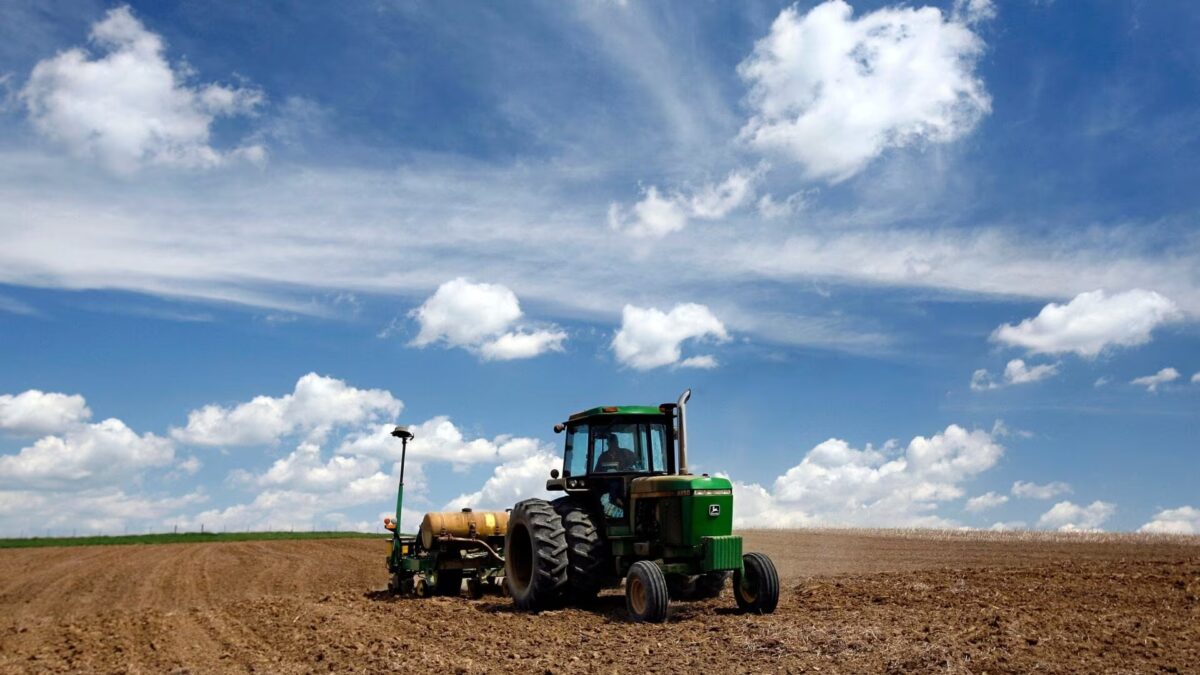
John Deere has settled a high-profile legal battle with the US Federal Trade Commission (FTC) and five states, committing to open up its tractor repair tools and software to farmers and independent repair shops for the next decade. This deal marks a major victory in the right-to-repair movement beyond consumer electronics, making it far harder for John Deere to lock farmers into using authorized dealers exclusively through software restrictions.

The FTC lawsuit, filed in 2025 alongside Arizona, Illinois, Michigan, Minnesota, and Wisconsin, accused John Deere of illegally restricting access to critical repair resources-specifically the software tools needed to service the electronic components in tractors and combines. Until now, only authorized dealer networks had the full suite of diagnostic and programming utilities, forcing many farmers to rely on official servicing during peak seasons when downtime costs can be devastating.
This dispute goes well beyond mechanics and grease. Modern agricultural machinery is packed with electronics, sensors, telematics, and firmware updates. Manufacturers like John Deere use software licensing to maintain control over repair and service even after sale-a tactic familiar in the consumer electronics world, where ownership often doesn’t mean full control.
Under the settlement, John Deere must grant independent repairers the same level of software access as authorized dealers, with oversight from the FTC and the involved states. Unlike previous voluntary pledges or weak memorandums, this legally binding agreement guarantees this access for ten years-a rare and substantial win for the right-to-repair movement.
Background of the John Deere repair dispute
Farmers have been fighting John Deere’s tight control over repair access for about a decade. Back in the mid-2010s, the company made clear its customers don’t truly own the software in their tractors-only the right to use it. That ”you bought the machine but not fully” message was especially galling to farmers watching their equipment sit idle in the middle of a cornfield.
Political pressure and regional right-to-repair laws started to gain traction. In 2023, Colorado became the first state to enact a law specifically protecting farmers’ rights to repair their agricultural equipment. Around the same time, John Deere signed a memorandum with the American Farm Bureau Federation promising expanded repair access. Critics slammed that move as weak, lacking real guarantees or full software access compared to what this court-enforced settlement now delivers.
Right-to-repair is a broader fight, not just an iFixit hobbyist cause. Over the past three years, US regulators and states have passed or pushed similar laws for consumer electronics, mobility devices, and vehicles. Apple, Samsung, and Google have slowly opened self-service repair programs. But agricultural machinery remains a distinct challenge-these aren’t gadgets you can easily swap out, and any downtime during planting or harvest can translate into massive financial hits.
The scale of the agricultural equipment market is enormous. According to the Association of Equipment Manufacturers, North American sales measure in the tens of billions annually, with John Deere dominating the heavy machinery segment. This settlement is likely to set a precedent, increasing pressure on other manufacturers like CNH Industrial and AGCO to follow suit.
Politically, the case reflects the FTC’s recent tougher stance on limiting anti-competitive practices under Lina Khan’s leadership. Even with new leadership, the FTC is framing this settlement as a major achievement. But for farmers, the key measure won’t be PR statements-it will be whether independent repair shops actually gain and maintain meaningful access to the essential software for the next 10 years.
Looking ahead, the real test will be in how this agreement plays out in practice. If similar legal commitments or laws start to cover other agricultural equipment makers, the right to repair in farming could shift from a hotly contested issue into standard industry practice. Seasonal equipment breakdowns are an annual certainty, and how quickly machines get back up and running will reveal who genuinely opened repair access-and who just rewrote the fine print.