

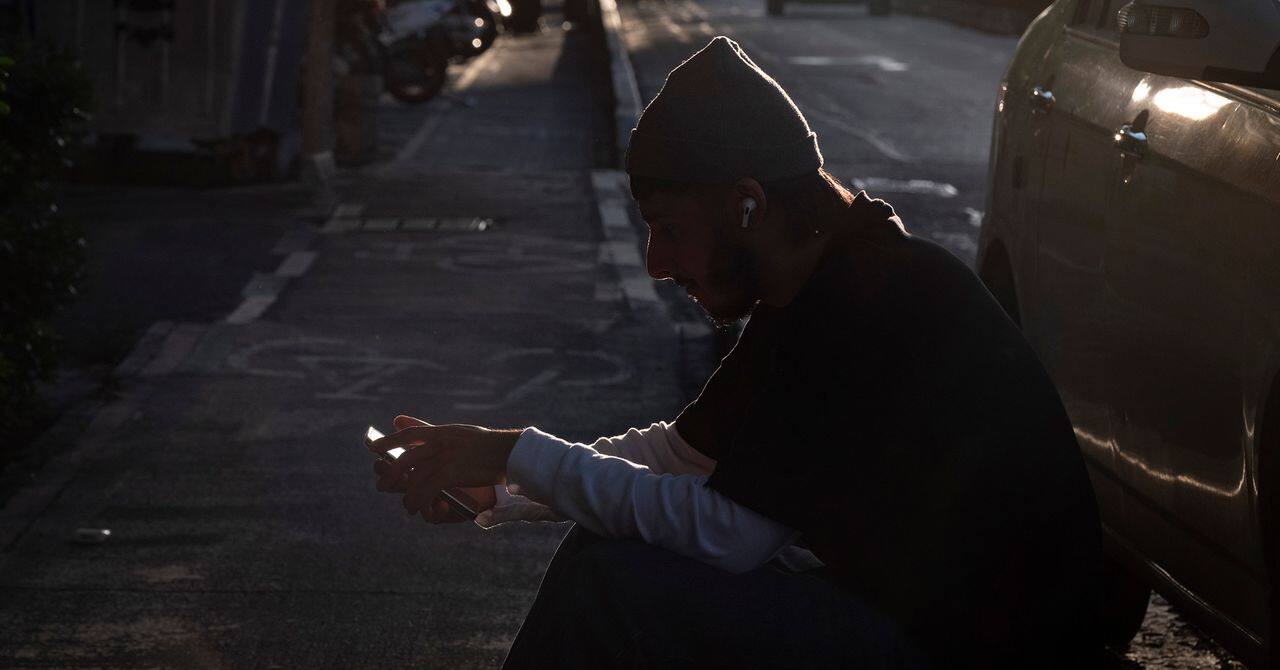
Iran is beginning to reconnect to the global internet after a government blackout that left most of the country offline for more than 2,000 hours, but the recovery is patchy, limited, and very much subject to political tug-of-war. Monitoring groups say a handful of fixed-line networks started showing signs of life on Tuesday, while mobile connectivity remained largely unchanged.
That matters because the Iran internet blackout has kept the country in some form of digital lockdown for much of 2026. The current shutdown began on February 28, after Israel and the United States attacked the country, following an earlier outage tied to January protests. In both cases, the result was the same: millions of people cut off from family, commerce, and the outside world, while the state kept a tighter grip on what could flow in and out.
Fixed-line networks are moving first
Researchers at Kentik, NetBlocks, and Cloudflare began documenting the partial return of access on Tuesday afternoon local time. Amir Rashidi of the Miaan Group said some providers were back online, but stressed that the situation was still fluid. Doug Madory of Kentik said the biggest gain appeared to be around the Telecommunication Company of Iran’s fiber service near Tehran, while mobile networks showed little movement.
- Partial connectivity began appearing on Tuesday afternoon local time
- Fixed-line services showed more improvement than mobile networks
- The latest access level was still far below Iran’s normal baseline in December 2025
A power struggle is now part of the outage
The technical story is only half the picture. Iran’s Supreme National Security Council appears to have ordered the shutdown at the end of February, but a separate body tied to President Masoud Pezeshkian reportedly pushed for restoration on Monday, prompting a legal challenge in the High Court. The communications minister then said the reconnection would proceed under the president’s order, with restoration expected within 24 hours.
That kind of institutional sniping is familiar in authoritarian systems, but it makes a messy internet policy even messier. Iran has spent years building a national intranet with domestic search, messaging, and ride-hailing services, yet its control tools often look more like blunt instruments than elegant censorship systems.
Partial internet access has stayed partial before
This is not Iran’s first experiment with selective reconnection. After the January protests, some services returned while roughly half the country’s traffic still remained down, according to Rashidi. Madory was even less optimistic, saying it would be overly hopeful to expect connectivity to return to pre-January 8 levels, which were already censored.
The broader trend is hard to miss: the more Iran leans on internet controls during political crises, the harder it becomes to treat connectivity as a normal utility. If talks between Iran and the United States keep moving, the network may stabilize. If they stall, the country’s online access could stay stuck in the same grim pattern of partial openings, sudden closures, and people left guessing whether the web is back for real this time.