

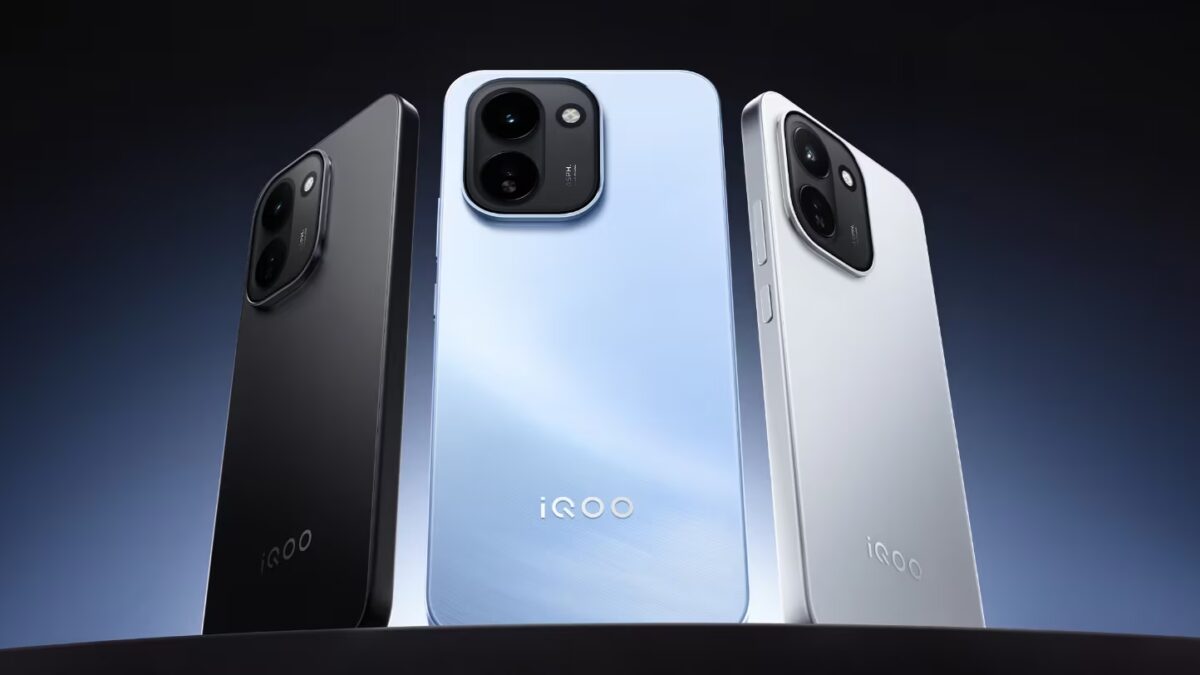
iQOO is gearing up to launch a new Z-series smartphone that looks to be a step up from the base iQOO Z11. A device with the model number I2514 recently appeared in the Geekbench AI database, revealing key specs like a MediaTek Dimensity 7500 chip, 12GB of RAM, and Android 16. This could be the next high-tier model in the current Z lineup.
The Geekbench listing confirms the device runs on MediaTek’s MT6881 chip, featuring an octa-core CPU with four performance cores clocked at 2.6 GHz and four efficiency cores at 2.0 GHz-matching the known specs for the Dimensity 7500. In AI tests, the phone scored 1174 in Single Precision, 1757 in Half Precision, and 2926 in Quantized tasks, suggesting its AI acceleration excels at lighter, less precise workloads rather than highly accurate computations.
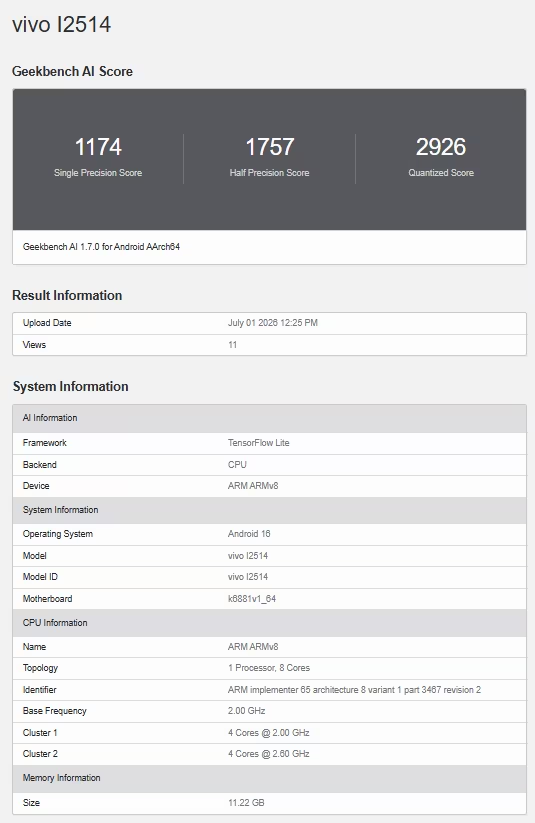
The listing doesn’t reveal a marketing name, but based on iQOO’s naming conventions, this could be a more powerful alternative to the iQOO Z11, which rumors say will use the Snapdragon 7s Gen 4. Earlier in May, another unannounced Z-series model, the I2510 running a Dimensity 6300, showed up on Geekbench and is thought to be the iQOO Z11 Lite. The I2514 is likely a stronger sibling within the same lineup.
iQOO’s strategy with the Z-series is consistent: it’s Vivo’s playground for aggressive midrange phones focused on solid performance. Over the past two years, MediaTek has significantly strengthened its hold on the mid-tier chipset market. According to Counterpoint Research, MediaTek held the top spot globally for smartphone SoC shipments in 2025, largely thanks to its midrange processors. If the I2514 launches as the iQOO Z11 Pro or a similar variant, it will position iQOO directly against rivals like Redmi and realme, who also target near-flagship power without flagship pricing.
iQOO Z-series smartphone with Dimensity 7500 chip
This emerging device reinforces the trend of midrange phones packing chipsets that deliver flagship-level punch without the premium cost. As manufacturers like iQOO continue to pursue this strategy, the boundaries between premium and mid-tier phones are blurring, which puts pressure on traditional flagship pricing and specs.