

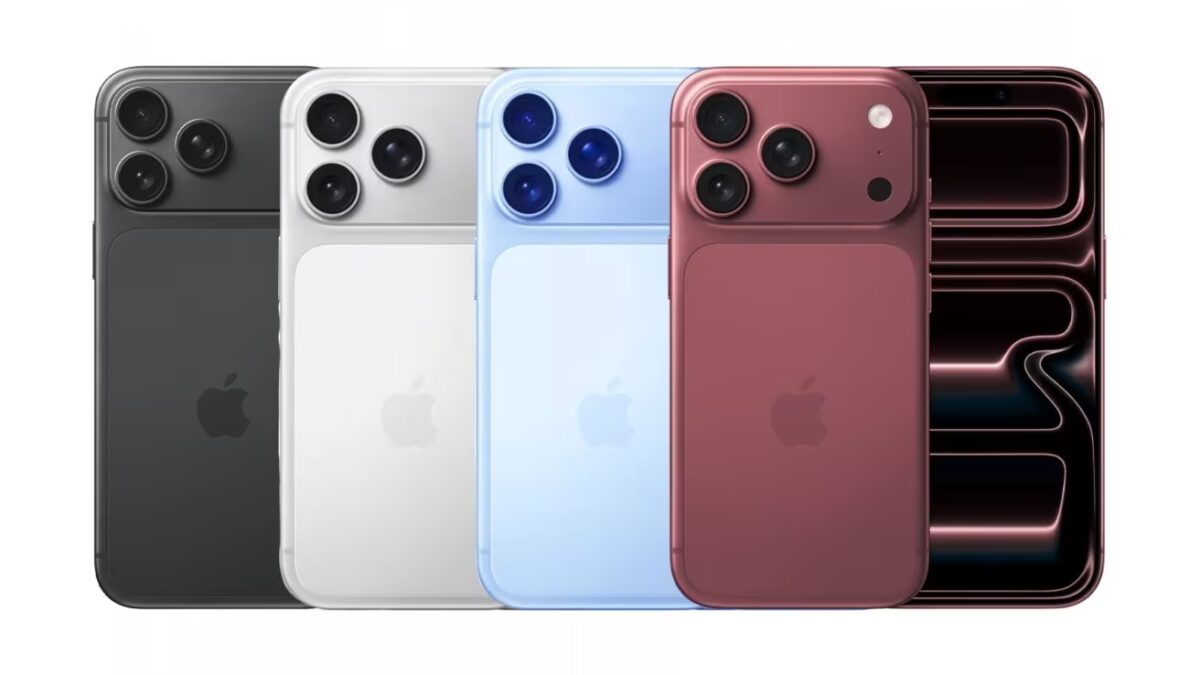
Apple’s upcoming iPhone 18 Pro lineup may switch some high-capacity models to slower QLC NAND flash memory, according to new rumors. The change is said to affect the 1TB and 2TB storage variants, while the 256GB and 512GB editions would reportedly stick with faster TLC chips. For users, this could mean a slight dip in storage performance-mainly noticeable in benchmarks and heavy tasks rather than everyday use.
Insider Reptalica first shared this information on X, as reported by WCCFTech. According to the leak, Apple will continue using TLC NAND chips from SK Hynix, Kioxia, and SanDisk in the more common 256GB and 512GB iPhone 18 Pro and Pro Max models. However, the 1TB version might feature a hybrid setup combining SK Hynix’s QLC memory with Samsung’s TLC chips, while the 2TB model could rely solely on SK Hynix QLC NAND.
This approach makes some economic sense. As storage capacity increases, sourcing enough TLC NAND chips becomes more complex and costly. NAND manufacturers have long balanced speed, cost, and availability, especially for premium configurations where volumes are smaller and individual modules pricier. Using QLC flash, which stores four bits per cell instead of three in TLC, offers cheaper gigabyte costs and higher capacities at the expense of slower write speeds and endurance.
For comparison, QLC drives are common in budget-friendly large-capacity SSDs for PCs, where the trade-off between speed and cost is better understood. But in smartphones, switching flash type in top-tier models is rare, partly because brands usually avoid explaining why premium versions might slow down in some areas.
QLC memory in iPhone 18 Pro storage variants
What’s notable here isn’t the rumor itself but its recurrence. A similar story circulated before the iPhone 16 Pro launch earlier this year, claiming Apple planned to deploy QLC flash in 1TB models. Post-launch teardowns and supply chain reports showed predominantly TLC components, with no solid evidence of a widespread QLC shift.
That said, Apple has a history of quietly diversifying NAND suppliers and configurations mid-cycle without changing advertised specs. Its storage supply chain includes SK Hynix, Kioxia, Samsung, and SanDisk, giving Apple flexibility to adjust components depending on availability and pricing hurdles. As a result, all iPhone 18 Pro models would still carry the ”1TB” or ”2TB” label regardless of actual flash cell type.
From a user’s perspective, the big question is how this impacts daily performance. Phone storage mainly handles short bursts-app launches, photo capture, cache, and quick file operations-not sustained large writes like laptops often do. If QLC is used in some iPhone 18 Pro variants, it will likely show up only in synthetic benchmarks, heavy video exports, or extended write sessions, rather than casual scrolling or messaging.
Another factor: 1TB and 2TB iPhone models are niche in even the premium segment. Most buyers gravitate toward mid-tier storage options where performance and cost balance better. This lowers Apple’s risk if adopting cost-saving compromises for the highest-capacity SKUs. But it’s also these discerning owners of top-tier models who tend to notice and publicize such subtle hardware changes.
The NAND flash market itself has been in flux. Following a downturn in 2023, manufacturers cut production to stabilize prices, with revenue recovery underway in 2024. In this environment, major buyers like Apple exert tight control over component specs. Should a 2TB iPhone materialize, the cost and supply of high-capacity flash chips will become an even more sensitive challenge.
With the iPhone 18 lineup launch still months away, this latest rumor feels more like a test of an old theory than a confirmed leak. As with the iPhone 16 Pro, clarity will come only after the devices hit the streets and teardown experts get to work. If Apple does adopt QLC NAND in its priciest iPhone models, it will mark a rare case where the highest-end version trades outright speed for capacity and cost savings, a move that could ripple quietly through the premium smartphone segment.