

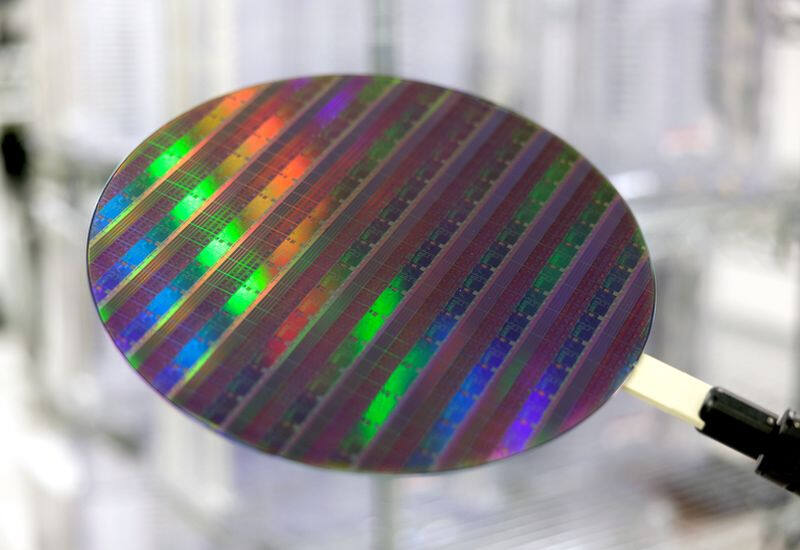
Intel may soon get a very public audition. According to The New York Times, both Apple and SpaceX are expected to be able to test Intel’s 14A process this fall, a step that could decide whether either company keeps moving deeper into the chipmaker’s foundry orbit. That matters because Intel is trying to turn contract manufacturing into a real business again, not just a corporate PowerPoint exercise with expensive factories.
The timing is awkward and promising at once. Intel has already been linked publicly to Nvidia, which also invested $5 billion in the company, and to SpaceX and Tesla. Apple and Google have been the quieter names in the background, but the new report says Intel could start making part of Apple’s mobile processors for laptops early next year before moving on to chips for smartphones later.
Intel 14A is the real test
The decisive question is whether Intel can deliver enough confidence with 14A to keep these deals alive. Testing this autumn is not the same thing as mass production, but it is the gatekeepers’ stage: if the process disappoints, the partnership loses momentum fast. If it works, Intel gets something it has badly needed – customers willing to trust its future nodes, not just its current capacity.
That fits a broader pattern in the US chip race. Washington has been pushing more advanced semiconductor production onto American soil, and The New York Times says US Commerce Secretary Howard Lutnick has played a direct role in bringing Intel, Nvidia, SpaceX, and Apple closer together. The result is a kind of industrial speed-dating, except the matches are measured in nanometres and billions of dollars.
Intel’s losses are supposed to narrow
Intel needs that confidence for a simple reason: the finances still look bruised. In the first quarter of the current year, the company posted operating losses of $3.7 billion, including $2.5 billion from its foundry division. The company says those losses should begin to ease next year as spending on huge manufacturing sites in Arizona and New Mexico falls while the projects near completion.
Bernstein Research expects Intel to end next year with $4.7 billion in profit. That is a sharp contrast to the company’s present mood, though investors have heard turnaround stories before. CEO Lip-Bu Tan has been talking about a five-year transformation for the business, which is a long way of saying this is still early and the company cannot afford a dud node.
What happens if Apple and SpaceX say yes
If Apple and SpaceX like what they see from 14A, Intel gets more than a pair of logos for the slide deck. It gets validation that could help pull in other customers looking for advanced US-based chip production, especially as AI demand keeps the foundry market hot. If they pass, Intel will have a harder time selling the idea that its comeback is already underway.
- Test window: this fall
- Potential Apple production: some mobile processors for laptops early next year
- Later Apple target: processors for smartphones
- Reported Intel Q1 operating loss: $3.7 billion
The bigger question is whether Intel can turn 14A into proof that its foundry business belongs in the same conversation as TSMC and Samsung. For now, Apple and SpaceX are not just customers; they’re judges.