

Huawei has switched on what it says is China’s first intelligent commercial 5G-A network, and it is already live across key parts of Qingdao. Built with Qingdao Mobile, the rollout targets the places where ordinary networks buckle first: business districts, transport corridors, and tourist hotspots packed with people, phones, and too many video streams. Huawei says the 5G-A network can reach typical speeds of up to 700 Mbit/s in dense urban areas and coastal zones.
Huawei says more than 24,000 base stations now support 5G-A, giving the city’s central areas full coverage. That is a very large bet on a very familiar problem: the networks that feel fine on a quiet street can fall apart once commuters, livestreams, remote workers, and high-resolution video all pile in at once.
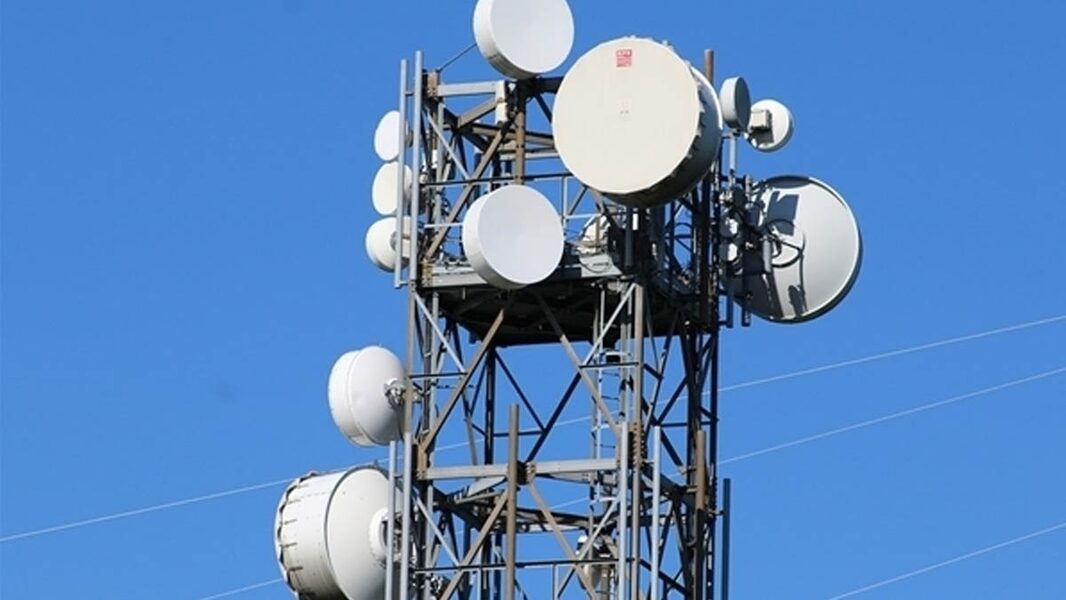
Huawei’s 5G-A network in Qingdao
The company’s pitch is simple enough. The new architecture automatically detects the type of traffic and adjusts resources on the fly, which should reduce congestion, lag, and the random little connection tantrums people blame on ”the internet” as a whole.
Huawei says typical speeds can reach 700 Mbit/s in dense urban areas and coastal zones. If that holds up under real-world load, it gives Qingdao a useful showcase for how 5G-A is supposed to differ from earlier mobile generations: not just faster peaks, but better behavior when the network is under pressure.
Why cities want this kind of upgrade
The timing makes sense. Across major Chinese cities, demand is being driven less by basic browsing and more by live video, e-commerce, hybrid work, and cloud-heavy apps that punish weak networks. Operators elsewhere are heading in the same direction, using denser infrastructure and smarter traffic management to squeeze more out of existing spectrum rather than waiting for users to stop streaming.
Qingdao is a neat test case because it mixes offices, transit, and tourist traffic, which is exactly the kind of unpredictable load that exposes gaps in coverage and planning. If Huawei and Qingdao Mobile can keep performance steady there, the company will have a strong sales argument for other city deployments.
The number to watch is 700 Mbit/s
- Operator: Qingdao Mobile
- Coverage: key districts in Qingdao, including business, transport, and tourist areas
- Base stations: more than 24,000 with 5G-A support
- Claimed speed: up to 700 Mbit/s in typical dense-area conditions
The unanswered question is less about the headline speed and more about consistency. Plenty of networks look great in a demo; the real test is whether they stay quick when the train arrives, the mall fills up, and everyone starts uploading the same sunset at once. That is where Huawei is now putting its case in front of the market.