• 5 min read
How scammers will attack in 2026: real threats and how to stop them
Quick take: Russia ranks among the top global targets for cyberattacks. Positive Technologies reports that successful hacks surged by 20-45% in 2025, with a projected increase of another 30-35% in 2026. These numbers are
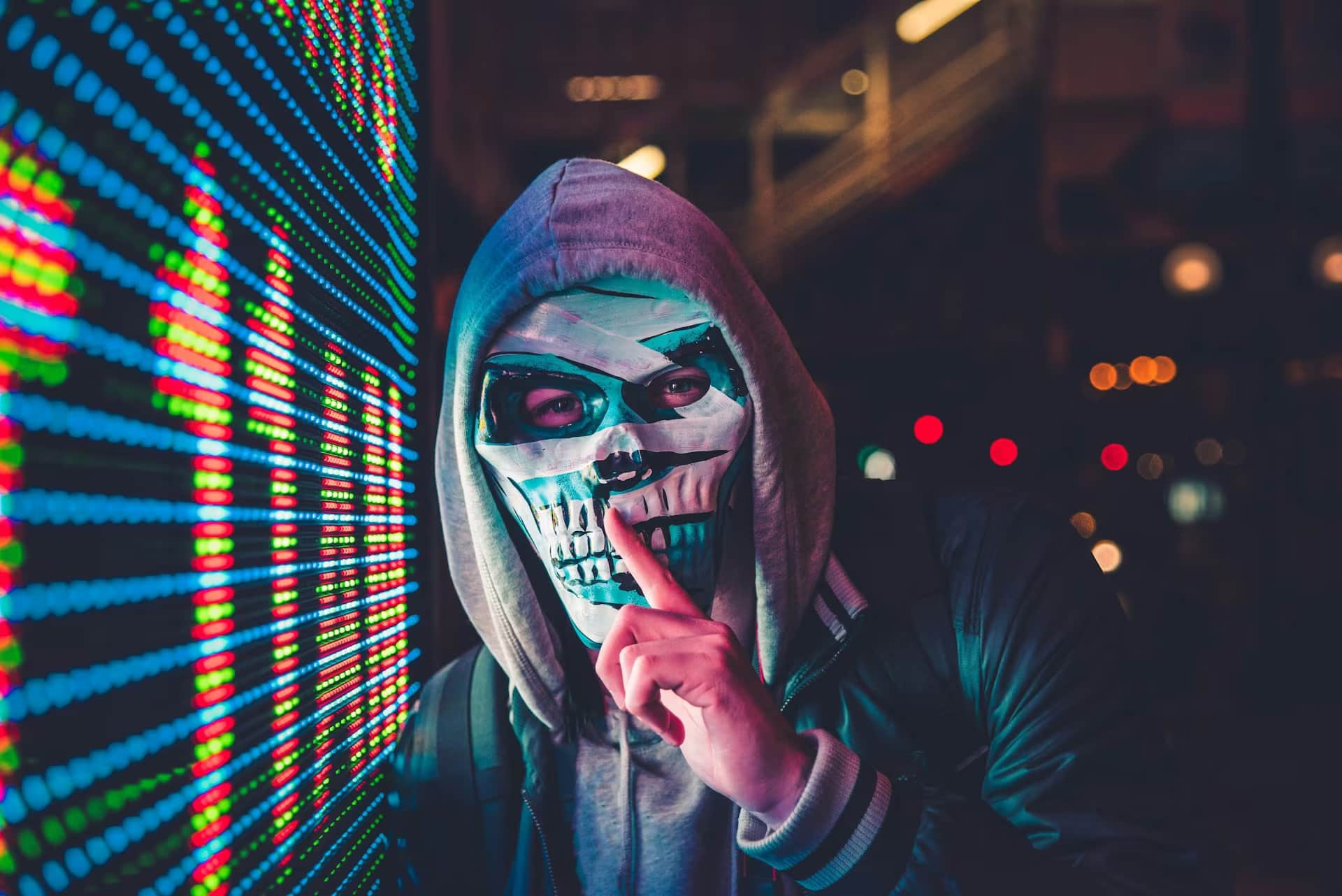
Quick take: Russia ranks among the top global targets for cyberattacks. Positive Technologies reports that successful hacks surged by 20-45% in 2025, with a projected increase of another 30-35% in 2026. These numbers are worrying but not catastrophic: most attacks targeting everyday users can be blocked with simple, specific precautions.
Why Russia is a prime target for hackers
Between July 2024 and September 2025, Russia accounted for 14% to 16% of all successful cyberattacks worldwide-and a whopping 72% of attacks recorded across the CIS countries, according to Secpost. This isn’t random. Beyond geopolitical tensions, accelerating digitalization is fueling vulnerabilities. As Internet of Things devices and AI-driven systems spread, so do exploitable security gaps.
Russia’s push for import substitution adds more risk. Rushed migration to domestically produced software and hardware often leaves security features half baked. It’s not just corporations at risk. Data breaches from banks, government agencies, and marketplaces have exposed sensitive info that touches every citizen’s daily life.

Recommended reading
560,000 AI apps hit Apple’s App Store in six months
In 2025 alone, leaked databases from Russian companies contained over 767 million records-including full names, birthdates, addresses, emails, and phone numbers. These breaches open doors for widespread fraud and identity theft.
Phishing attacks: trickery, not hacking
Social engineering scams accounted for 60% of successful cyberattacks in 2025, up from 49% the year before. Hackers have realized it’s easier to get victims to unlock the door voluntarily than to break in. Modern phishing has evolved far from the crude “Nigerian prince” emails of the early 2000s.
Today’s scammers leverage AI to craft convincing phishing emails, phone calls, and even deepfake videos. A fake message from Sberbank asking for transaction confirmation can be indistinguishable from the real deal; a phone call from a supposed “FSB officer” sounds just as authentic.
Retail brands top the list for phishing scams, followed by financial services and online platforms. These sectors are prime targets because of their broad user bases and frequent transactions.
How to protect yourself now
Enable two-factor authentication (2FA) wherever possible-banks, government portals, email, Telegram. Use authenticator apps like Google Authenticator or Yandex.Key instead of SMS codes, as SIM-swapping scams are on the rise. Always double-check website addresses before entering passwords-phishing sites use URLs like gosuslugi-verifikatsiya.ru or sber-online.net to fool users.
If you get urgent messages asking for payments or to “verify your data,” call the organization directly using numbers from their official website rather than any contacts in the message.
Data leaks: your information is probably already exposed
Over the past three years, 4.5 billion personal data records have leaked in Russia. There’s a strong chance your phone number, email, or passwords for old accounts are floating in the dark web. These leaks aren’t just for quick cash anymore-they’re the foundations for targeted phishing scams where criminals impersonate “security staff” to squeeze money or access out of victims.
In 2025, the biggest victims of data breaches were retail and e-commerce, government services, professional sectors, healthcare, and IT companies.
What you should do immediately
- Check if your information has been exposed at haveibeenpwned.com, which lists known breaches involving your email addresses.
- Use unique passwords for every service. Reusing passwords is still the easiest way for scammers to hijack accounts. Password managers like Bitwarden or KeePass can handle this effortlessly.
- Set up transaction alerts with your bank for every payment above 1 ruble. If someone uses your data, you’ll know instantly-not weeks later from a statement.
Mobile device attacks: Android faces the brunt
Phones have become top targets. The number of phishing sites distributing malware grew almost sixfold from 2024, largely driven by scams targeting Android devices. New scam groups focus on infecting phones via malicious apps.
Typical ploy: a Telegram or VK message offers a “great job” or “discount app,” linking to an APK file outside Google Play. Installing it unleashes a Trojan that reads SMS messages (including 2FA codes), accesses banking apps, and harvests contacts. Key threats include fake job offers, fraudulent apps disguised as services, and hijacked Telegram accounts used for further scams.
How to stay safe on your phone
- Only install apps from official stores. On Android, disable installations from unknown sources in security settings and keep it off permanently.
- Keep your operating system and apps updated. Most mobile malware exploits vulnerabilities that manufacturers have already patched-users just need to apply the updates.
- Review apps' permissions-especially access to SMS and camera. Your flashlight app shouldn’t be reading your messages. Go to Settings → Apps → Permissions and revoke anything unnecessary.
Protecting yourself against 2026 cyber threats
Cyber threats are on the rise, but most exploit a single weakness: human error. The combination of malware and social engineering-technical tools plus gullibility-is still the hacker’s main playbook. Remove the gullibility, and most scams collapse on their own.
Using two-factor authentication, unique passwords, and cautious app installation covers roughly 80% of real risks for average users. The rest is specialist-level defense that most attackers won’t reach.
Looking ahead, the big question is how security systems will adapt to increasingly AI-driven scams and malware that exploit rushed digital transformation efforts-especially in regions with accelerated import substitution like Russia. The battle between human savvy and machine-crafted deception will define cybersecurity in the coming years.
Computing Editor
Tomas lives in the terminal. He covers chips, laptops, and operating systems with a focus on performance and efficiency. He reads kernel changelogs the way other people read fiction, and he's always on the hunt for the perfect mechanical keyboard switch. If it processes data, Tomas has an opinion on it.