

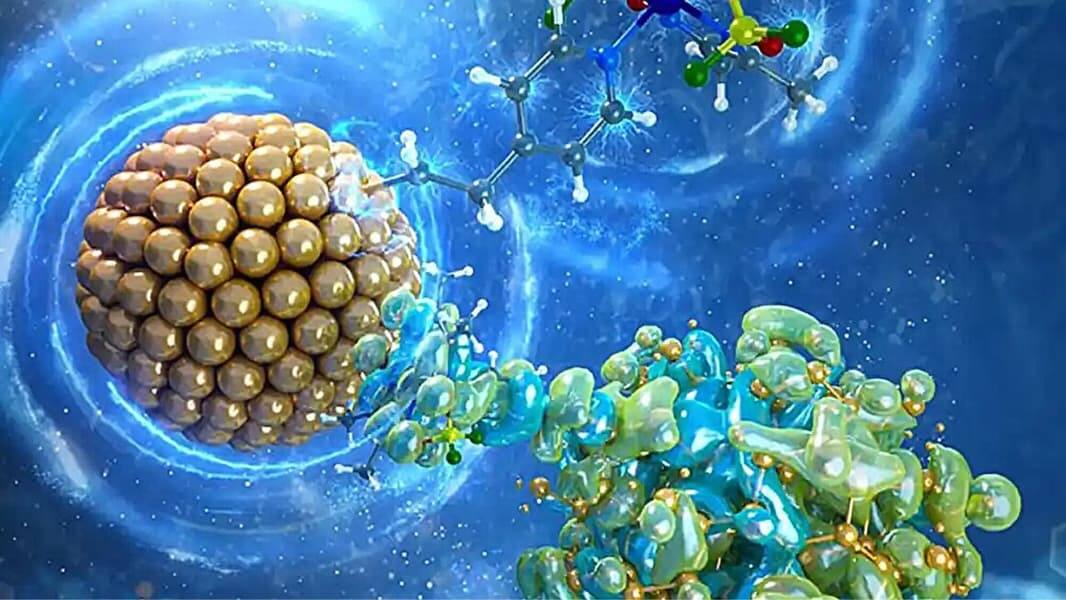
Scientists at the National Laboratory of the Rockies say they have built a solar-energy system that does something conventional solar panels are very bad at: it keeps high-energy ”hot electrons” from bleeding away as heat. The result is a material setup that can hold onto that energy for about 5 nanoseconds, or roughly 25,000 times longer than standard silicon materials.
The trick is not just stacking the right ingredients together and hoping for the best. The team linked a silicon nanocrystal to a molecular catalyst with a specially designed chemical bridge, and that connection appears to be what changes electron behavior enough to keep the energy useful for longer.
Why the chemical bridge matters
In ordinary solar panels, and even in plants, much of the energy from bright sunlight gets lost almost immediately as heat. That waste has long limited how much of the sun’s energy can be pushed into useful chemistry instead of just warming the surroundings like a very expensive patio stone.
According to the researchers, the key insight is that the bond between materials matters as much as the materials themselves. By tuning that link, the ”hot electrons” spread between the silicon and the catalyst, becoming more stable and available for chemical reactions instead of dropping back down in energy.
Hot electrons in solar materials
If the approach scales beyond the lab, it could become a platform for several energy-intensive processes that industry still does the hard way.
- Producing hydrogen from water
- Turning carbon dioxide into fuels and chemicals
- Making fertilizers from atmospheric nitrogen
That puts the work in familiar territory for clean-tech research: solar hardware that doubles as a chemical factory. The difference is that this one is trying to solve one of the oldest annoyances in photovoltaics – energy that arrives fast and vanishes even faster.
A sharper path than classic solar cells
Most solar technologies are designed to convert light into electricity, then stop there. This system is aiming one step further, preserving enough energy to drive reactions directly, which is why the comparison to plants is more than a cute line: nature already does this kind of energy routing better than standard silicon.
The open question is scale, as always. Lab results can be elegant; manufacturing them reliably and cheaply is where many promising solar ideas go to die. If this bridge chemistry survives that trip, the payoff could be a new class of solar-driven fuel and materials production.