

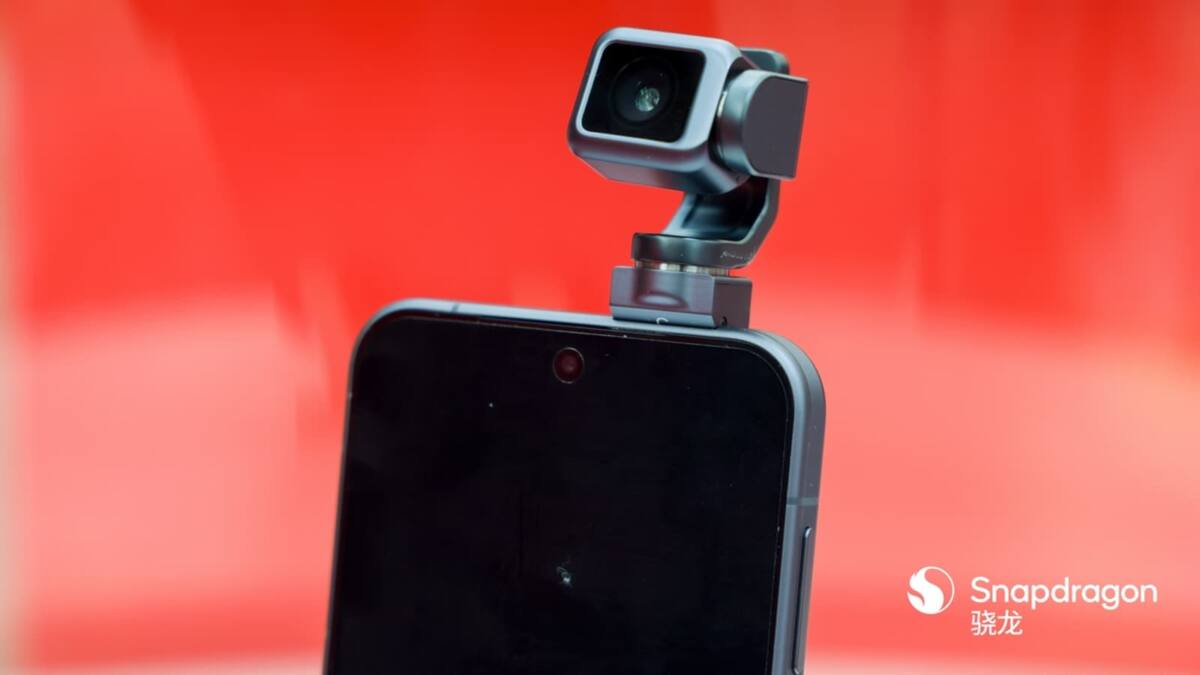
Honor has shown off its Robot Phone in public for the first time, and yes, it really does have a hidden robotic arm under the back panel. Qualcomm used the occasion of its Snapdragon fan club anniversary event to parade the device, while also saying the phone will run on a flagship Snapdragon chip and ship with AI features built to handle camera movement and shooting decisions on its own. Sales are set to begin in the third quarter, which gives rivals a bit of time to watch and quietly panic.
The Honor Robot Phone pitch is simple enough: make the camera smarter, steadier, and more theatrical at the same time. That puts Honor in the same broader race as brands chasing AI-first hardware, except this one adds a mechanical flourish that feels closer to a mini gimbal than a standard smartphone design. If the idea works, it could give Honor a very visible point of difference in a market where most phones look like they were cut from the same slab.
A hidden robotic arm for the camera
The Robot Phone’s standout trick is the concealed robotic arm built into the rear of the device. When it is not needed, it folds back inside the body; when it is, it pops out with a single click and can move the phone to keep subjects framed, track motion, and improve stabilization.
According to the information shared around the launch, the camera can rotate through 360 degrees, compose shots automatically, and deliver image stabilization rated at CIPA 5.5. That is the sort of spec that matters more in real life than in a glossy teaser, especially for movement-heavy scenes like running or casual video capture.
YOYO is the built-in assistant
Honor also says the phone includes a robotic YOYO assistant with emotion recognition, content recommendations, and control across the company’s ecosystem devices. That is a familiar AI play on the surface, but the combination of software assistant and moving camera hardware is where Honor is trying to separate itself from the usual chatbot-on-a-phone routine.
Qualcomm’s decision to spotlight the device is telling. Chip makers love a good reference design story, and Honor gets a clean way to frame the Robot Phone as more than a gimmick: if the Snapdragon platform can support a mechanically complex camera system and heavy on-device AI, that is useful ammunition for the next wave of premium phones.
What comes before the third quarter launch
Honor still has a few months to prove this is a real product category and not just an ambitious demo with a moving part. That matters because phone makers have spent years promising camera breakthroughs, yet most gains have come from software tuning rather than hardware theatrics. Honor is betting that a robot arm is exactly the kind of hardware flourish that can make people stop scrolling.
If it reaches the third quarter as promised, the real test will be durability, battery impact, and whether the camera arm feels clever or annoying after the novelty wears off. Either way, this is the rare launch that gives smartphone design something to talk about again.