

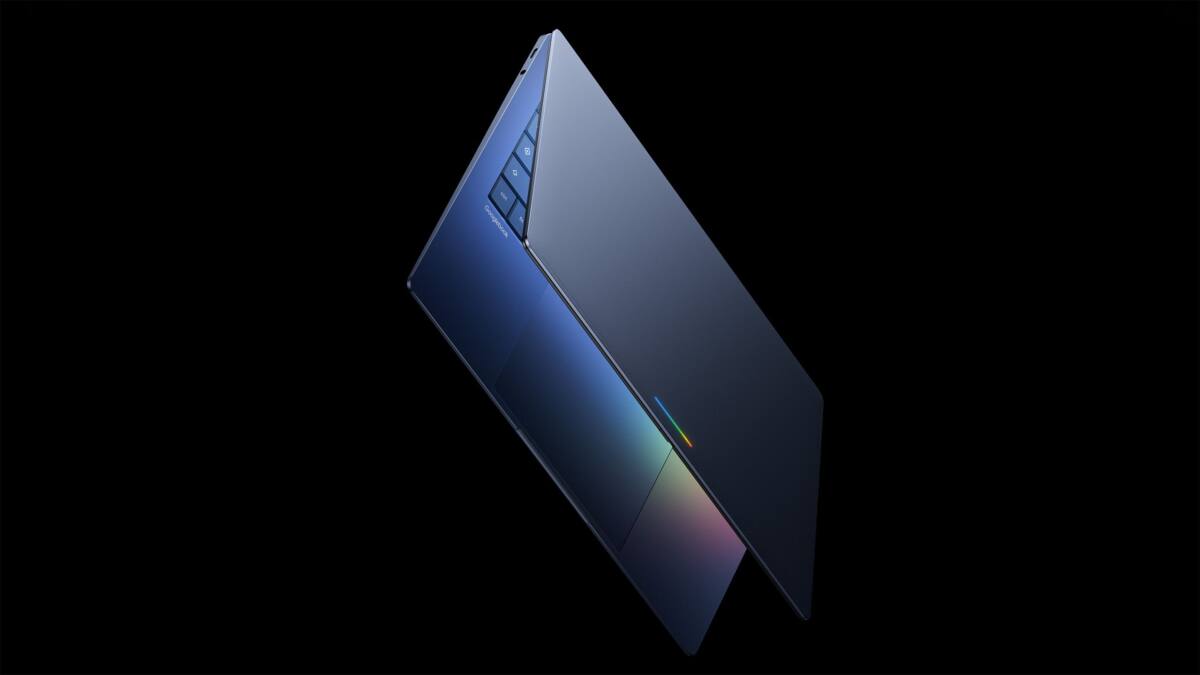
Google has finally put a name on its next laptop push, and it looks like a clear attempt to move beyond Chromebooks without pretending the old playbook still works. The company is teasing a new Googlebook line built around a desktop version of Android, a Gemini-assisted cursor experience, and phone-to-laptop file access that feels aimed squarely at the ”why can’t my devices just talk to each other?” crowd.
That puts Google in familiar territory, but with a sharper edge. Apple has spent years tightening the Mac-iPhone handoff, while Microsoft keeps pushing Windows toward more AI-flavoured helpers; Google’s answer is to fuse Android and laptop computing more aggressively than ChromeOS ever did, and make the integration obvious rather than hidden in menus.
Android-powered Googlebook with Gemini at the center
Google is still avoiding the obvious label, but the clues are loud enough. The company says the Googlebook is about ”rethinking laptops again,” and its own wording points to a desktop Android successor to ChromeOS rather than another Chromebook refresh with a new coat of paint.
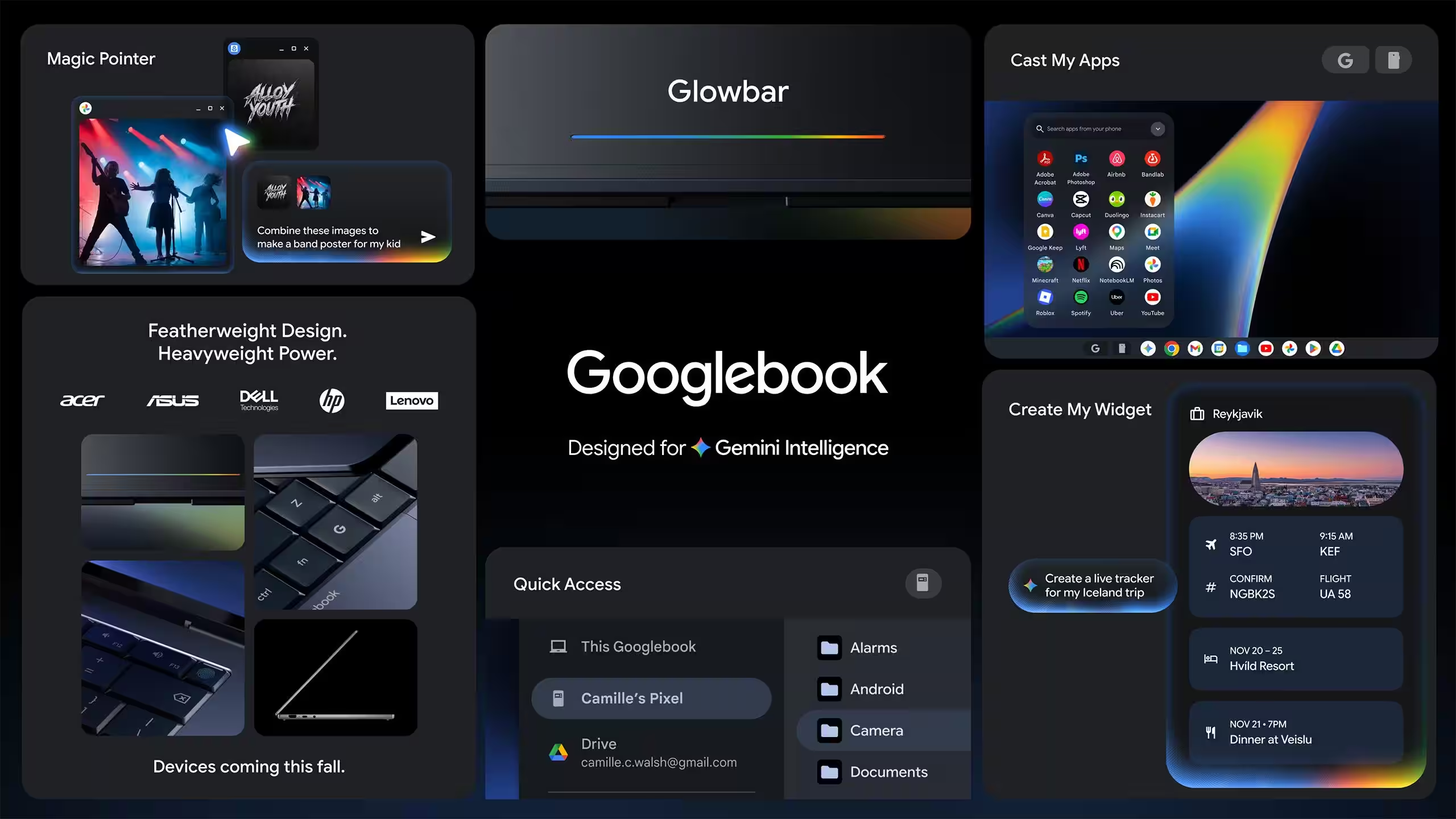
The most interesting bit is not the branding, though. It is the way Google is centering Gemini inside the cursor itself: wiggle it over highlighted content and contextual suggestions appear, such as turning a date into a meeting or comparing images side by side. That is the kind of small, seemingly neat feature that can either feel magical or become annoying fast if it only works in a handful of places.
Quick Access ties the laptop to your Android phone
Google is also leaning hard into the Android connection with a file browser feature called Quick Access. It lets users view, search, and insert files from an Android phone directly on the laptop, which is exactly the sort of utility feature that wins over people who spend all day jumping between a phone and a computer.
- Quick Access surfaces phone files inside the laptop file browser.
- The Gemini cursor can suggest actions from highlighted text or images.
- Google says the Googlebook will ship in several ”shapes and sizes.”
Googlebook hardware is still mostly a mystery
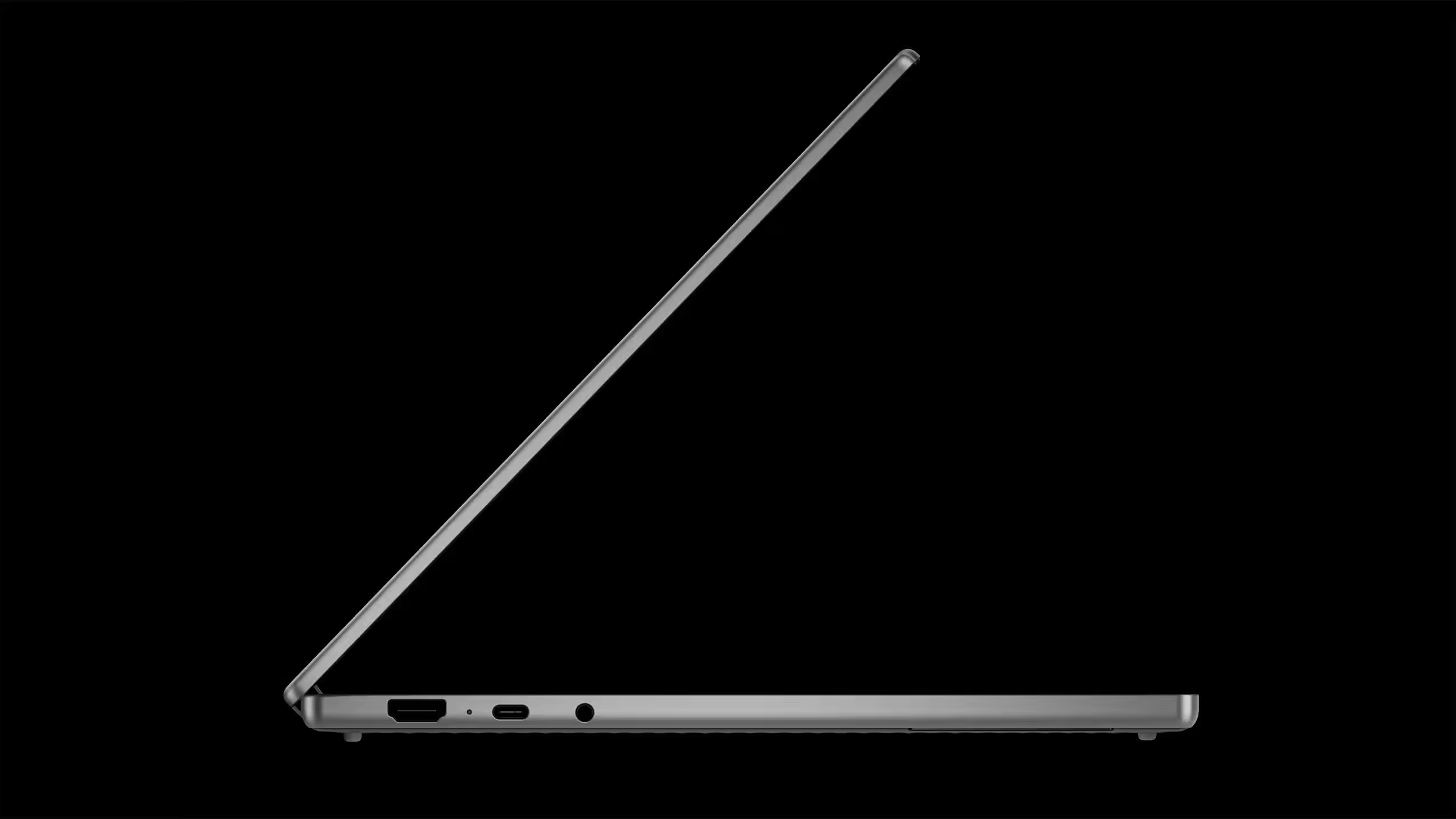
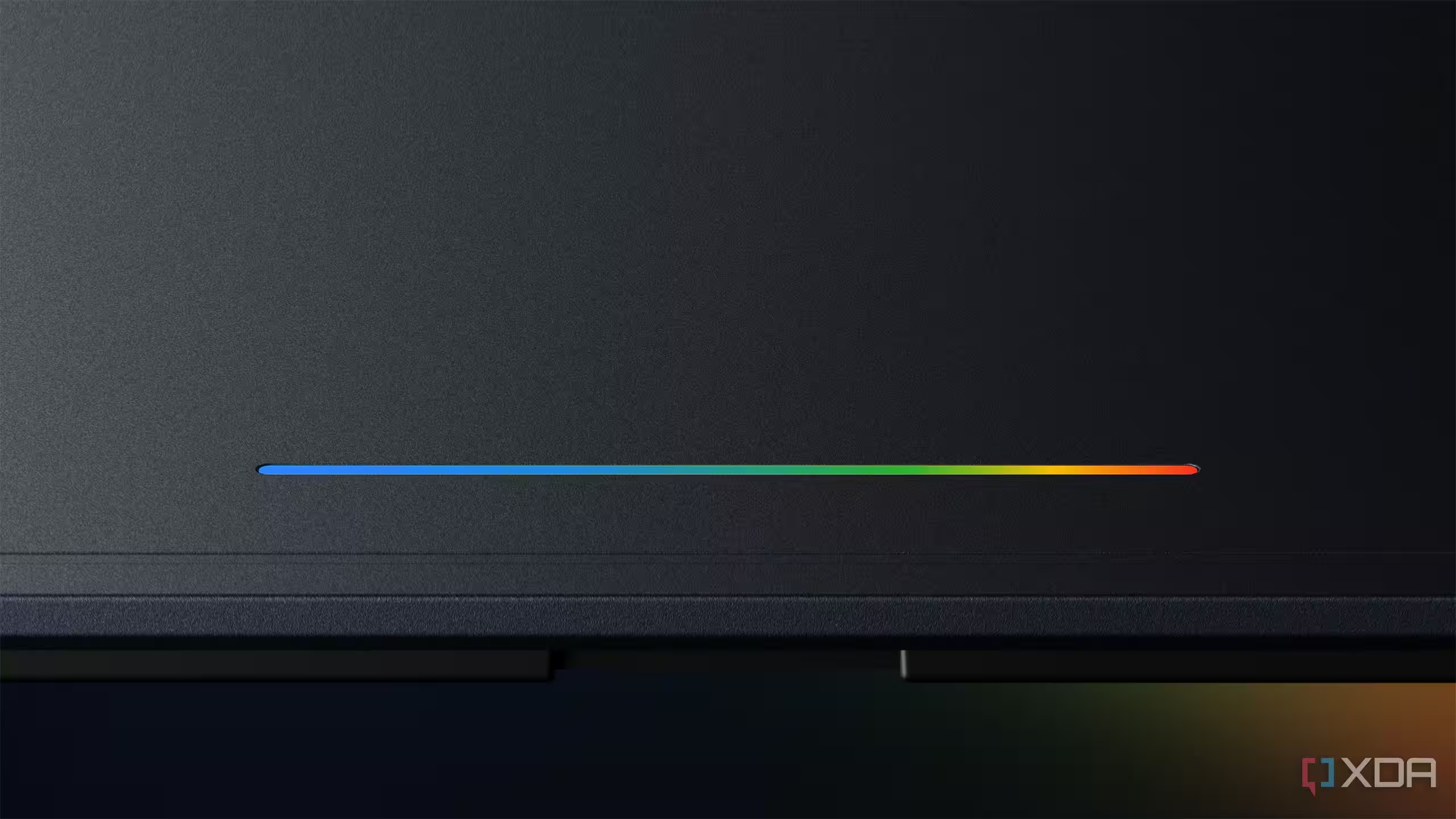
On hardware, Google is being coy in the classic pre-launch way. It promises ”premium craftsmanship and materials,” says the lineup will come in several ”shapes and sizes,” and confirms a colorful Glowbar across the family, but stops well short of saying who will actually build these machines or how many models are coming first.
That matters because the ChromeOS ecosystem succeeded partly by letting partners flood the market with cheap and cheerful options. If Google keeps the Googlebook tightly controlled at launch, it could look more like a Pixelbook-style flagship experiment than a broad platform shift. And yes, that is the kind of decision that determines whether a new product line becomes a category or a footnote.
What Google is likely saving for I/O 2026
Google says it will have more to share later this year, and that probably means the real answers are being held back for Google I/O 2026 from May 19th-20th. Expect more detail on the OS itself, the first devices, and whether this is a full replacement for ChromeOS or a parallel track that slowly absorbs it.
The safer bet is that Google wants the Googlebook to feel like the first laptop for the Gemini era: less ”here is a browser with a keyboard” and more ”your phone, your files and your assistant now live in one place.” The harder question is whether buyers will see it as the future of Android on PCs, or just another Google reboot waiting to be renamed two launches later.