

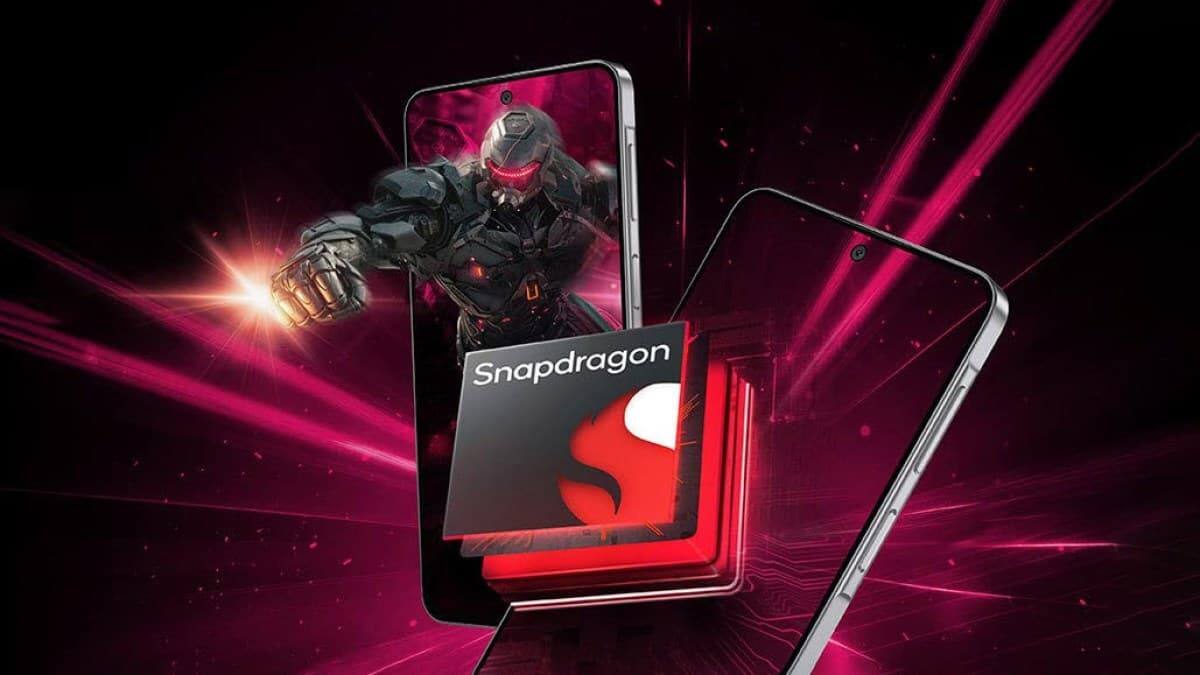
Samsung has launched the Galaxy M47 in India, a mid-range phone that leans hard on battery life and software support instead of flashy chip bragging. It pairs Qualcomm’s Snapdragon 6 Gen 3 with a 6000 mAh battery, promises updates through 2032, and skips Exynos altogether – a choice that will probably make more buyers smile than any keynote slogan ever could.
Galaxy M47 specs and camera setup
The Samsung Galaxy M47 uses a 6.7-inch Super AMOLED display with Full HD+ resolution, a 120 Hz refresh rate, and Corning Gorilla Glass Victus+. Samsung also places a 12-megapixel selfie camera in the display cutout, while the rear setup combines a 50-megapixel main camera, a 5-megapixel ultrawide sensor, and a 2-megapixel macro camera. That is a very familiar Samsung formula: one useful camera, two extras for the spec sheet.
There is a small but smart touch here for gamers: bypass charging. When the phone is plugged in during play, power can go directly from the charger instead of cycling through the battery, which should mean less heat and less wear over time. That feature has been trickling from gaming phones into mainstream models, and it makes more sense here than another gimmicky camera mode no one will use twice.
Samsung Galaxy M47 software support runs to 2032
Galaxy M47 ships with One UI 8.5 based on Android 16, and Samsung says it will keep getting updates until 2032. In the mid-range, that kind of commitment is increasingly the new battleground: Google has pushed longer support on its Pixel line, and Samsung has been matching that tempo across more of its portfolio. Buyers may not care about the calendar on day one, but they definitely care when the phone is still alive years later.
The M47 will be sold in Rogue Red and Blaze Blue, with the 6 GB RAM and 128 GB storage version priced at 22,999 Indian rupees, or about 215 euros and $245. Open sales begin on 4 July through Amazon India. The real question now is whether Samsung can keep this formula sharp enough to stand out in a segment packed with phones that also promise big batteries and long support, but not always with this much restraint.