• 3 min read
Fitbit AI coach gets smarter, calmer, and more useful
Google is pushing Fitbit’s Gemini-powered health coach closer to something people might actually use every day, not just the kind of AI feature that sounds impressive in a keynote and then vanishes into a submenu. The la
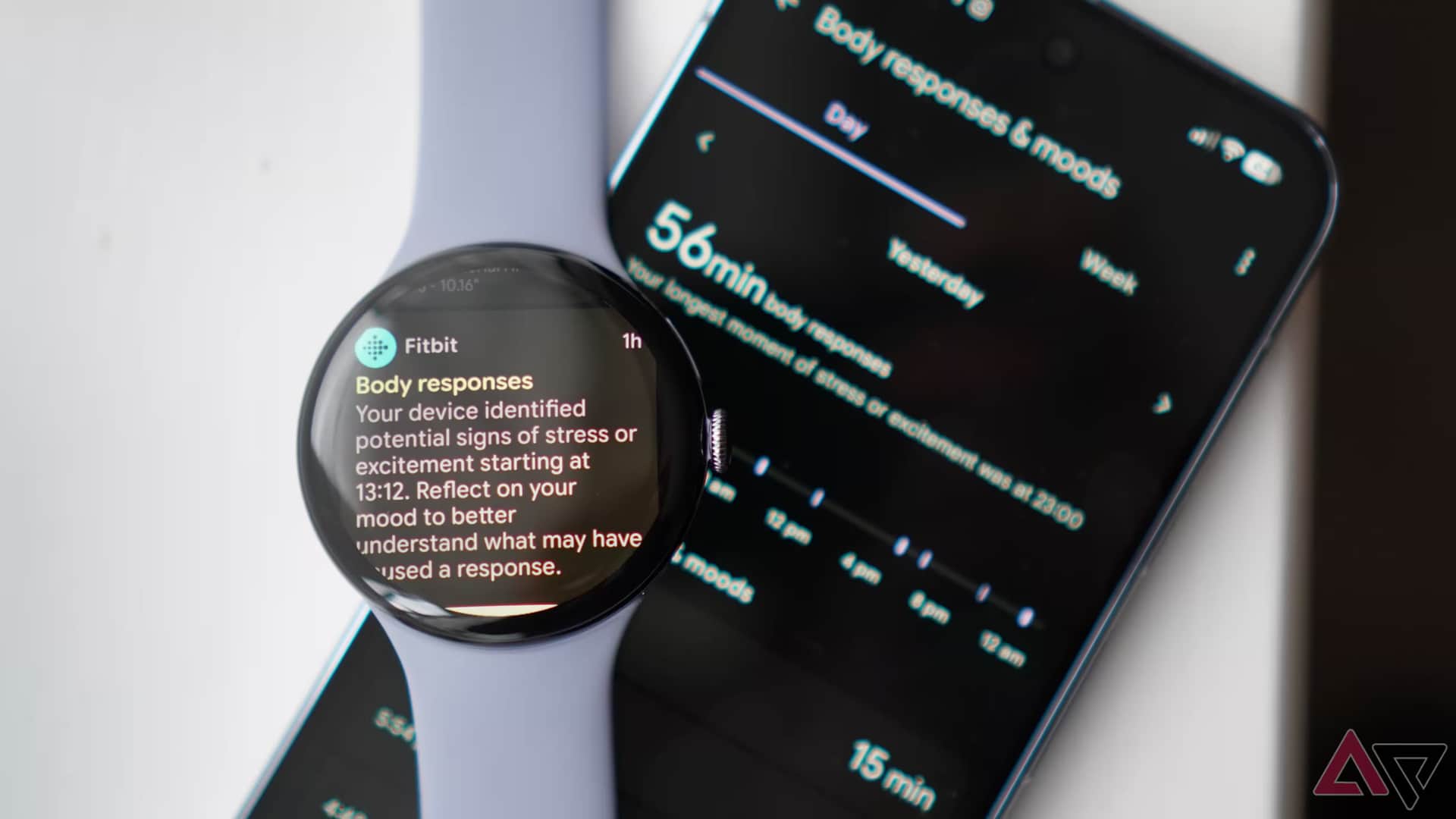
Image: androidpolice.com
Google is pushing Fitbit’s Gemini-powered health coach closer to something people might actually use every day, not just the kind of AI feature that sounds impressive in a keynote and then vanishes into a submenu. The latest update adds weekly fitness plans tailored to your goals, more flexible customization, and guided workout instructions, while keeping the rollout tied to Fitbit Premium and the public preview program.
The update also makes the Fitbit app more conversational, with personalized messages in the Today tab and a more natural Ask Coach chat. For users wondering what the Fitbit AI coach can do now, the answer is: weekly fitness plans, workout guidance, and more tailored feedback inside Fitbit Premium.
Weekly fitness plans and workout guidance arrive first
The big upgrade is a coach that does a little more than nod politely at your health data. Google says Fitbit’s personal health coach will now generate weekly fitness plans based on your goals and preferences, and next week users will be able to customize the plan, targets, and workouts themselves. Step-by-step guidance for recommended workouts is also coming, which is the sort of basic-but-useful touch many fitness apps still manage to skip.
That is a smart move. The wearables market has spent years selling “AI” as a magical layer on top of steps, sleep, and heart rate, but the winners tend to be the products that make those numbers easier to act on. Apple, Samsung, and Garmin all push coaching in different ways, yet the most useful systems are still the ones that feel personal without becoming annoying.
Recommended reading
World Model Optimizer targets frontier quality at lower cost
- Weekly fitness plans based on your goals and preferences
- Plan, target, and workout customization coming next week
- Step-by-step guidance for recommended workouts
- Access limited to Fitbit Premium subscribers
The Fitbit app is getting more conversational
Google is also making the coach feel less like a dashboard and more like an actual assistant. The Today tab will surface personalized messages across the day, including morning moments, post-workout summaries, and end-of-day or end-of-week updates. Users will also get a more natural way to ask for updates through the Ask Coach chat, which should make the experience feel less like form-filling and more like, well, talking.
This is also Google doing some overdue cleanup. Fitbit has long had strong health data but an uneven software story, and the company seems to be betting that a more conversational interface can make the platform feel less like a tracker and more like a coach. Whether users want a chatbot in their fitness app is another question, but at least this version appears built around actual utility rather than novelty.
Sleep metrics and the Google Health shuffle
The coaching push builds on Fitbit’s revamped Sleep Score, which now takes a more holistic approach and adds five sleep-related metrics: time to sound sleep, sound sleep, restlessness, interruptions, and full awakenings. That gives the app more ways to explain what happened overnight instead of reducing sleep to a single score that looks definitive and says very little.
There is also a bigger branding story forming in the background. Leaks suggest Google may launch the AI coach alongside the screen-less Fitbit Air under a Google Health name, and possibly replace Fitbit’s premium plan with a Google Health subscription. If that happens, it would fit Google’s habit of folding products into broader ecosystem branding just as a new device is about to arrive.
Reports point to a debut around Google I/O 2026 in mid-May, which helps explain why these Fitbit updates are arriving quickly. Google wants the premium health pitch to feel ready before the next hardware wave hits, and if the coaching tools keep improving at this pace, Fitbit may finally have a subscription offering that feels earned rather than obligatory.
AI Editor
Ava covers the rapidly evolving world of artificial intelligence, from foundational models and research labs to the real-world economics of intelligence. With a background in computational linguistics, she cuts through the hype to find out what actually works. She firmly believes that benchmarks are just marketing until reproduced in the wild.