

Europe’s next smartphone battery rules are not turning every phone into a 2000s-era slab with a pop-off back cover. The surprise buried in the fine print is that the EU’s 2027 requirements can still allow non-removable batteries, which means Google, Samsung, and other makers may not need to redesign their flagships after all.
The EU smartphone battery rules take effect on 17 February 2027. They push manufacturers toward repairability and easier replacement, but they do not use a simple ”removable battery or bust” rule. That is a much less dramatic headline, and a much more realistic one for a market that has spent years sealing phones tighter while promising better longevity.
What the EU actually means by a removable battery
Under the EU text, a battery counts as removable for the end user if it can be taken out using commercially available tools and without special equipment, unless those tools are provided free. Heat tools, solvents, and proprietary gear do not make the cut. In other words: if you need to warm up the adhesive to get inside, regulators are already treating that as a non-removable design.
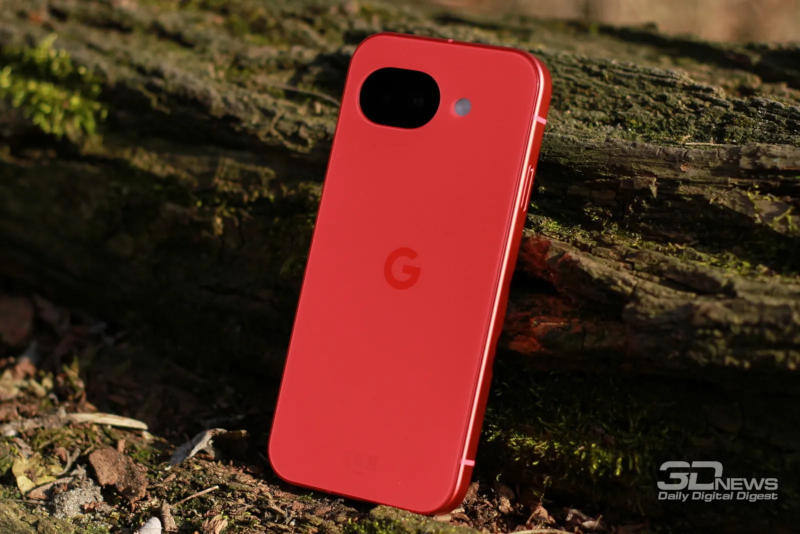
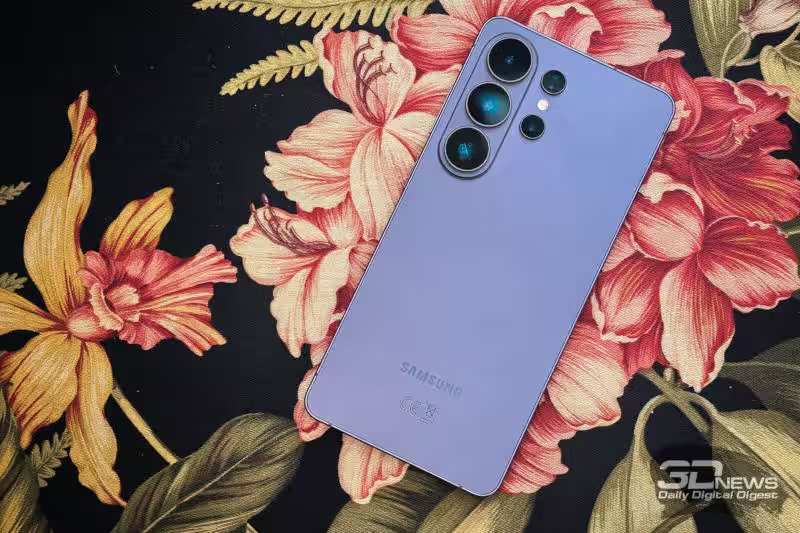
That definition is why phones such as the Google Pixel 10 and Samsung Galaxy S26 are still considered to have sealed batteries. Both use adhesive that needs heat to loosen, which is hardly the kind of quick swap older phones offered. The old removable-battery era was convenient, but it also came with thicker bodies and less elegant industrial design – a trade-off manufacturers have spent a decade trying to escape.
The loophole built into the EU smartphone battery rules
Here is the part that changes the story: a battery does not have to be removable if three conditions are met. It must retain at least 83% of its nominal capacity after 500 full charge cycles, at least 80% after 1000 cycles, and the device must carry an IP67 rating. That combination gives phone makers a path to keep sealed designs while meeting the spirit, if not the nostalgia, of the law.
That is not a tiny escape hatch. Google says Pixel batteries from the Pixel 8a onward hold more than 80% capacity after 1000 cycles, and Samsung makes similar claims about its own devices. So while the EU is tightening the screws, the biggest Android vendors may already be close to compliance on endurance alone. The real winners are consumers who get better battery life standards; the losers are anyone expecting a mass return to clip-on covers and user-swappable cells.
- Effective date: 17 February 2027
- Removable battery test: ordinary tools, no special equipment, no heat or solvents
- Non-removable battery exception: 83% after 500 cycles, 80% after 1000 cycles, IP67
Why phone makers may not rush to redesign
The industry has been pushing toward sealed, water-resistant phones for years, and Europe appears willing to reward that direction if manufacturers can prove durability. Apple has long sold the same design philosophy globally, so the EU’s rule set is less a shock than a formalization of where premium phones already landed. The practical effect may be more paperwork, more testing, and a little less drama than the debate around ”replaceable batteries” suggested.
The open question is whether the rule changes consumer behavior at the margins. If battery health targets become a selling point, vendors will talk more about cycle counts and less about glue. If not, 2027 could arrive with the same sealed slabs – only this time, with Brussels having approved the battery life bragging rights in advance.