• 2 min read
ESP32 powers a Wipeout-style racer at 60 FPS
The ESP32 keeps getting treated like a toy, and then somebody goes and makes it run a Wipeout-style 3D racer at 60 FPS on a 480×320 display. The project, built by PhonicUK, is a neat reminder that microcontrollers are on
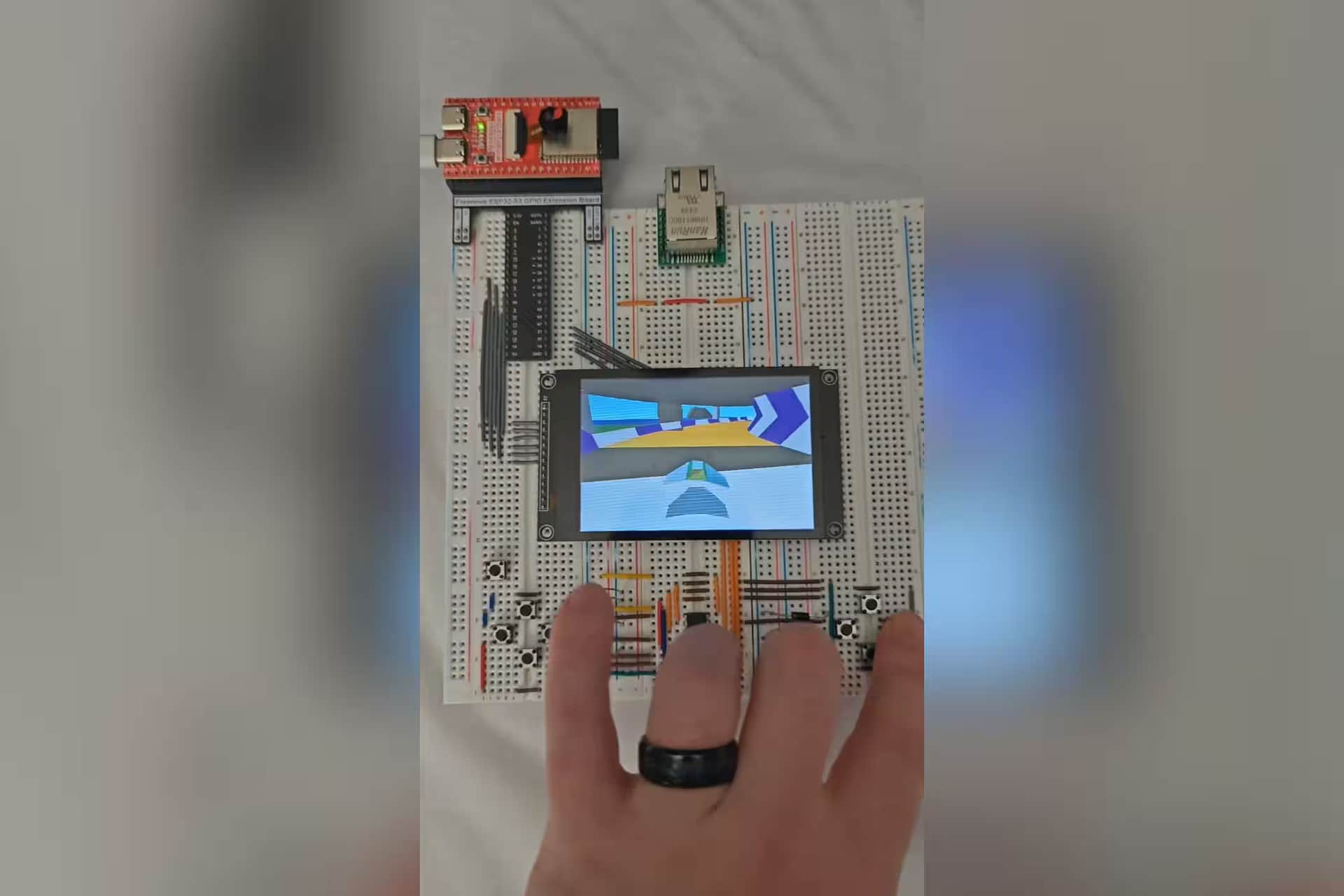
Image: xda-developers.com
The ESP32 keeps getting treated like a toy, and then somebody goes and makes it run a Wipeout-style 3D racer at 60 FPS on a 480×320 display. The project, built by PhonicUK, is a neat reminder that microcontrollers are only “limited” until someone bothers to write the right engine for them.
This is not a simple sprite trick. The game uses a procedurally generated track, three AI racers with collision avoidance, and physics that let ships bump and shove each other around. It also runs on an ST7796 SPI display, with interlaced updates split across two half-height buffers so both CPU cores stay busy – one drawing while the other handles I/O.
A custom 3D engine on a tiny chip
That setup is the real story here. Plenty of hobby projects can make an ESP32 blink, scroll text, or emulate older hardware, but a smooth 3D racer at 60 FPS is a different league. It sits in the same lineage as other overachieving microcontroller demos: proof that performance ceilings are often just badly drawn lines in people’s heads.
Recommended reading
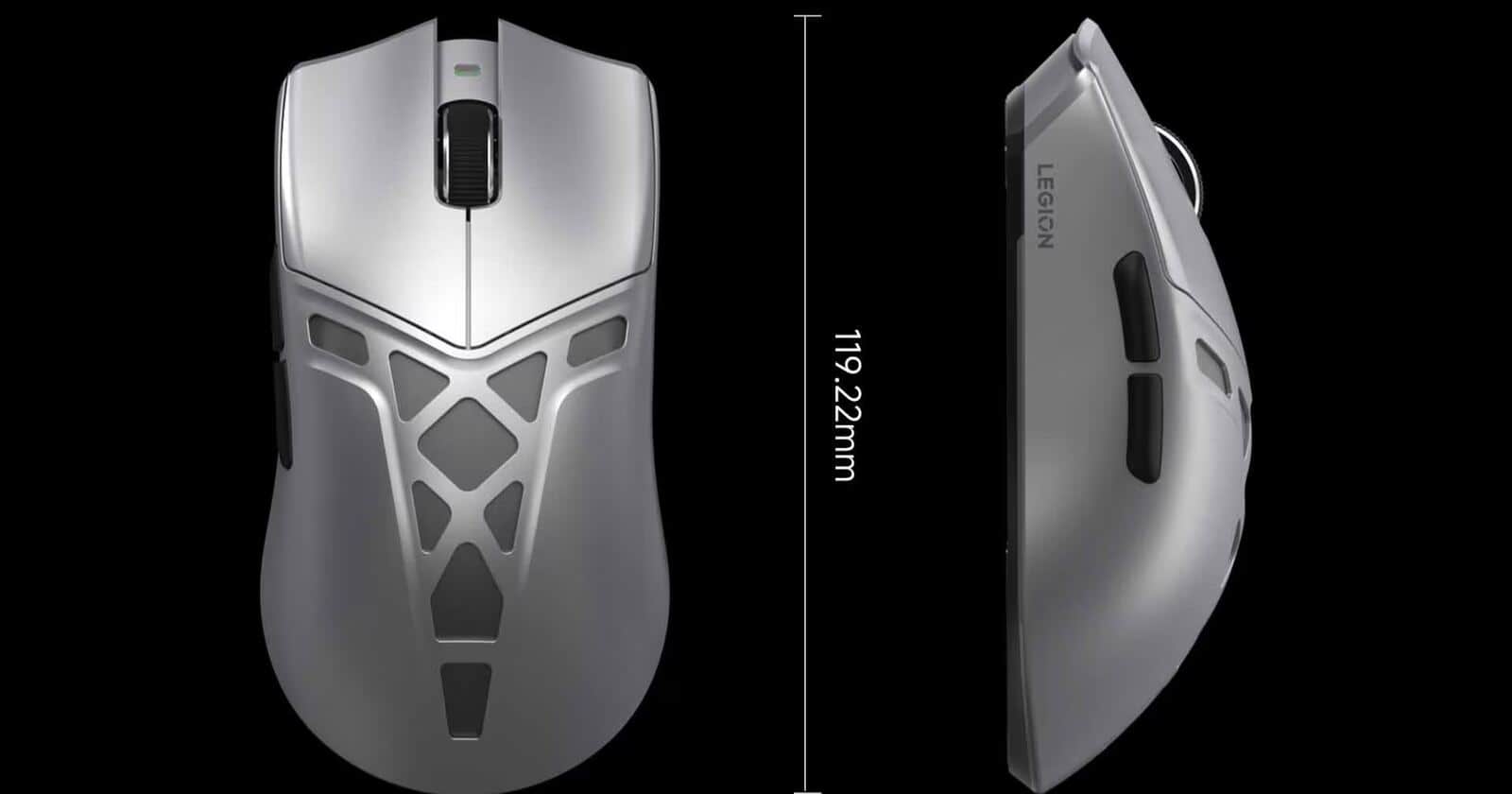
Lenovo’s Legion Y7MG mouse weighs 59 grams
- Platform: ESP32-S3
- Display: 480×320
- Frame rate: 60 FPS
- Graphics path: ST7796 SPI with interlaced buffers
- Gameplay: procedural tracks, 3 AI racers, collision physics
Why this stands out from other ESP32 projects
The ESP32 has already earned a reputation for doing more than it should, from retro emulation to tiny game consoles. But most of those projects lean on nostalgia or compromise; this one is trying to deliver something that looks and feels genuinely fast. That matters because it nudges the chip from “cool hack” territory into “serious playground for custom engines.”
The only obvious catch is that the source code is still under wraps. That keeps the rest of the hobbyist crowd waiting, and it also means the best part of the project – how PhonicUK squeezed this much performance out of the hardware – is still not something others can learn from directly.
What happens if the code is released
If PhonicUK eventually opens the source, expect a wave of copycat experiments, forks, and very questionable racing games on cheap displays. If not, the project still does its job as a demo: it shows that the ESP32-S3 has more headroom than most people assume, and that one good engine can make modest hardware look dramatically more capable.
Culture Editor
Maya explores gaming, streaming, and the internet as a place where people actually live. From deep-dives into creator economies to the anthropology of digital communities, she tracks platform drama and cultural shifts so you don't have to. She believes the best tech stories are fundamentally about human behavior.