• 3 min read
OpenAI’s custom chip talks point to an iPhone rival
OpenAI is still burning through cash, but that apparently is not stopping it from thinking bigger. According to a supply-chain report, the company is exploring custom smartphone silicon with MediaTek and Qualcomm while i

Image: AppleInsider
OpenAI is still burning through cash, but that apparently is not stopping it from thinking bigger. According to a supply-chain report, the company is exploring custom smartphone silicon with MediaTek and Qualcomm while it also builds an AI hardware project with Jony Ive – a combination that suggests OpenAI wants more than chatbots on someone else’s phone.
The headline-grabber is the reported 2028 target for an AI agent-based device. That is a crowded pitch in a market that already has Apple, Samsung, and Google pushing on-device AI, but OpenAI’s advantage would be obvious: it owns the model layer and could design the hardware around it instead of bolting intelligence onto a phone after the fact.
OpenAI custom chips and a very Apple-shaped strategy
If the report is right, OpenAI is not just shopping for chips; it is reaching for control. Luxshare is said to be the exclusive system co-design and manufacturing partner, which fits a familiar pattern: tight hardware-software integration, fewer middlemen, and a product story that looks suspiciously Apple-esque for a company that has spent years living inside Apple’s ecosystem.
Recommended reading
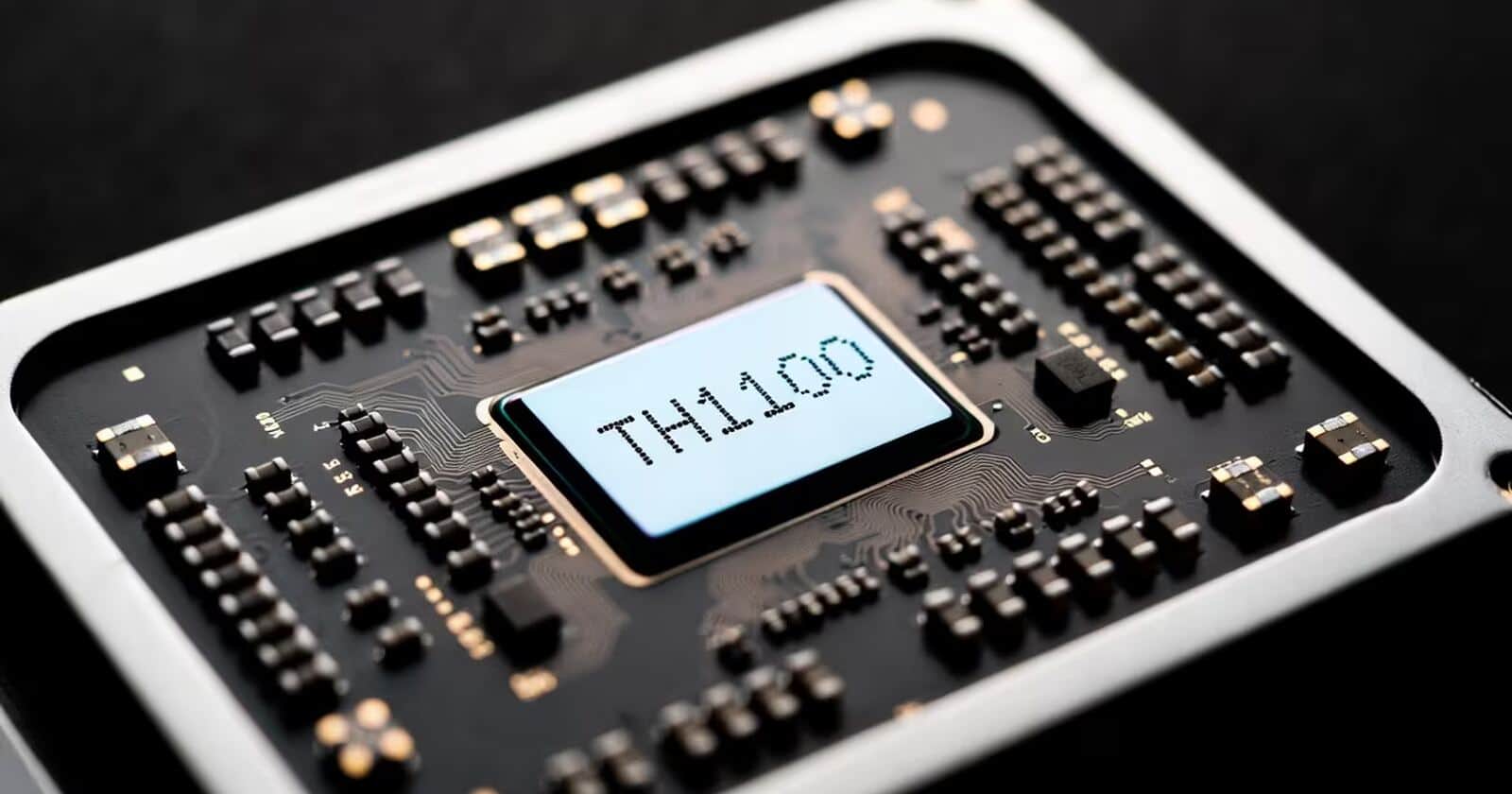
Thorsianway targets edge AI with TH1100 chip
That strategy is not crazy. Smartphone hardware is mature, distribution is proven, and consumers already understand the category. The real challenge is not building a rectangle with a screen; it is making one compelling enough that people swap out their iPhone for an OpenAI-branded alternative just to let an assistant sit closer to the center of their digital life.
Why OpenAI wants the phone
The appeal is control over context. A phone sees location, messages, routines, and the usual stream of user behavior that makes AI assistants less dumb and more useful. OpenAI could use on-device processing for quick tasks, then punt heavier work to the cloud when needed, which is the sensible part of the plan and also the expensive part nobody likes talking about.
- Potential partners: MediaTek and Qualcomm
- Manufacturing partner: Luxshare
- Targeted arrival: 2028
- Design direction: an AI agent-based smartphone
There is also a simpler motivation: revenue. If OpenAI controls both hardware and software, it can bundle services more cleanly and sell subscriptions inside a device that is designed to keep the assistant indispensable. That is exactly the kind of recurring-income dream investors love, especially from a company that is still chasing a path to profit.
The prototype may not even be a phone
There is one catch, and it is a big one. Smartphone chips do not guarantee a smartphone. They can land in wearables, pins, or some other device that wants phone-grade silicon without pretending to be a handset, which leaves room for OpenAI’s mystery hardware project to be something less obvious than a direct iPhone challenger.
Still, the direction of travel is clear: OpenAI is acting like a company that wants to own the interface, not just the intelligence behind it. If it can combine its models, its branding, and Ive’s design instincts into a believable consumer device, Apple may not have to worry about a clone – just a very annoying new kind of competition.
AI Editor
Ava covers the rapidly evolving world of artificial intelligence, from foundational models and research labs to the real-world economics of intelligence. With a background in computational linguistics, she cuts through the hype to find out what actually works. She firmly believes that benchmarks are just marketing until reproduced in the wild.
via AppleInsider