

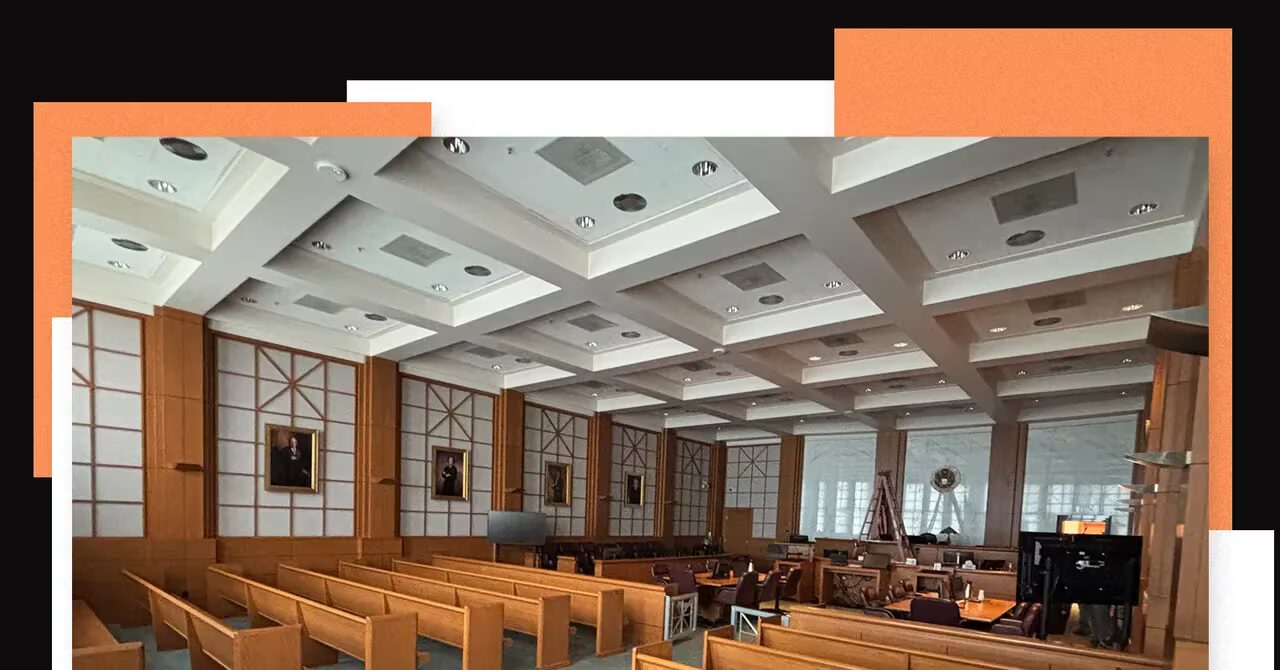
As Elon Musk takes on OpenAI and CEO Sam Altman in a high-stakes courtroom showdown, one detail stands out more than the legal arguments: the defense team’s surprising accessory of choice – cushions. Facing hard wooden benches under Judge Yvonne Gonzalez Rogers, Altman and top OpenAI executives have hauled in orthopedic seats and plush pads just to survive the marathon trial without losing their backs.
This may sound like a punchline, but for a legal saga stretching over multiple weeks, it perfectly captures the clash between Silicon Valley’s aspirational rhetoric and real-world endurance. While tech giants wax poetic about transforming humanity through artificial general intelligence (AGI), their executives endure long days perched on unyielding wooden benches – cushioned only by a slew of Purple and Coop pillows.
Who brings cushions to the Elon Musk vs OpenAI trial
Eyewitness accounts describe about a dozen people on behalf of OpenAI and Microsoft lugging black seat cushions into the courtroom, among them Sam Altman and OpenAI’s chief counsel, Chee Chang. OpenAI President Greg Brockman and his wife Anna were spotted with their own set of white cushions, carefully carried in a bag-and when Brockman found himself briefly without his plush support, his family swiftly remedied the situation.
To bystanders, this might seem oddly comical. Inside the courtroom, it’s downright sensible. The courtroom is nearly full every day, with audience members and parts of the defense squad squeezed onto standard wooden benches. A seasoned legal veteran noted that while cushions aren’t common courtroom gear, an ordeal of this length makes them a reasonable necessity.
It boils down to this: prolonged, intense tech legal battles are as much tests of stamina as they are of legal merit. The Silicon Valley courtroom drama has become less about legal fireworks and more about office ergonomics on trial.
How the Musk vs OpenAI trial stands out from typical tech lawsuits
Even without the cushion episode, this trial is already a spectacle. Recent hearings revealed a striking figure: Microsoft has invested over $100 billion into its partnership with OpenAI, a number far exceeding earlier estimates and explaining why Microsoft is fiercely protective of their deal.
Judge Gonzalez Rogers isn’t new to high-profile tech trials; she presided over the 2021 Epic Games vs. Apple antitrust case, one of the decade’s landmark battles. But unlike that trial-held during pandemic restrictions with a more spacious courtroom-this proceeding crams nearly 150 people inside, with about 90 squeezed onto wooden benches. Comfort was clearly an afterthought in the courtroom design.
There’s also a deeper narrative. OpenAI, once seen as a noble research lab with a grand mission, now finds itself embroiled in one of the priciest and most toxic AI corporate conflicts to date. The cushions aren’t just a quirky detail – they symbolize a shift from startup idealism to drawn-out corporate siege warfare, albeit with a hefty budget for seating accessories.
Duration and toll of the Elon Musk vs OpenAI hearings
The hearings have been running for nearly three weeks, which explains why even reporters in the courtroom have started bringing their own seat cushions. What might seem excessive in a brief session has become a necessity amid hours of unpacking complex corporate agreements, OpenAI’s governance structure, and Microsoft’s influence.
Judge Gonzalez Rogers scheduled discussions on potential sanctions for the coming week, ensuring the trial’s climax is still ahead.
Compared to typical tech lawsuits-often resolved within days or weeks-this AI clash reflects the growing stakes in the field. With tens of billions invested, the courtroom has become a proxy battlefield not just for legal arguments but for the future direction of artificial intelligence itself. Expect the drama-and the cushions-to stick around as the case unfolds.