• 2 min read
Blue Origin reuses New Glenn rocket for second flight, advancing reusable launch technology
Blue Origin has successfully flown its New Glenn rocket for the second time, marking a major milestone for its heavy-lift launch vehicle amid stiff competition with SpaceX. The achievement came on Sunday, just over a yea
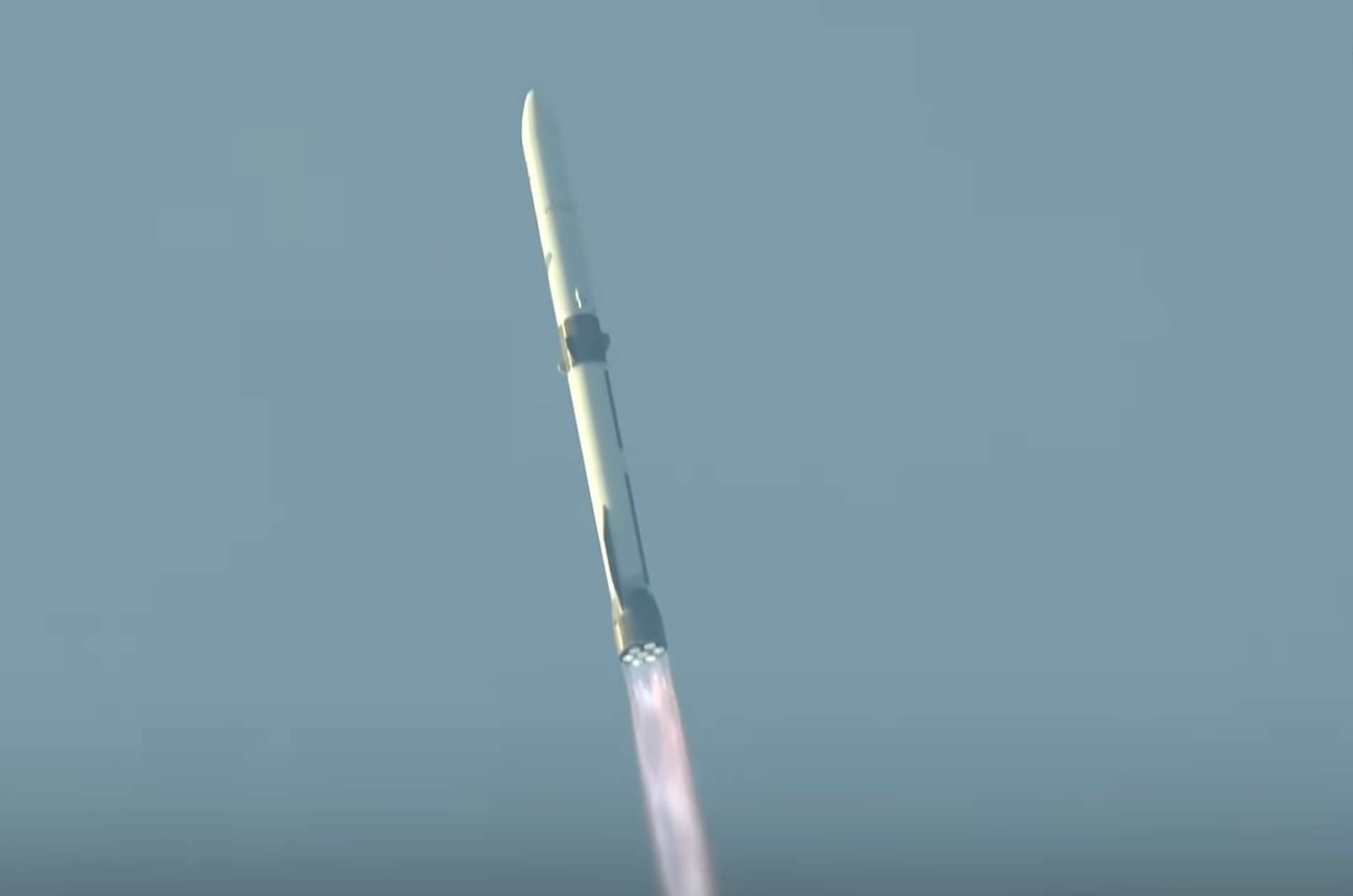
Image: TechCrunch
Blue Origin has successfully flown its New Glenn rocket for the second time, marking a major milestone for its heavy-lift launch vehicle amid stiff competition with SpaceX.
The achievement came on Sunday, just over a year after New Glenn’s debut flight following more than a decade of development.
Reusable rockets are critical to lowering launch costs. SpaceX dramatically cut expenses and captured the orbital launch market by routinely reusing first-stage boosters on its Falcon 9 rockets.
Blue Origin’s New Glenn has already delivered commercial payloads to orbit; Sunday’s mission was its second flight and reuse of the booster. The company plans to use New Glenn for NASA’s upcoming lunar missions and to launch satellite constellations in partnership with Amazon. Additionally, Blue Origin is preparing to launch its first robotic lunar lander later this year.

Recommended reading
China launches its first orbital computing satellite group
The booster reused for Sunday’s flight previously launched in November, when New Glenn carried two NASA robotic spacecraft bound for Mars. The first stage successfully landed on an ocean drone ship during that mission. This time, about 10 minutes after liftoff, the booster returned safely to a remote autonomous ship at sea.
The mission’s primary goal was to deploy a communications satellite for AST SpaceMobile. At the time of reporting, New Glenn’s upper stage was still maneuvering the satellite into its planned orbit.
While Blue Origin’s reusable heavy rocket program still trails SpaceX in launch cadence and commercial market share, the New Glenn’s reflown mission signals ongoing progress toward more cost-effective space access. The coming year will be pivotal for Blue Origin as it aims to expand New Glenn’s role beyond commercial orbit into lunar exploration and satellite internet infrastructure-areas where it hopes to compete directly with industry leaders.

Frontier Editor
Dan is our resident futurist, covering electric mobility, space exploration, and the smart home. He's interested in atoms just as much as bits. Whether it's a new battery chemistry, a reusable rocket, or a protocol that finally makes IoT devices talk to each other, Dan breaks down the engineering that pushes humanity forward.
via TechCrunch