• 3 min read
Apple’s Mac roadmap runs from M6 to OLED
Apple’s Mac roadmap points to M6 and OLED updates from late 2026, while memory shortages could delay the Mac mini and Mac Studio.
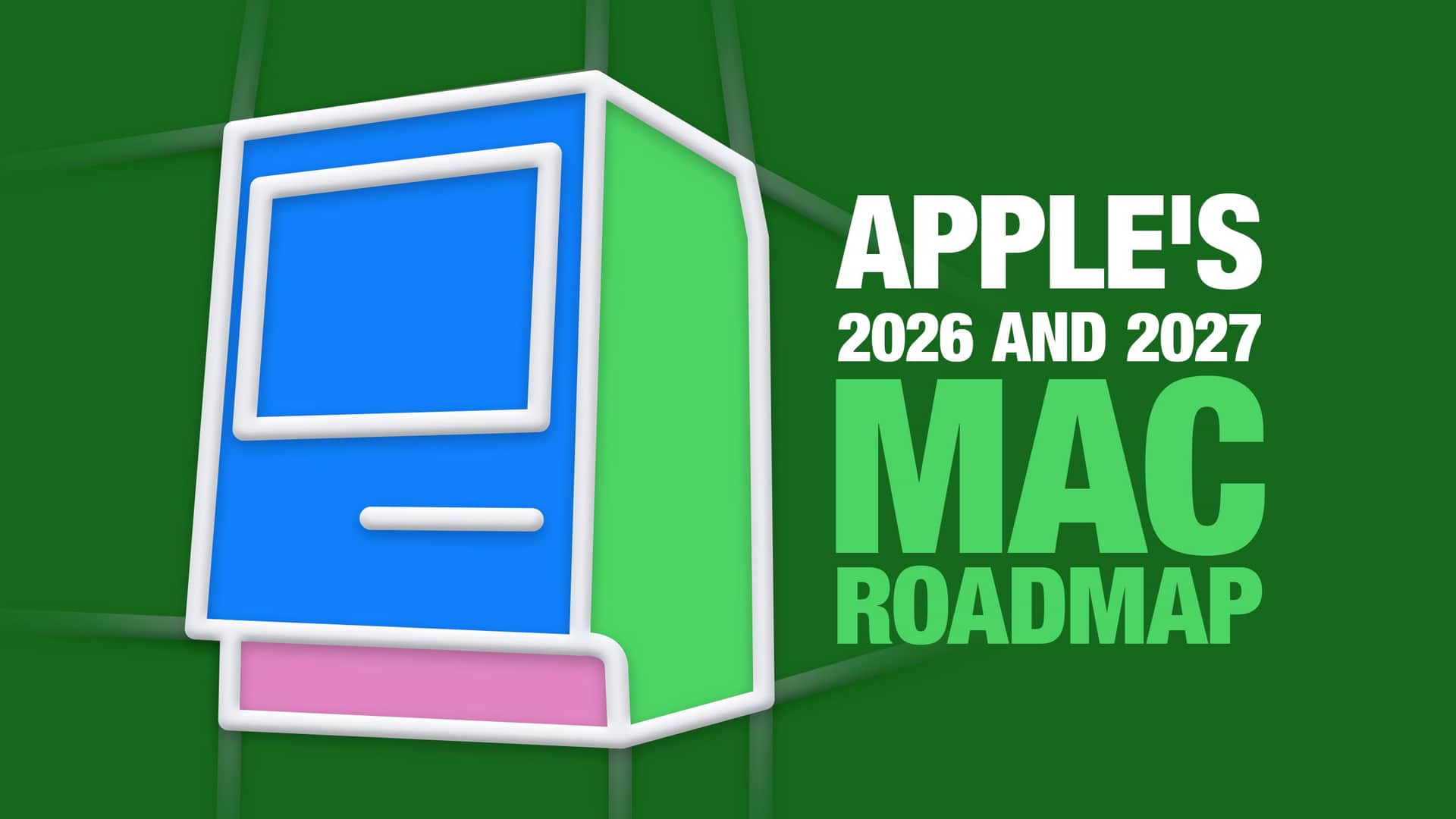
Image: MacRumors
A global memory-chip shortage is reshaping Apple’s Mac plans, with some models potentially delayed as prices rise. At the same time, demand for machines such as the Mac mini and Mac Studio is increasing for on-device AI agent use.
Apple has already launched the MacBook Neo and refreshed the MacBook Air and MacBook Pro with M5-series chips. Several more updates are expected between late 2026 and 2028, according to the roadmap reported by MacRumors.
Mac launches expected in late 2026
- 14-inch MacBook Pro: The entry-level model is expected to receive an M6 chip and could be one of the first Macs built with Apple’s 2-nanometer chip technology.
- 24-inch iMac: The iMac is expected to get the M6 chip, but no design or display changes are planned. It should retain the appearance of the current model from 2024.
- OLED MacBook Pro: A redesigned MacBook Pro—or possibly a “MacBook Ultra”—with an OLED touchscreen could arrive in late 2026 or early 2027. The higher-end 14-inch and 16-inch models are expected to use M5 Pro and M5 Max chips because Apple is not planning to release M6 Pro or M6 Max.
- Mac Studio: A refreshed model with M5 Max and M5 Ultra chips is in development, but its timing remains unclear because of RAM shortages and higher memory costs.
- Mac mini: Apple is developing M5 Pro and M6 Mac mini models. They could arrive in 2026, early 2027, or later in 2027, depending on component availability.
Apple’s 2027 and 2028 Mac plans
The 13-inch and 15-inch MacBook Air are planned for early 2027 and will likely use the M6 chip. Apple could also update the entry-level 14-inch MacBook Pro with an M7 chip as soon as early 2027. It is not expected to receive an OLED display, but it should get the same design overhaul as the higher-end models.
A faster A19 Pro chip, more memory, and potentially new colors are planned for a future MacBook Neo, although Apple has not provided a specific release window.
A second-generation OLED MacBook Pro is expected around a year after the first model, potentially between late 2027 and early 2028. Those systems are expected to use M7 Pro and M7 Max chips designed for AI workloads.
Recommended reading
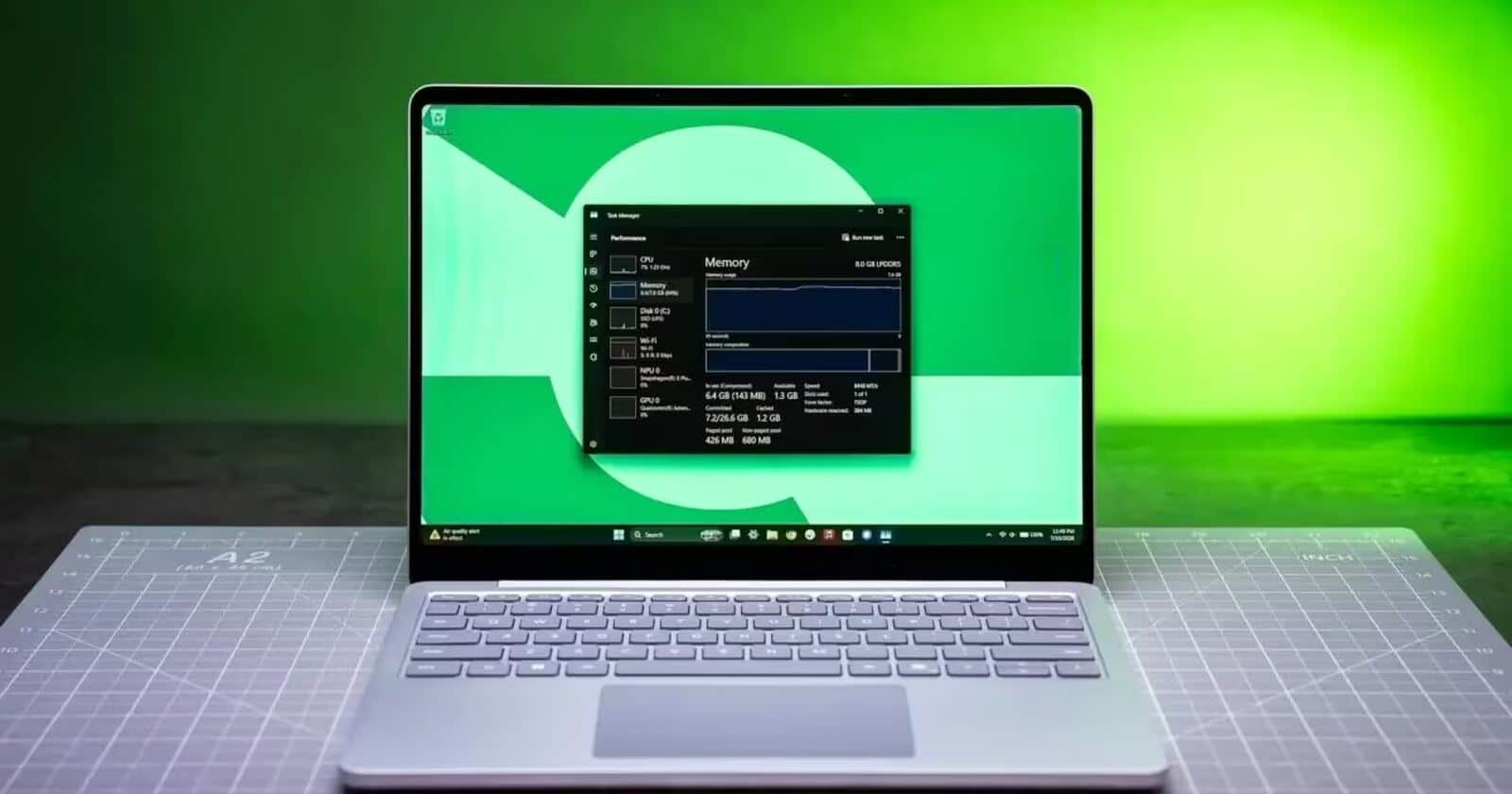
Surface Laptop’s 8GB RAM struggles at $950
Apple is also working on an OLED MacBook Air, though 2028 is the earliest possible release and the schedule could slip. An OLED iMac is in development as well, possibly arriving around the same time.
Chip schedule and buying advice
According to Bloomberg, Apple is accelerating development of its M7 chips for AI workloads and skipping some M6 variants. The rough release schedule is:
- M5 Ultra: Late 2026
- M6: Late 2026
- M7: First half of 2027
- M7 Pro: End of 2027
- M7 Max: End of 2027
- M7 Ultra: 2028
Global memory shortages already prompted Apple to make major changes to Mac and iPad pricing in June. The company also discontinued some Mac mini and Mac Studio configurations with higher RAM options, and limited memory availability could continue shifting launch dates.
Buyers considering a MacBook Pro or iMac may want to wait for the refreshes expected as soon as late 2026. The two-year-old iMac is an especially poor value after its recent price increase. The entry-level MacBook Pro is also worth postponing until its M6 update.
The OLED MacBook Pro models are likely to cost more, so buyers who do not need the new display technology can still consider current models. Mac mini and Mac Studio shipping times are already extended, while the MacBook Neo and MacBook Air are not expected to receive their next major updates until 2027.
Computing Editor
Tomas lives in the terminal. He covers chips, laptops, and operating systems with a focus on performance and efficiency. He reads kernel changelogs the way other people read fiction, and he's always on the hunt for the perfect mechanical keyboard switch. If it processes data, Tomas has an opinion on it.
via MacRumors