

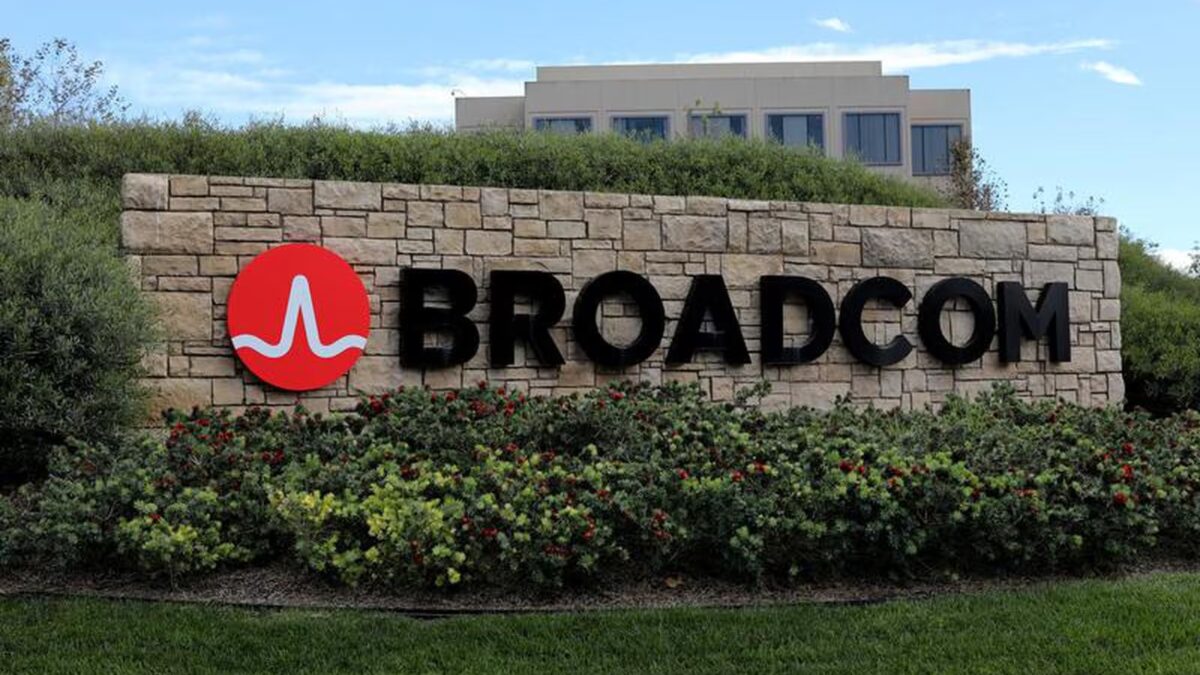
Apple has sealed a multi-year, $30 billion deal with Broadcom to manufacture over 15 billion chips and wireless components in the United States. Central to the agreement is Broadcom’s factory in Fort Collins, Colorado, which will supply critical parts for Apple’s iPhone, iPad, and Mac lineup. This move is more than a procurement win-it is Apple’s strategic step toward reducing reliance on overseas supply chains.
To support the ramp-up, Broadcom is investing $1.5 billion to expand and modernize its Colorado facility. The plan focuses on producing radio-frequency components, including FBAR filters, while advancing wireless technology development. Apple highlights how these parts directly enhance signal quality, energy efficiency, and connection stability in its devices.
Apple CEO Tim Cook emphasized that the partnership aims to accelerate manufacturing growth and engineering expertise in the US. Broadcom has long been one of Apple’s top suppliers, providing radio-frequency modules, Wi-Fi and Bluetooth chips, and other networking semiconductors. Analysts at Counterpoint Research and Bloomberg Intelligence note that Broadcom remains heavily dependent on Apple’s orders, even as Apple diversifies its critical components across multiple American and Asian partners.
This agreement fits into Apple’s broader $500 billion pledge to invest in the US economy over four years, starting in 2025, across infrastructure, R&D, and manufacturing. The Broadcom contract aligns with that ambition, alongside TSMC’s new chip plant in Arizona and Apple’s push to localize the supply chain for strategic components closer to its home market.
For Broadcom, the deal cements its role as a key US-based manufacturing partner for Apple. For Apple, it is about more than the price tag-the global semiconductor market is forecast by Gartner to exceed $700 billion by 2026. Securing domestic production capacity is as important as upgrading features in the next iPhone.
