• 3 min read
AI supply chain bottleneck meets a very physical one
The AI boom is colliding with something far less glamorous than model training runs and chatbot demos: helium, natural gas, and the narrow waterways that move them. Moody’s says the conflict involving Iran is now threate
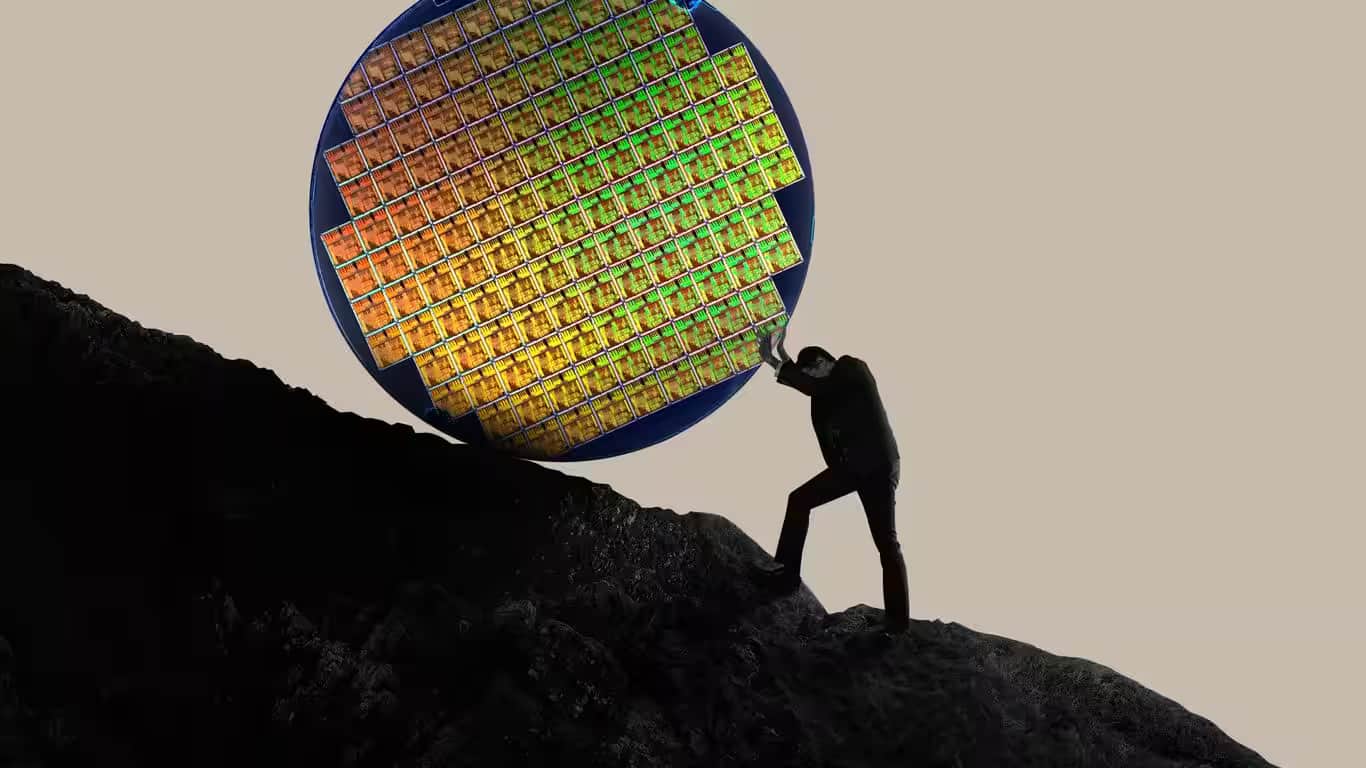
Image: axios.com
The AI boom is colliding with something far less glamorous than model training runs and chatbot demos: helium, natural gas, and the narrow waterways that move them. Moody’s says the conflict involving Iran is now threatening the industrial inputs behind chipmaking and data centers, turning the AI supply chain bottleneck into the latest casualty of a supply chain that looked sturdy right up until it wasn’t.
That is a neat reminder that “software eats the world” still needs a very unsexy support crew. If the fuel, gases, and shipping routes wobble, the GPU party slows down no matter how many billions hyperscalers throw at it.
Helium has become a chipmaking headache
Moody’s flagged a shortage of helium, which matters because the gas is critical in semiconductor production. The problem got sharper after attacks last month on Qatar’s Ras Laffan complex, which supplies about 30% of the world’s helium. One major supplier has already said it can no longer fulfill its contracts, and even a reopening of the strait would not instantly restore production.
That turnaround is especially awkward because the helium market was in surplus as recently as last year, with supply ahead of demand and prices falling. Now the price signal has flipped hard, which is exactly what happens when a commodity everyone ignores suddenly becomes strategic.
- Helium is a key input for chip production.
- Qatar’s Ras Laffan complex supplies about 30% of the world’s helium.
- Spot prices have moved sharply higher after the disruption.
The Strait of Hormuz is now part of the AI story
The bigger bottleneck is energy. AI data centers run on electricity, and electricity still leans heavily on natural gas. Roughly 20% of global liquefied natural gas moves through the Strait of Hormuz, so any closure there is not just a regional drama; it is a global input shock for the companies trying to build more compute as fast as possible.

Recommended reading
Enigma raises $70M to rethink robot control
President Trump extended the ceasefire with Iran earlier this week, but uncertainty has not exactly vanished. Iran’s lead negotiator, Mohammad Bagher Ghalibaf, posted that reopening the strait is impossible after what he called a breach of the ceasefire. Markets love clarity; geopolitics, less so.
Chipflation is getting a demand boost
There is another layer here that has nothing to do with war and everything to do with the scale of the AI buildout itself. BlackRock says spending on data centers and defense is creating demand pressure in the chip supply chain that looks different from the early 2020s shortages: this time, prices are rising because buyers are ravenous, not just because supply is broken.
BlackRock portfolio managers Simon Wan and Tom Becker say prices for these components have risen 17-fold over the past year. That is not a gentle cycle; that is a warning label. The old story was temporary disruption followed by normalization. The new one looks more like a permanent tug-of-war between industrial demand and fragile physical infrastructure.
The uncomfortable question is whether AI’s spending spree is running ahead of the real economy that has to feed it. If helium, LNG shipping, and other critical inputs stay under pressure, the winners will be the suppliers with leverage and the investors who priced in scarcity early. Everyone else gets to learn that the cloud still sits on tanks, ships, and pipelines.
AI Editor
Ava covers the rapidly evolving world of artificial intelligence, from foundational models and research labs to the real-world economics of intelligence. With a background in computational linguistics, she cuts through the hype to find out what actually works. She firmly believes that benchmarks are just marketing until reproduced in the wild.
via axios.com