

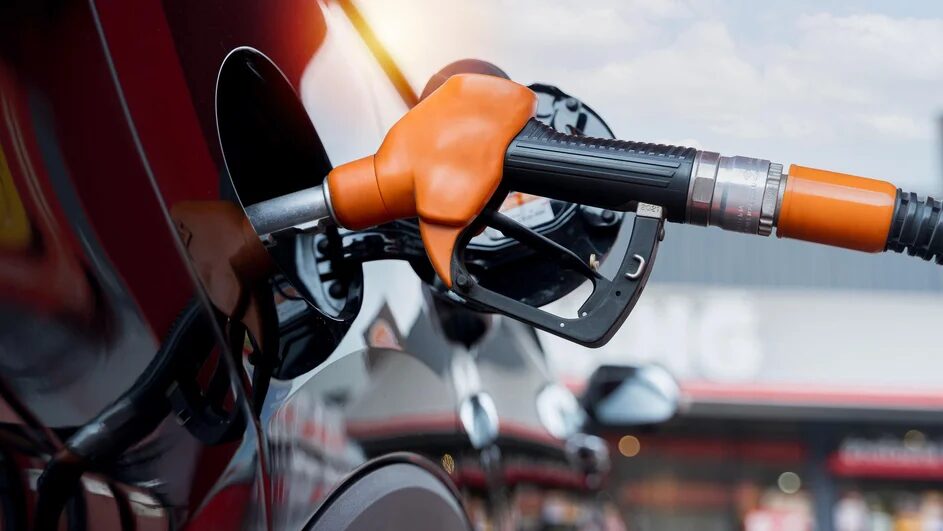
Hungary announced plans to cap retail prices for gasoline and diesel, a measure aimed at shielding consumers and certain industries from surging fuel costs. Prime Minister Viktor Orbán revealed that starting March 10, maximum prices will be imposed at 595 forints (about 136 rubles) per liter of gasoline and 615 forints (around 141 rubles) per liter of diesel. These limits will apply primarily to vehicles registered in Hungary, including farmers, businesses, and freight carriers.
The government intends to support the price ceilings by tapping into state strategic fuel reserves to ensure supply stability. The move reflects concerns over inflationary pressures and the impact of global energy market turbulence, driven in part by geopolitical conflicts, including the ongoing crisis in the Middle East. Earlier, Hungary’s Foreign Minister Péter Szijjártó urged the European Union to reconsider sanctions on Russian energy imports, linking current price volatility to such restrictions.

Price controls on fuel are an increasingly rare tool in the European Union, where energy costs have fluctuated wildly due to supply chain constraints and sanctions related to the Ukraine conflict. Hungary’s approach is reminiscent of earlier pandemic-era price caps but comes amid fresh stresses from global instability.
It remains unclear how retail networks and suppliers will respond to the imposed ceilings, as price limits often risk reduced availability or black-market activity. By linking the caps exclusively to vehicles with Hungarian registration, the government limits cross-border arbitrage but could create tensions with neighboring countries experiencing different pricing trends.
The emphasis on farmers and freight operators signals a focus on protecting vital domestic sectors from cost shocks that could ripple throughout the economy.