

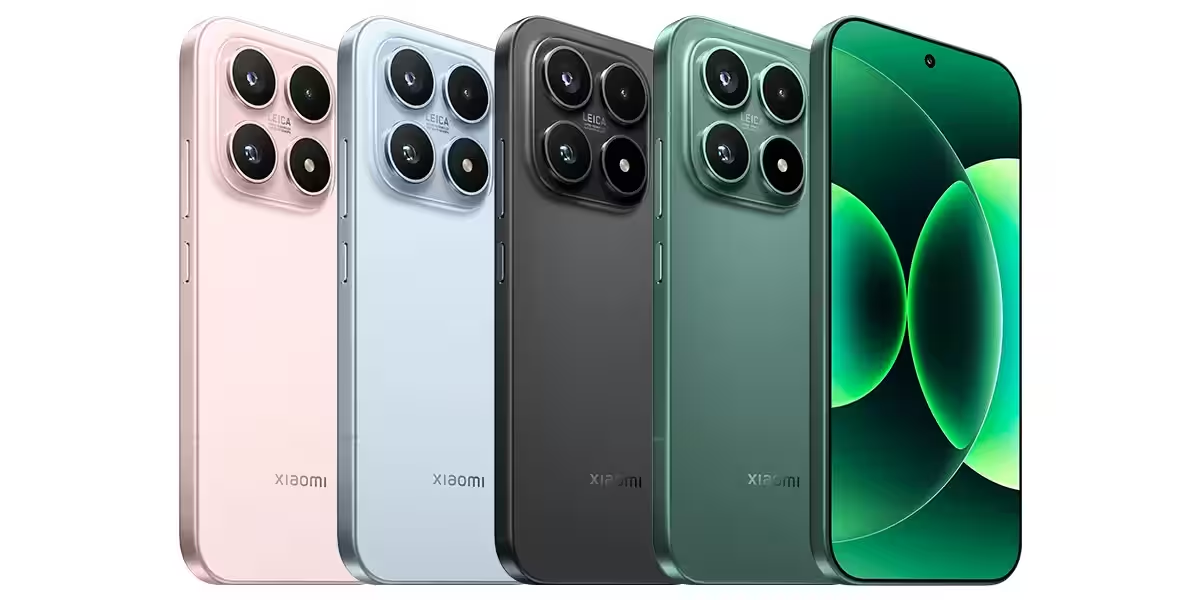
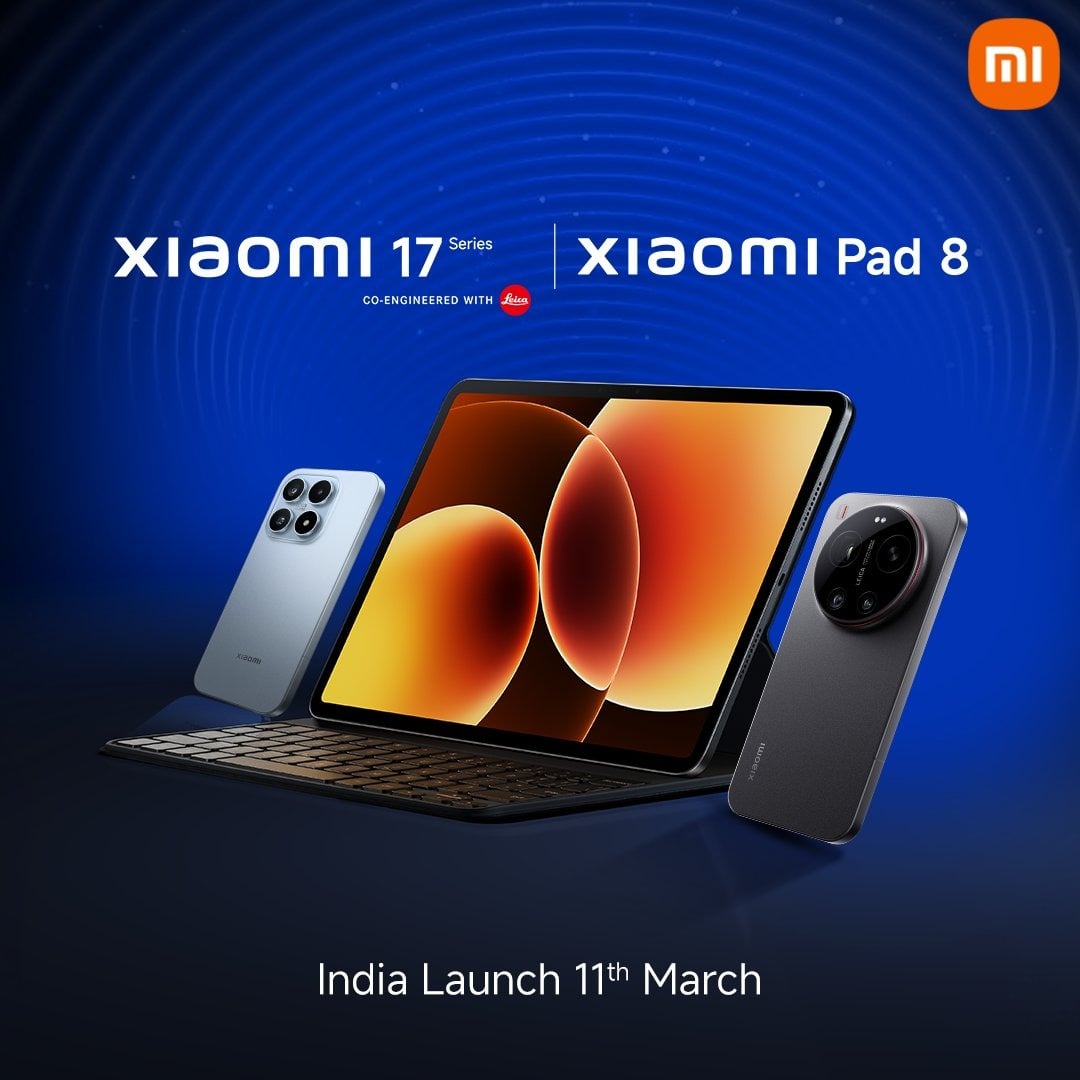
Xiaomi is bringing its latest flagship smartphones and tablets to India on March 11, a move that consolidates its high-end offerings in one go rather than scattered releases. The rollout will include the Xiaomi 17 and 17 Ultra models-minus the Leica Edition variant available globally-and the Pad 8 tablets, a noteworthy combo for the Indian market.
The launch delay pushes back the India debut from the global unveiling at MWC 2026, where European prices were announced. Xiaomi India and Amazon India now list the March 11 date, signaling that the company is syncing tablet and flagship phone launches, presumably to maximize market buzz and streamline marketing efforts.
One detail fans should note: the Indian Xiaomi 17 Ultra will come with a smaller 6,000mAh battery than the 6,800mAh units found in China. This is a small but telling difference that highlights how Xiaomi tweaks hardware for different regions, possibly to balance cost, supply chain, or even regulatory considerations. The standard 17 model also packs a 6,000mAh battery. Charging tech hasn’t been skimmed-expect a hefty 90W wired HyperCharge and 50W wireless HyperCharge for the Ultra.
Another interesting feature aimed at enhancing usability is Xiaomi Offline Communication, allowing network-free voice calls up to 1.9 km via Bluetooth and proprietary tech. This could appeal strongly in areas with poor cellular coverage, making the device useful for communication beyond the usual constraints of mobile networks.
The Pad 8 tablets will arrive equipped with Snapdragon 8s Gen 4 chips and run Xiaomi’s HyperOS 3 based on Android 16. The large 9,200mAh battery rated for 45W fast charging promises up to two days of usage, making the Pad 8 attractive to users seeking portable but enduring tablets. India will get at least two variants: the standard model and a Matte Glass version-rebranded Soft Light in China-that targets users who prefer a less reflective screen finish.
While Xiaomi’s Indian marketing push appears confident, the competition won’t wait. Other Android brands like Samsung and OnePlus continue to push high-refresh-rate displays, faster charging, and multi-camera innovations. Xiaomi’s unique selling points here seem to be the offline communication feature and the Snapdragon 8s Gen 4 chipset in its tablet segment.
One question remains: will the smaller battery in India affect consumer perception? Battery life is often a top concern, and Xiaomi’s differing specs by market may fuel ongoing debates about device value and regional compromises.
Overall, the March 11 launch signals Xiaomi’s intent to keep its flagship momentum in a crucial and price-sensitive market, challenging rivals by blending advanced hardware with unique features. For Indian consumers, this might be the most exciting moment yet in Xiaomi’s catalogue expansion, provided these devices can strike the right balance between performance, price, and battery life.